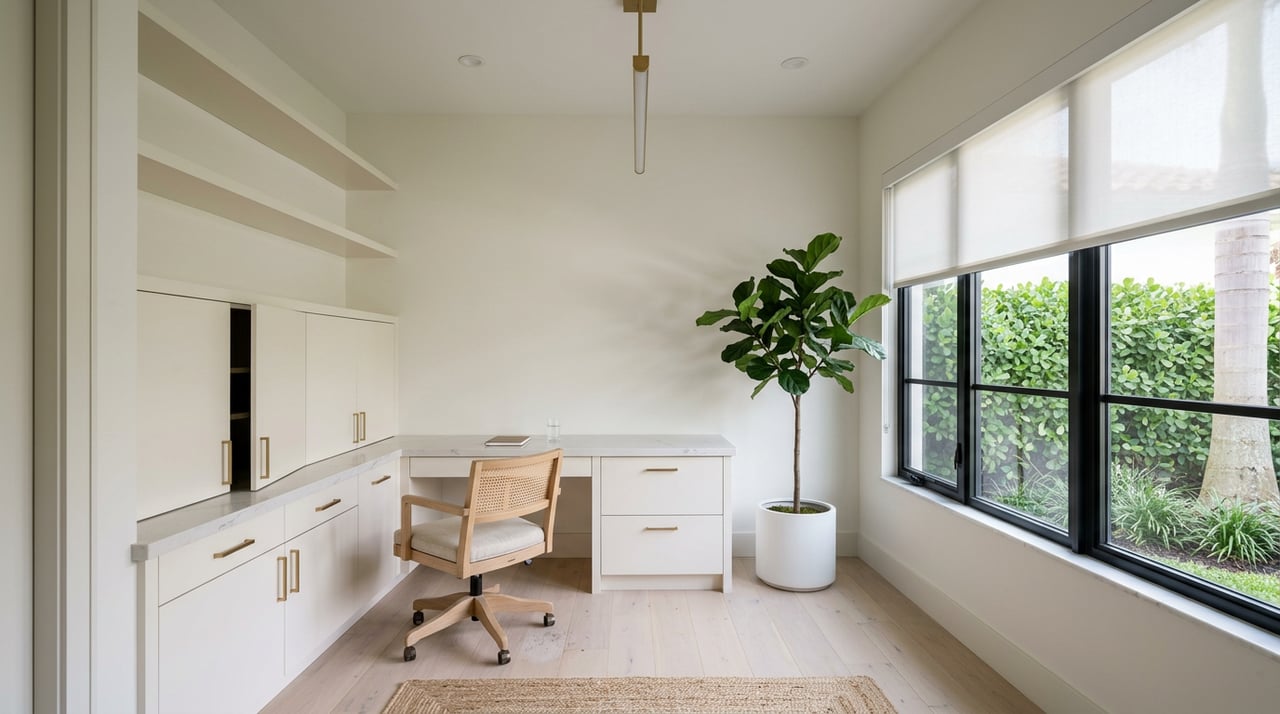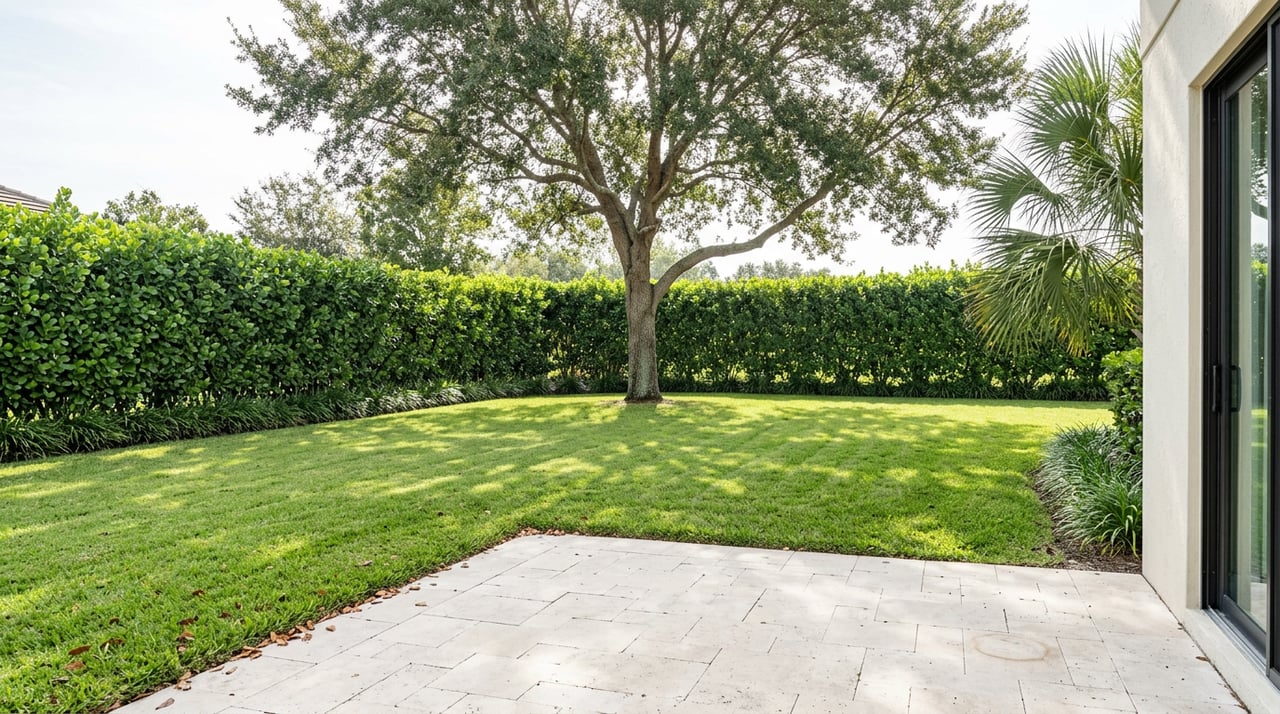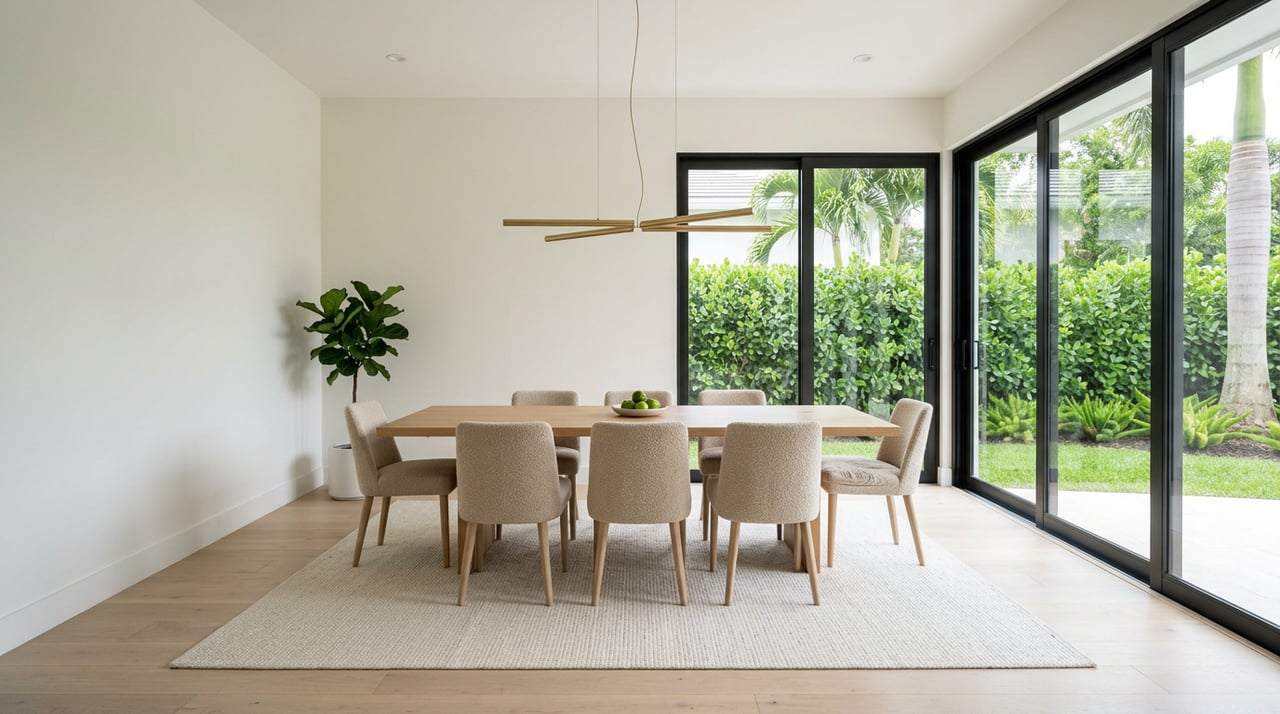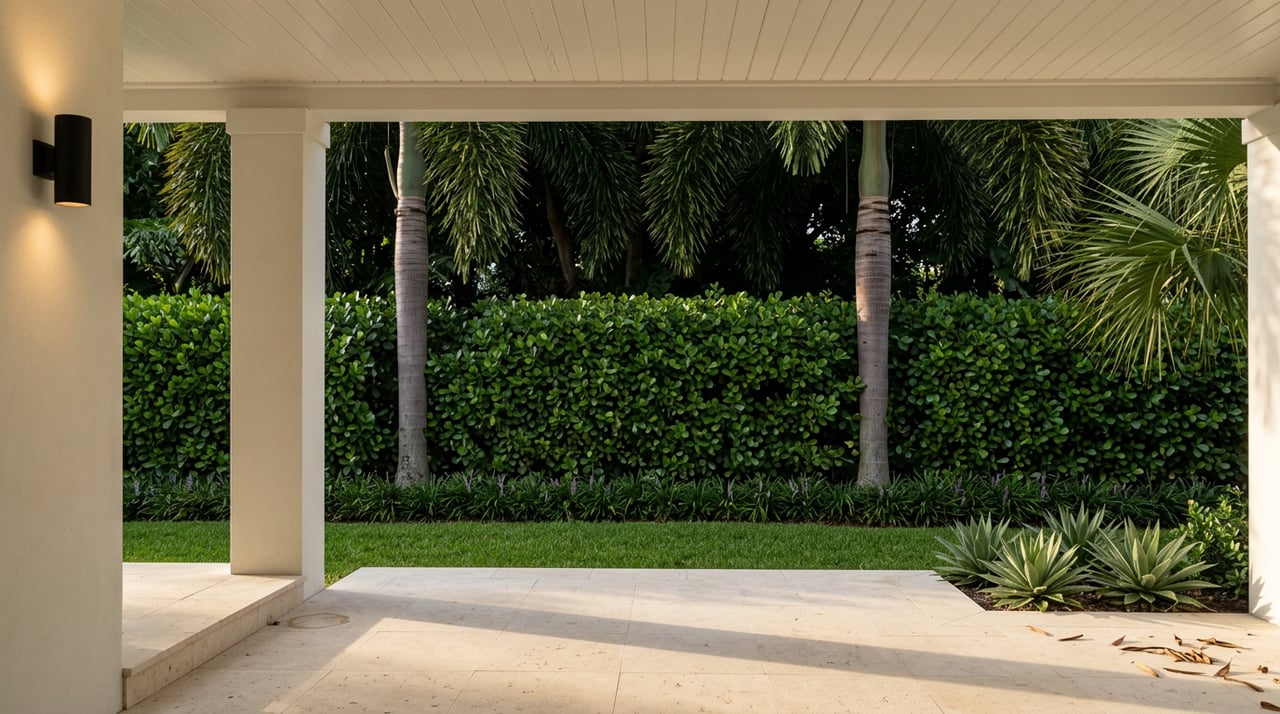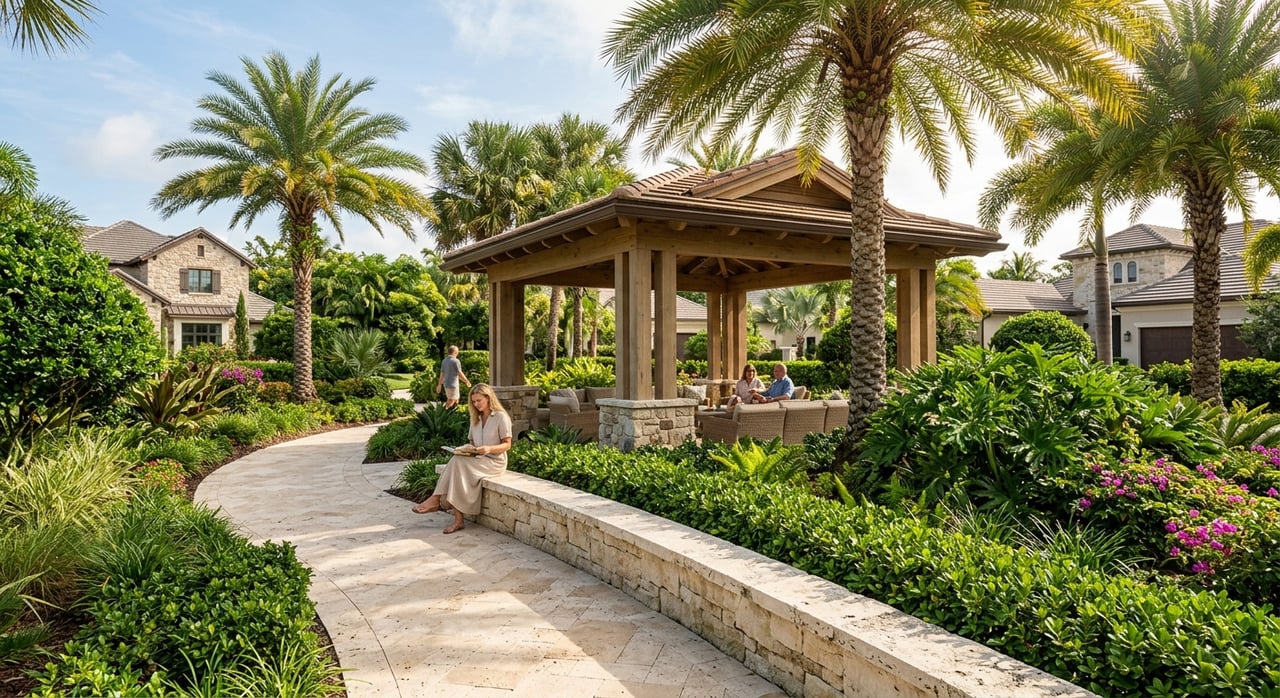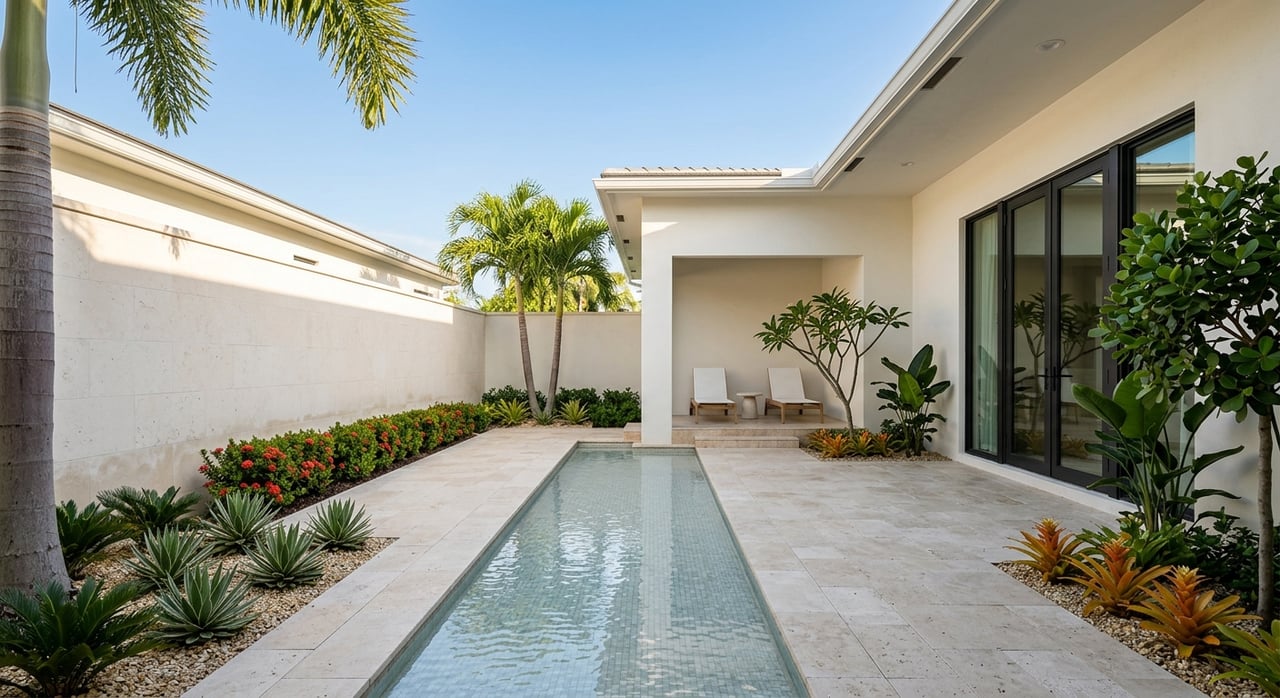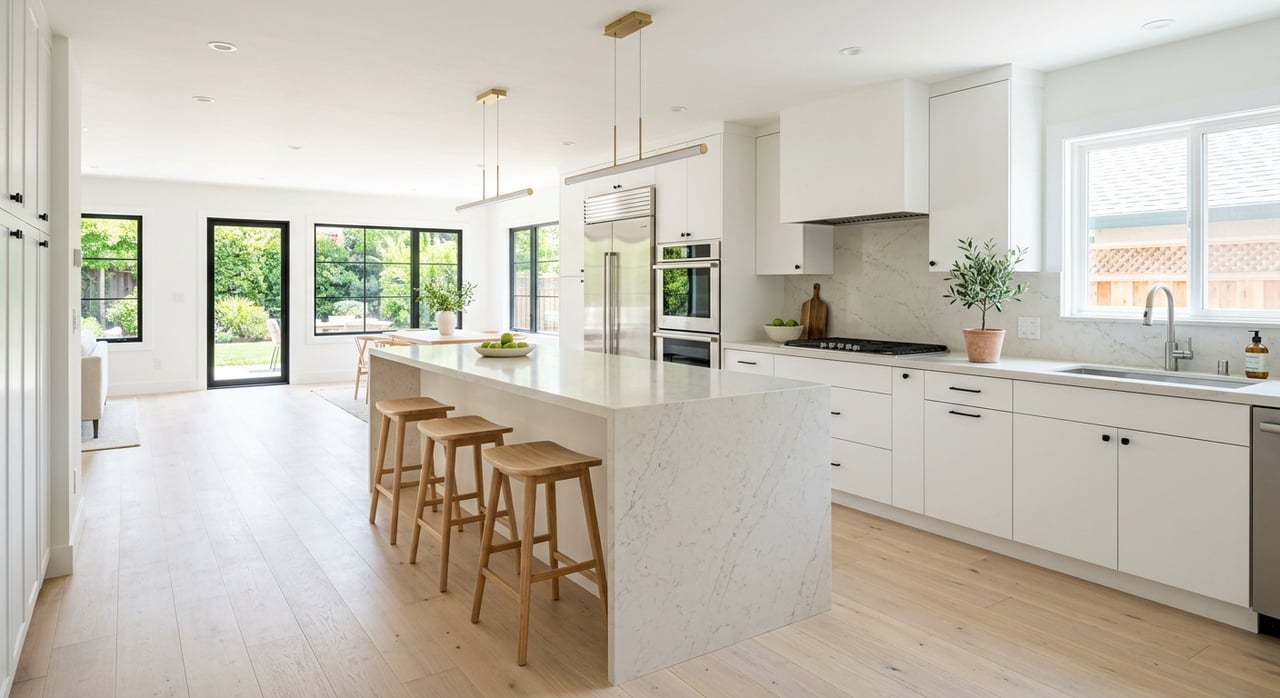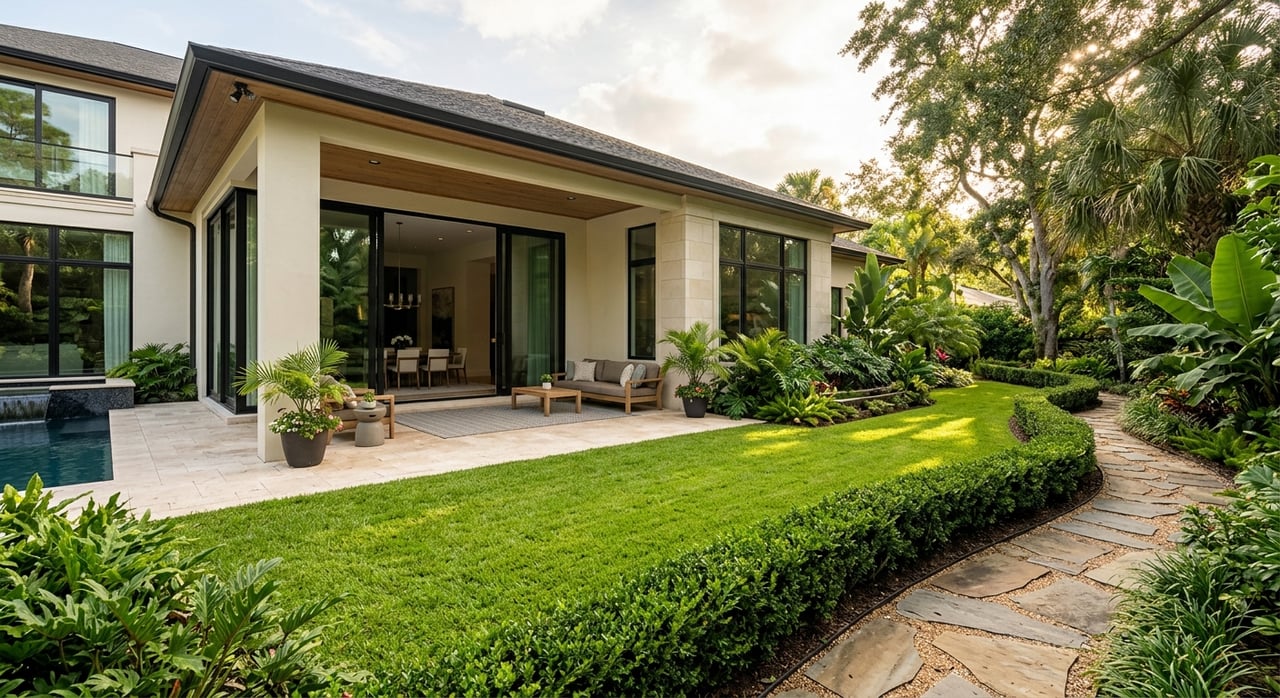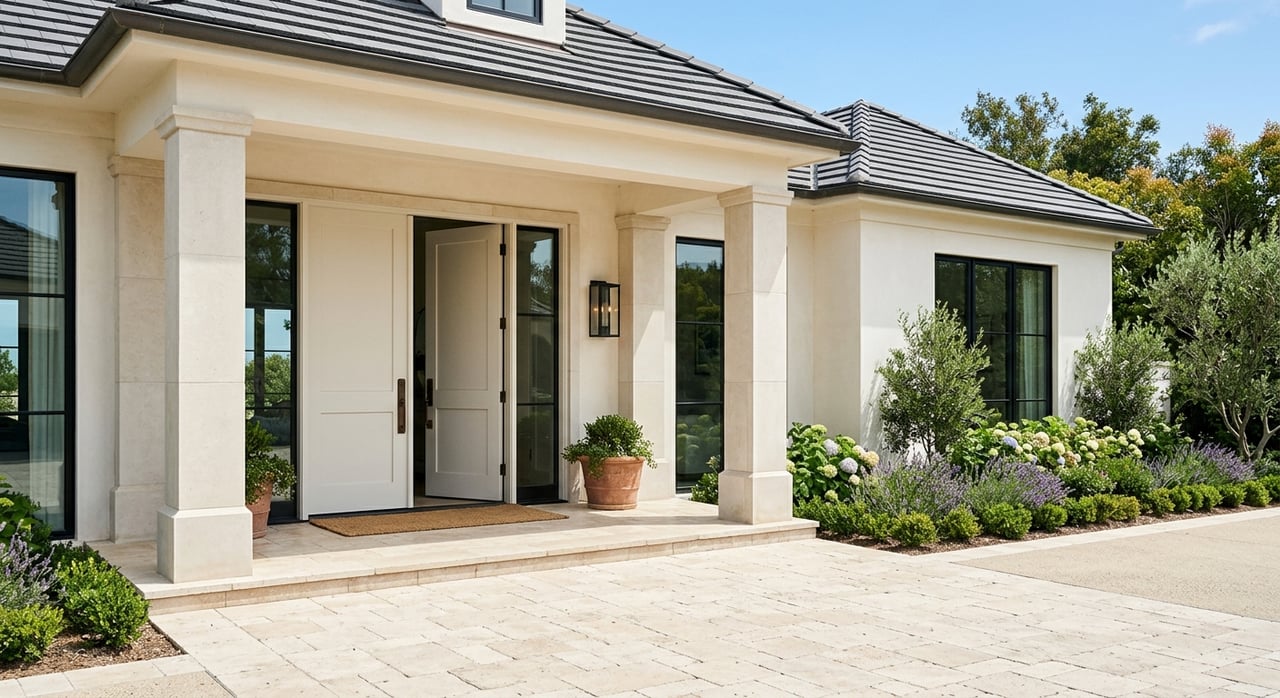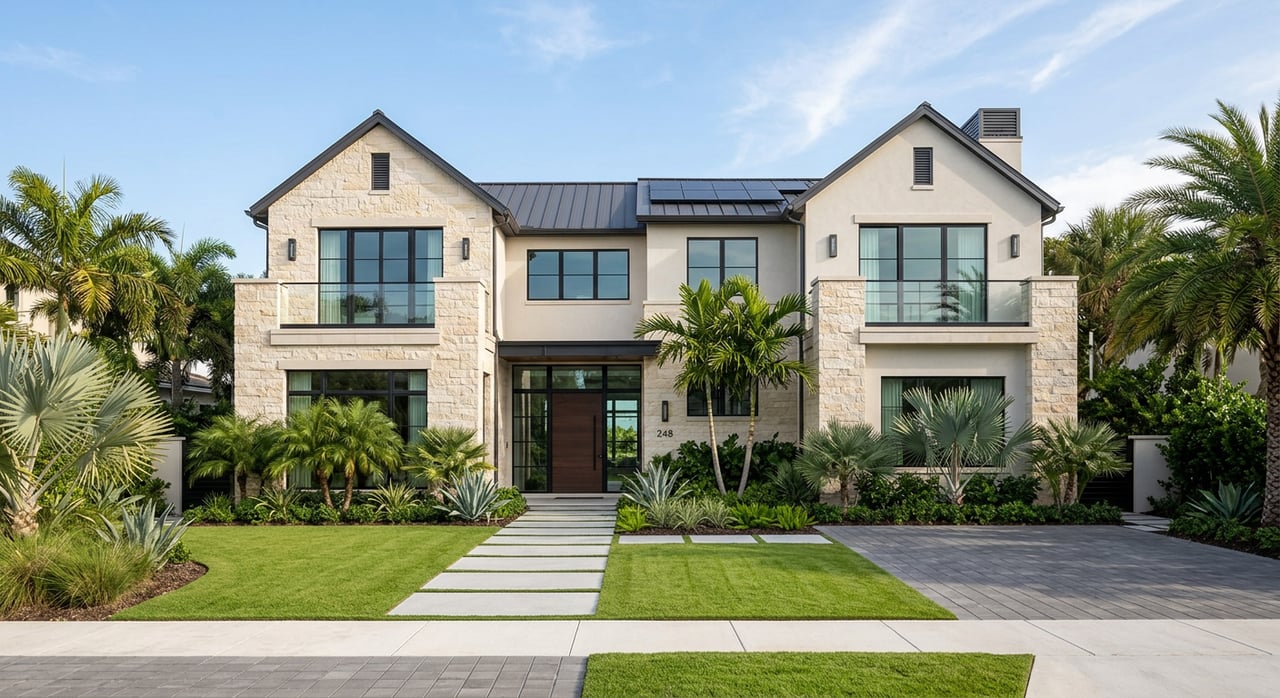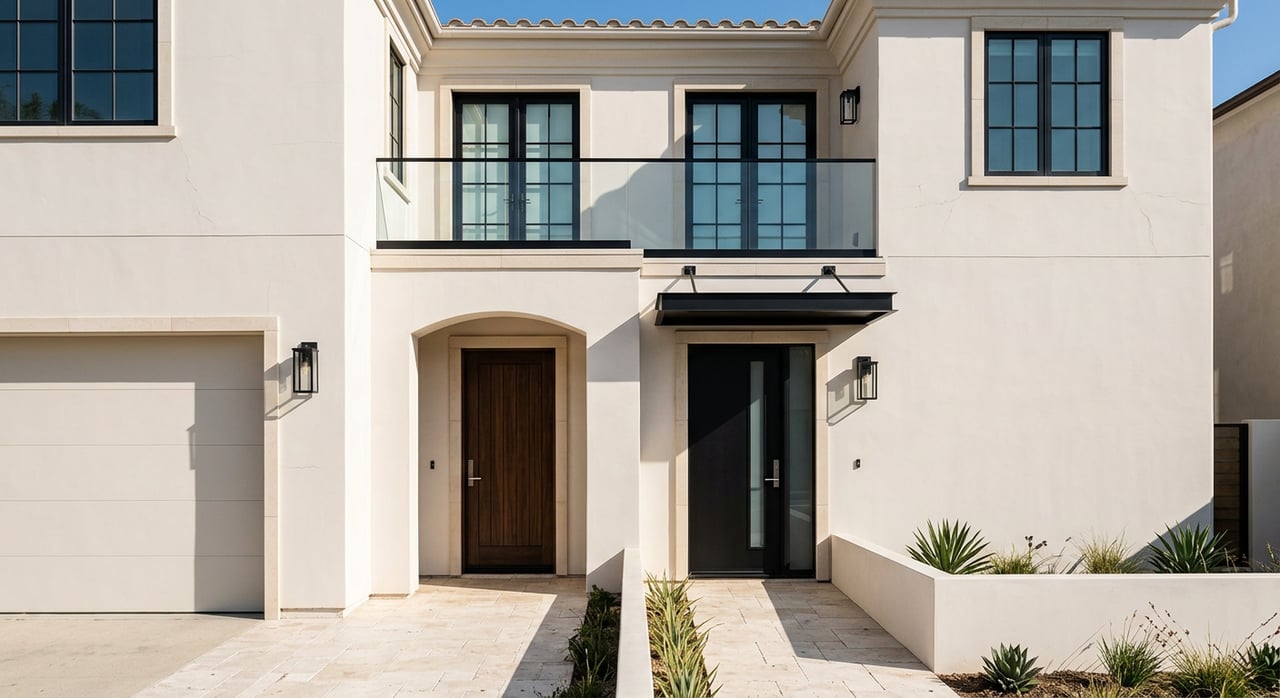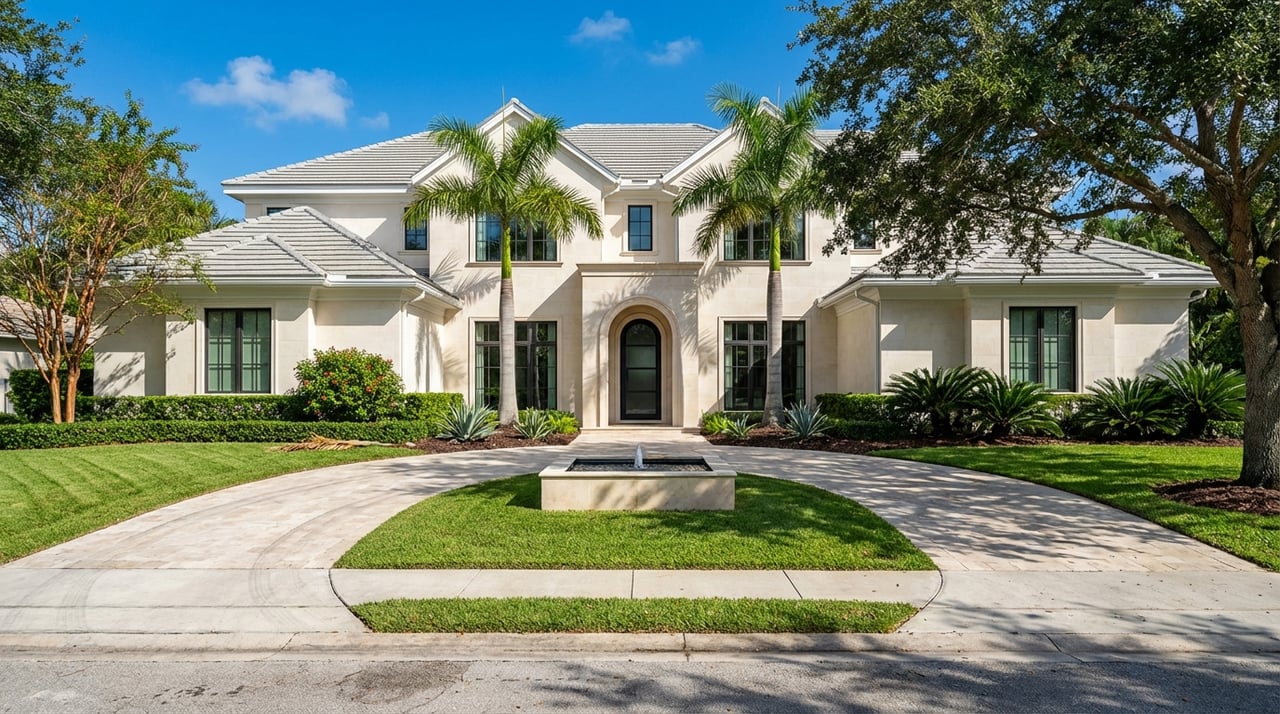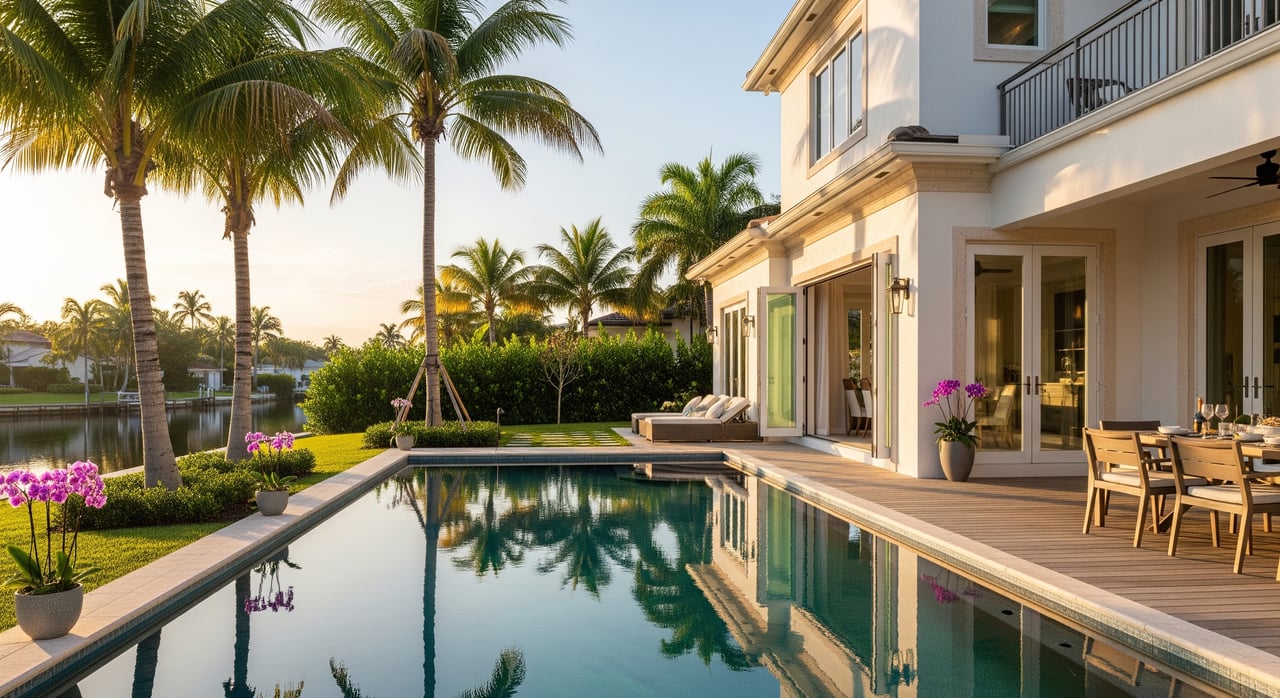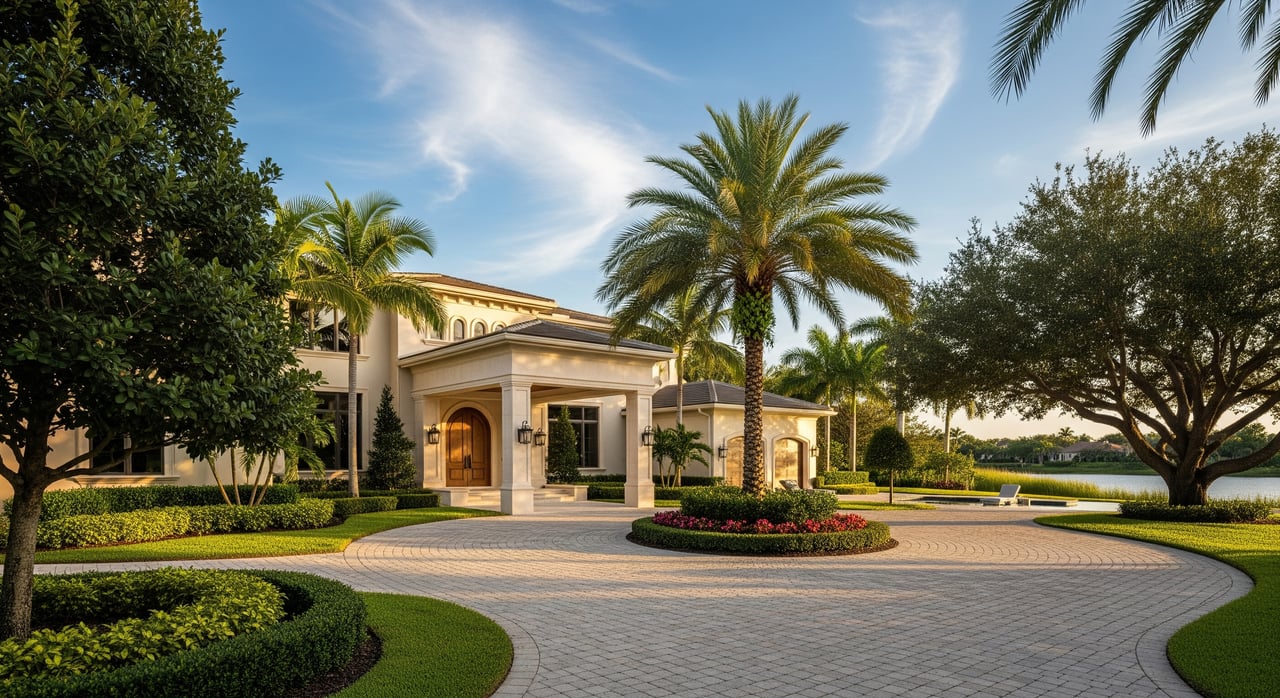
Trying to choose between a single-family home, a townhome, or a condo in Coral Springs? You are not alone. Each option offers a different balance of space, upkeep, and cost, and the age of many local homes adds another layer to the decision. In this guide, you will see how the main home styles compare, what to budget for, and the key questions to ask so you can buy with confidence.
Let’s dive in.
Coral Springs market at a glance
Coral Springs is a Broward County suburb with a strong base of owners. About 60 percent of homes are owner-occupied, which signals stability and pride of ownership across many neighborhoods. You can confirm this on the city’s profile in U.S. Census QuickFacts for Coral Springs.
For pricing context, different data sources report different numbers based on methodology. As of January 2026, the Zillow Home Value Index for Coral Springs was about $514,000, while Redfin’s reported median sold price was about $557,000 for the same month. At the county level, single-family homes in Broward showed a higher median sale price near $620,000 in January 2026, according to the Broward County market report. The takeaway is simple: always check the vendor and date when comparing figures.
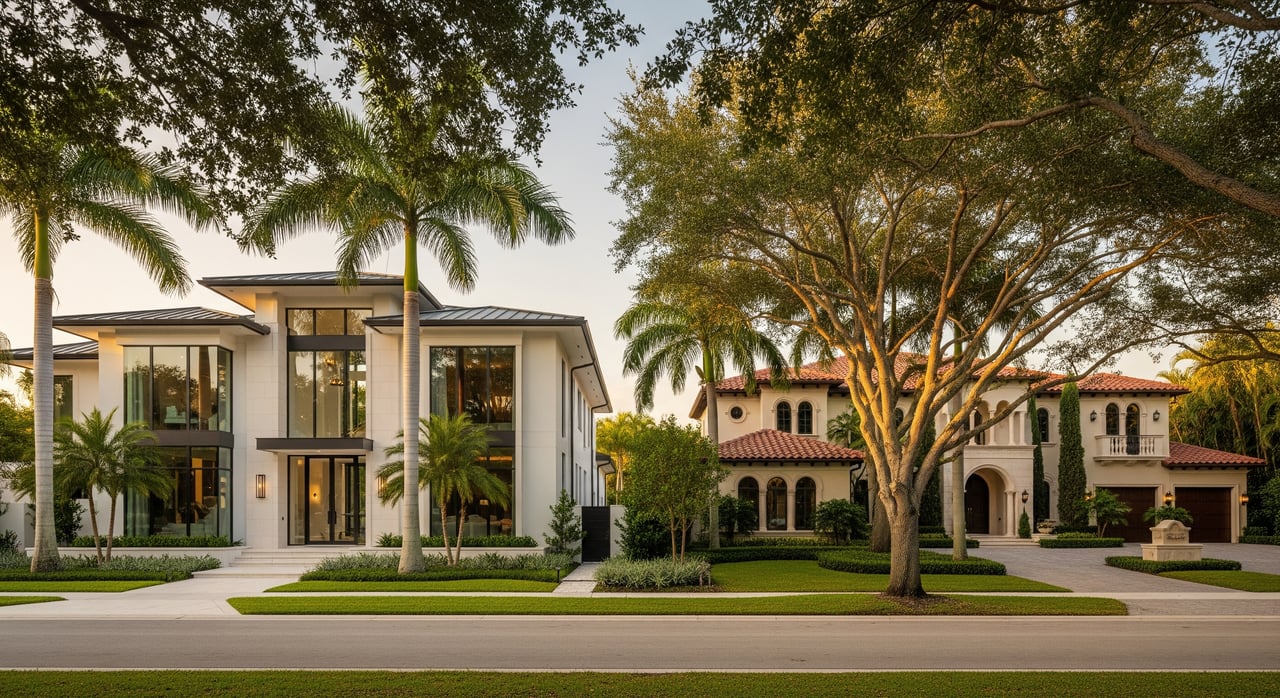
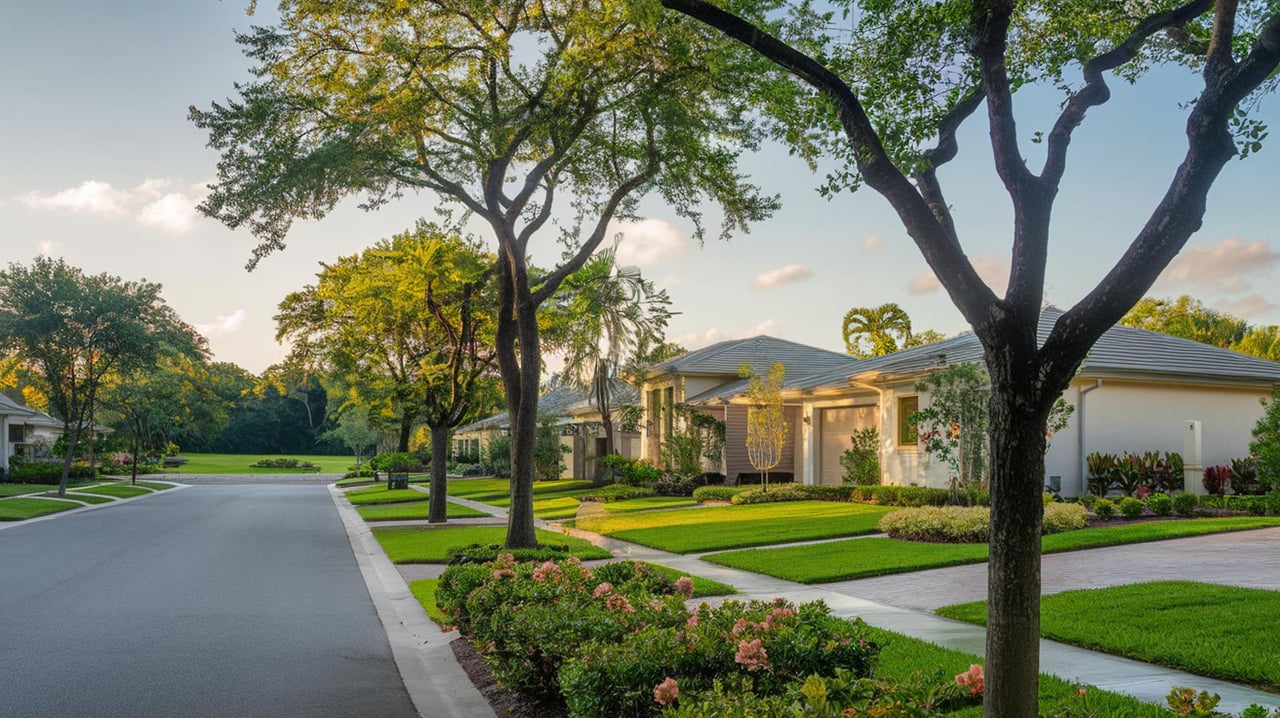
Coral Springs remains a predominantly single-family city with attached housing and condos clustered near commercial corridors and the City Center. Much of the housing stock was built from the 1970s through the 1990s, which influences common layouts, finishes, and likely maintenance needs over the next ownership cycle.
Single-family detached homes
What you will find
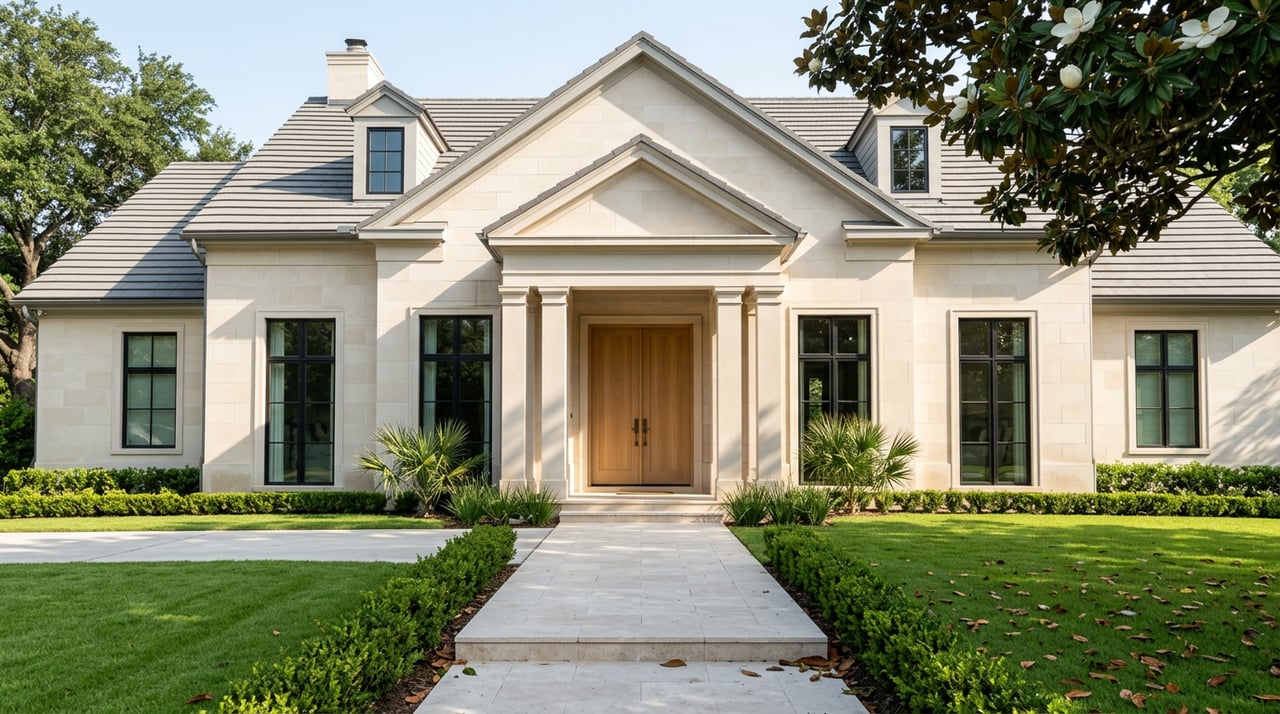
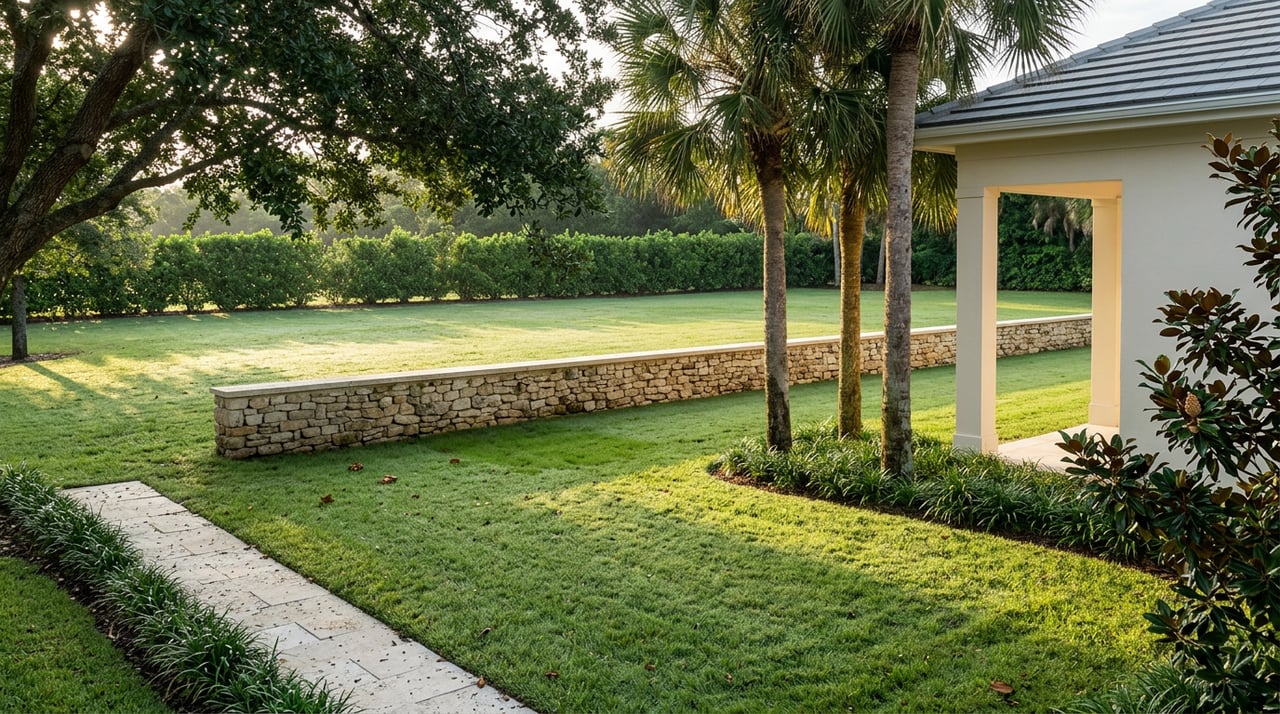
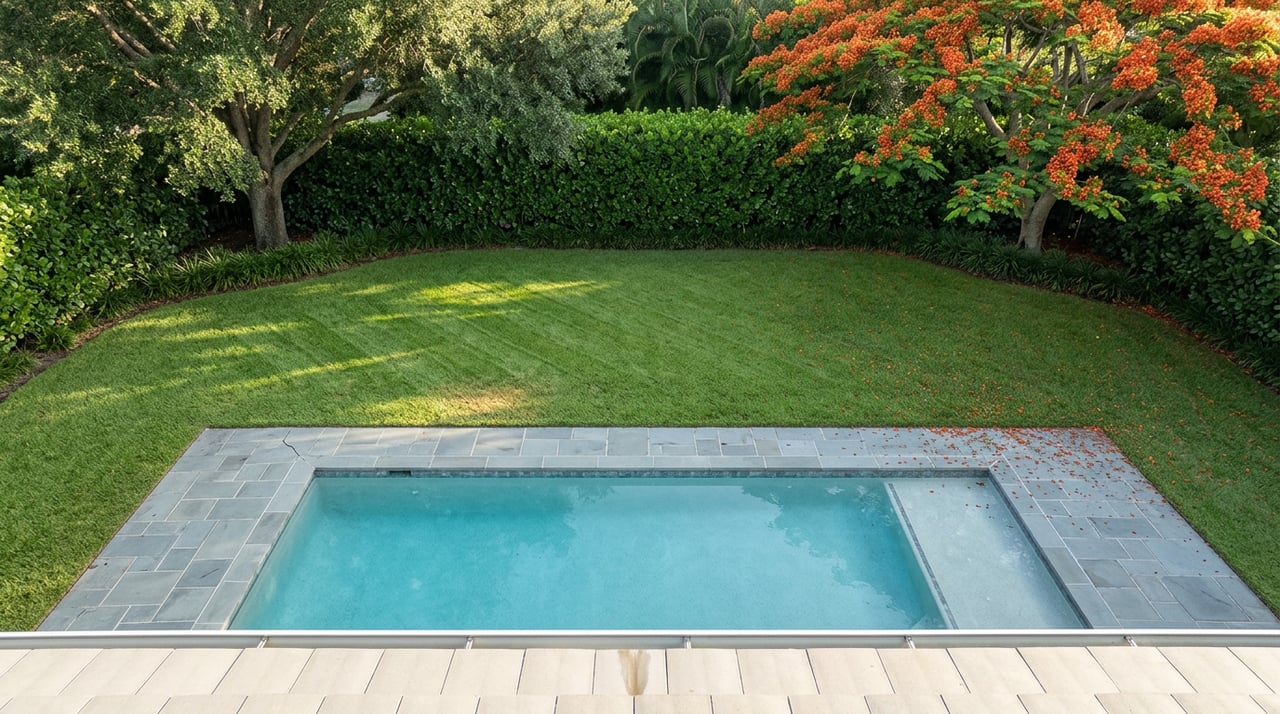
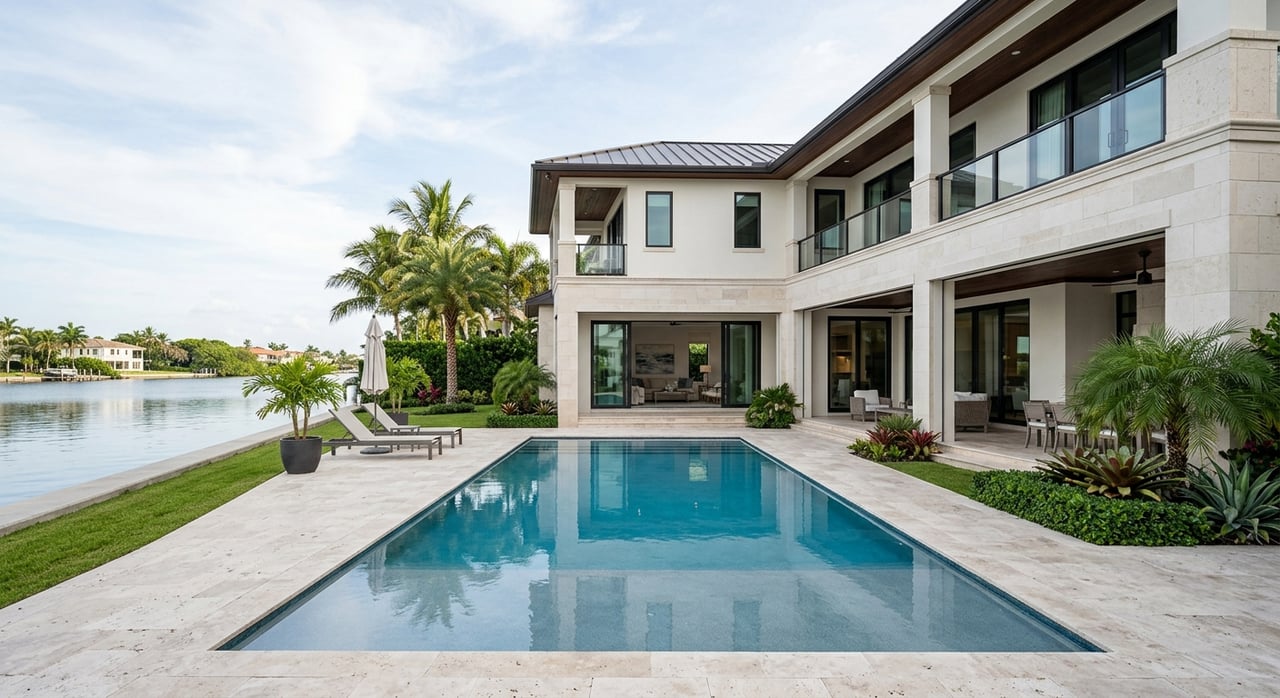
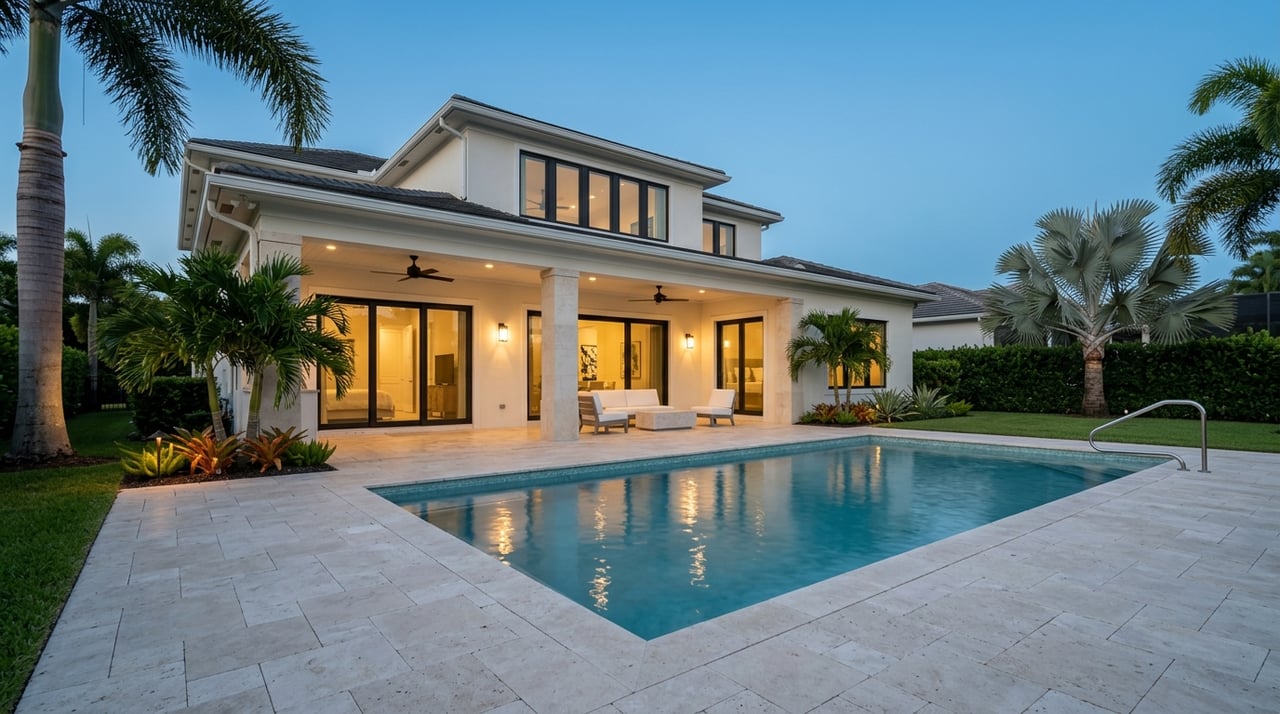
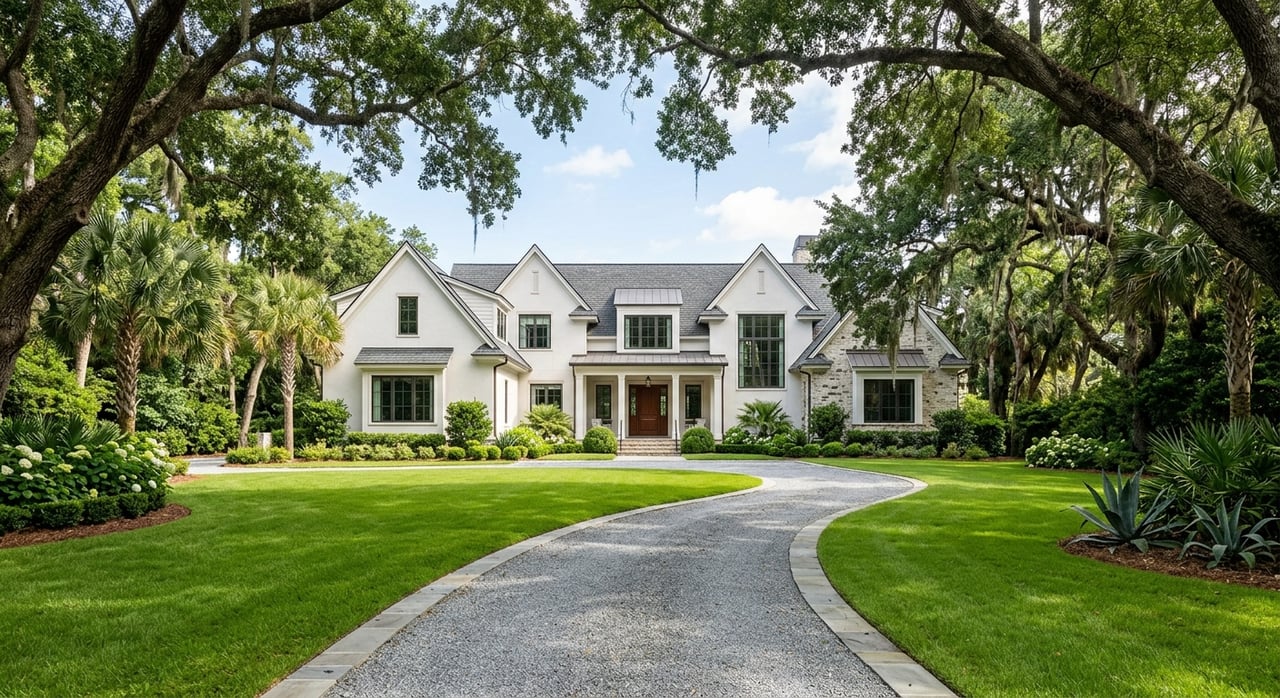
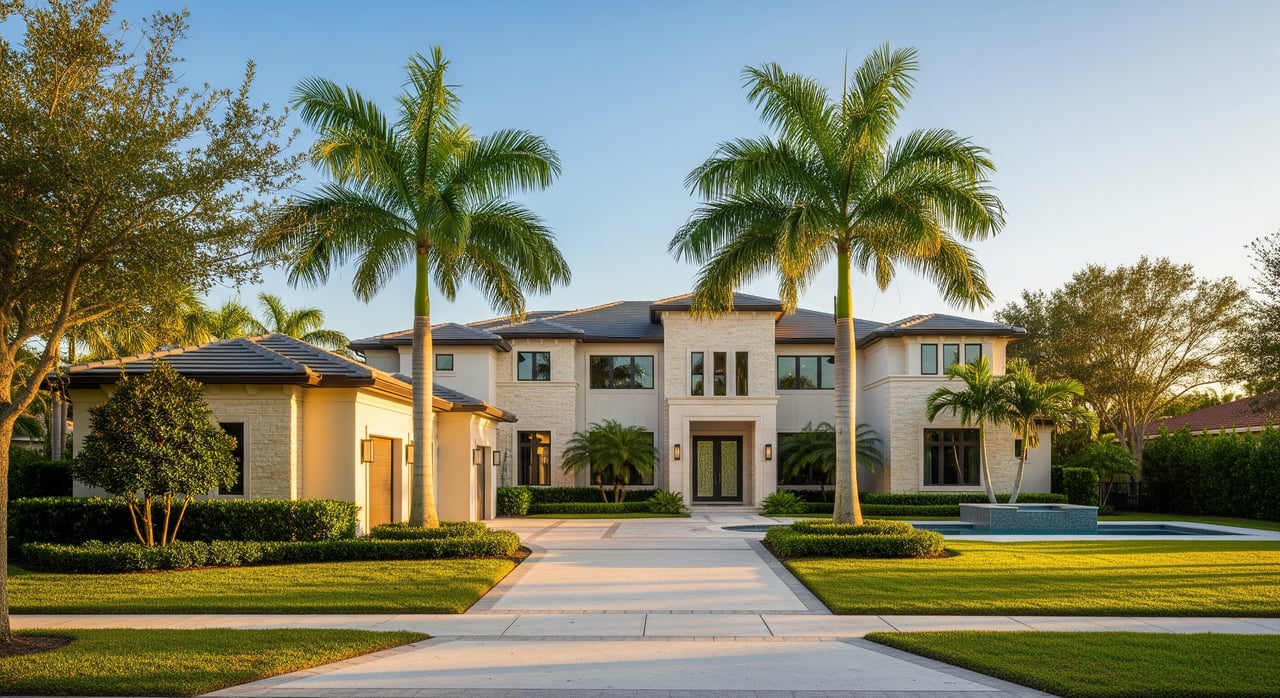
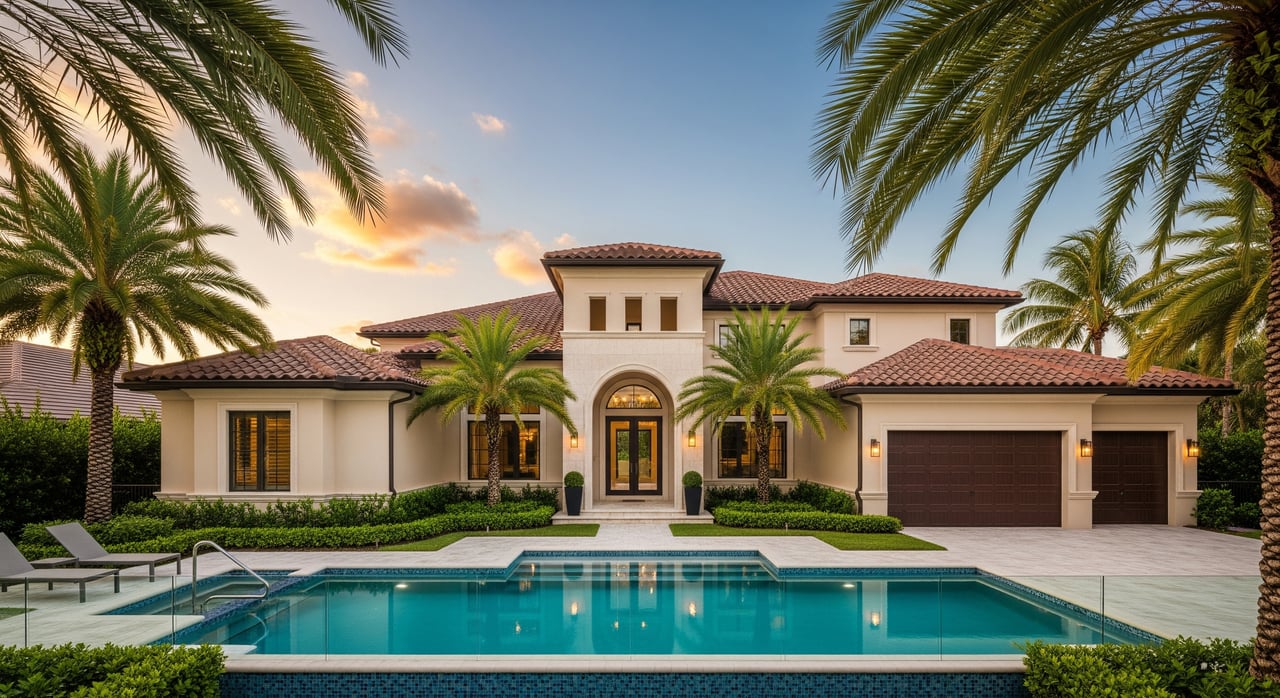
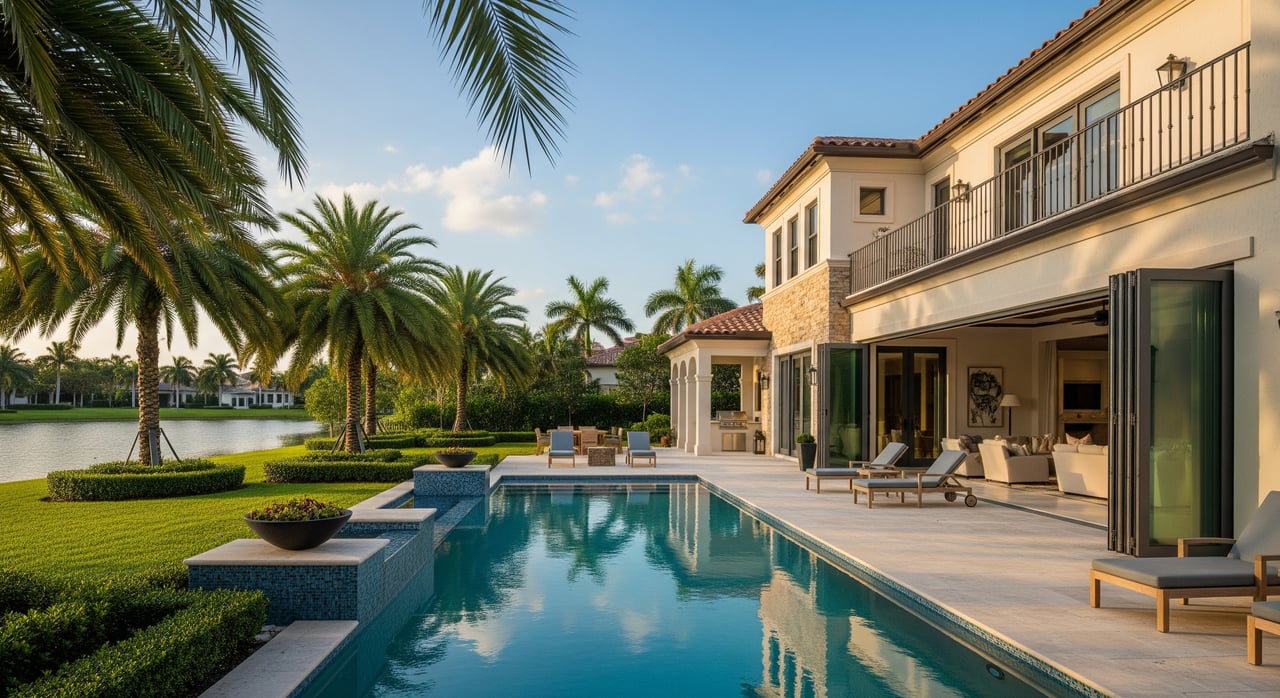
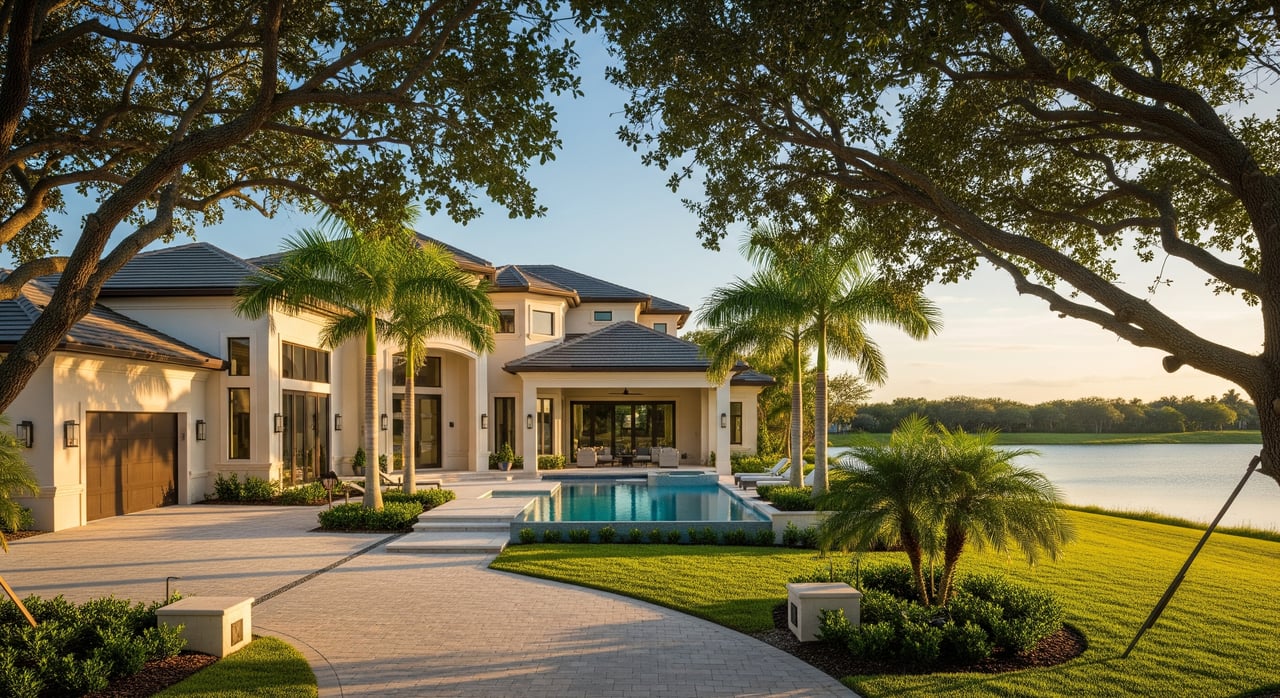
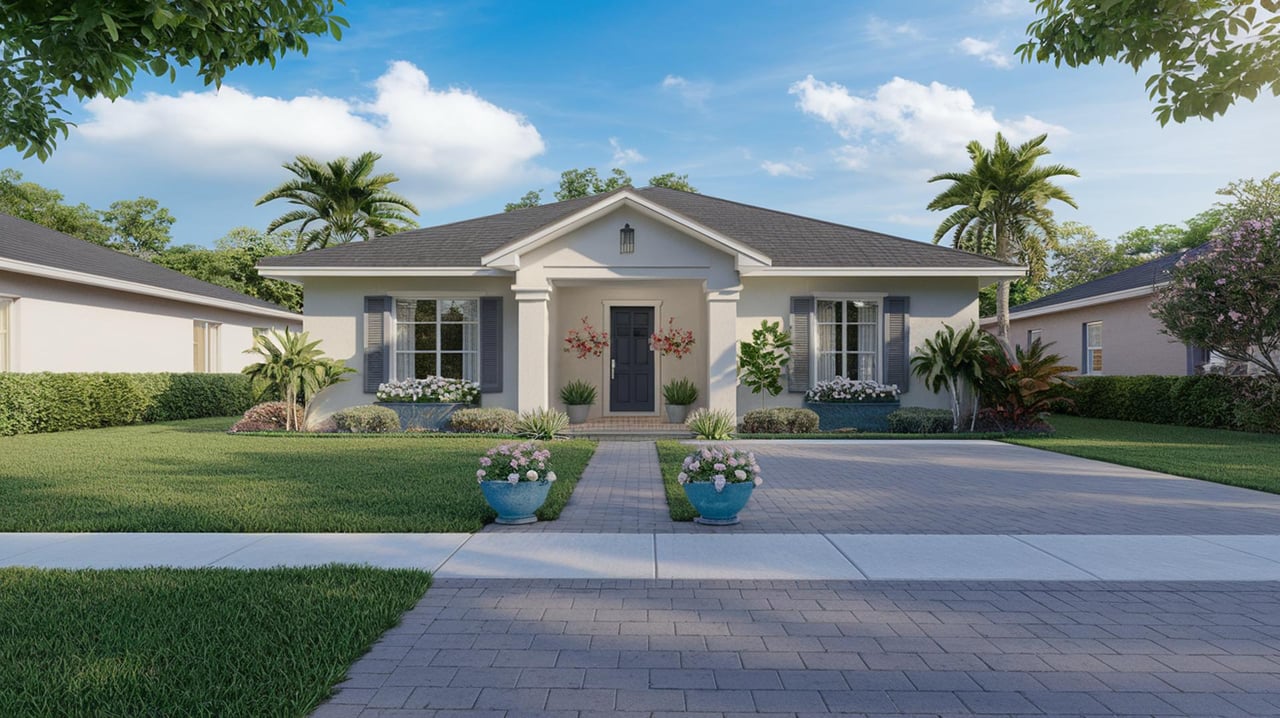
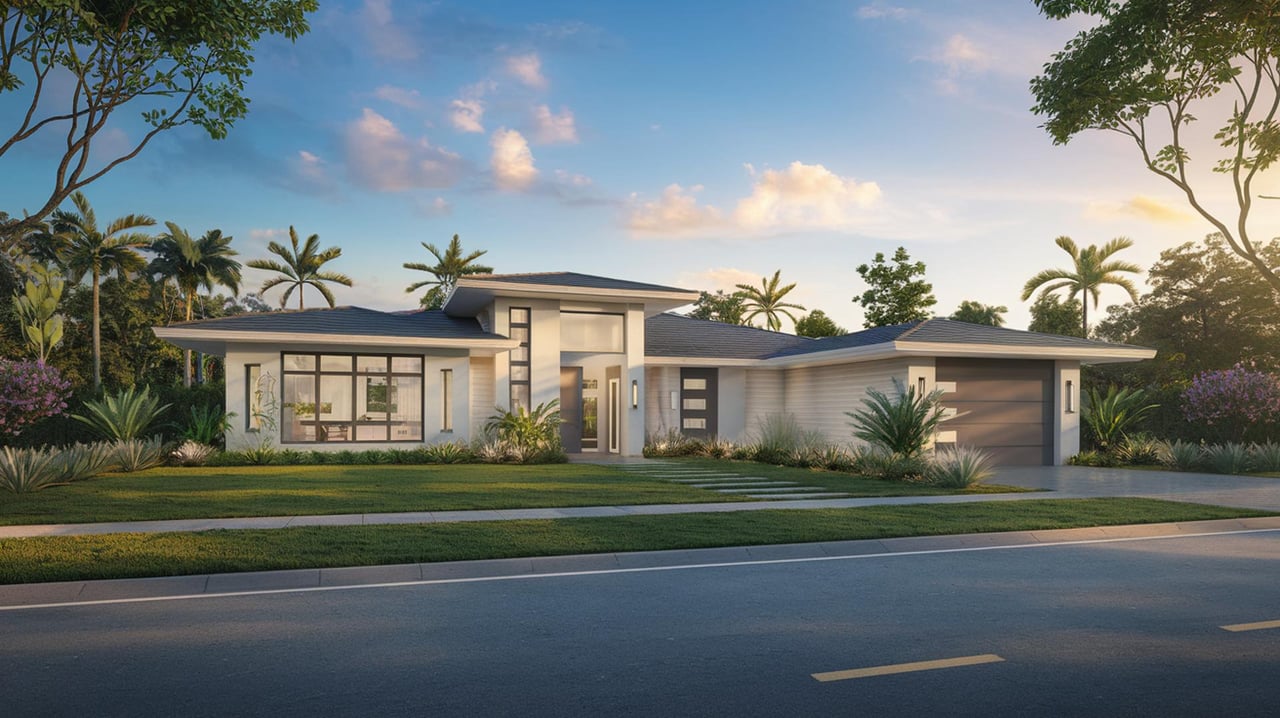
Single-family homes are the most common choice in Coral Springs. Layouts often include 1 to 2 stories, 3 to 5 bedrooms, and split floor plans. Many homes feature private yards, screened patios, and pools. Because a large share of homes were built in the 1970s through the 1990s, you will see a wide mix of original features and updates.
Maintenance and ongoing costs
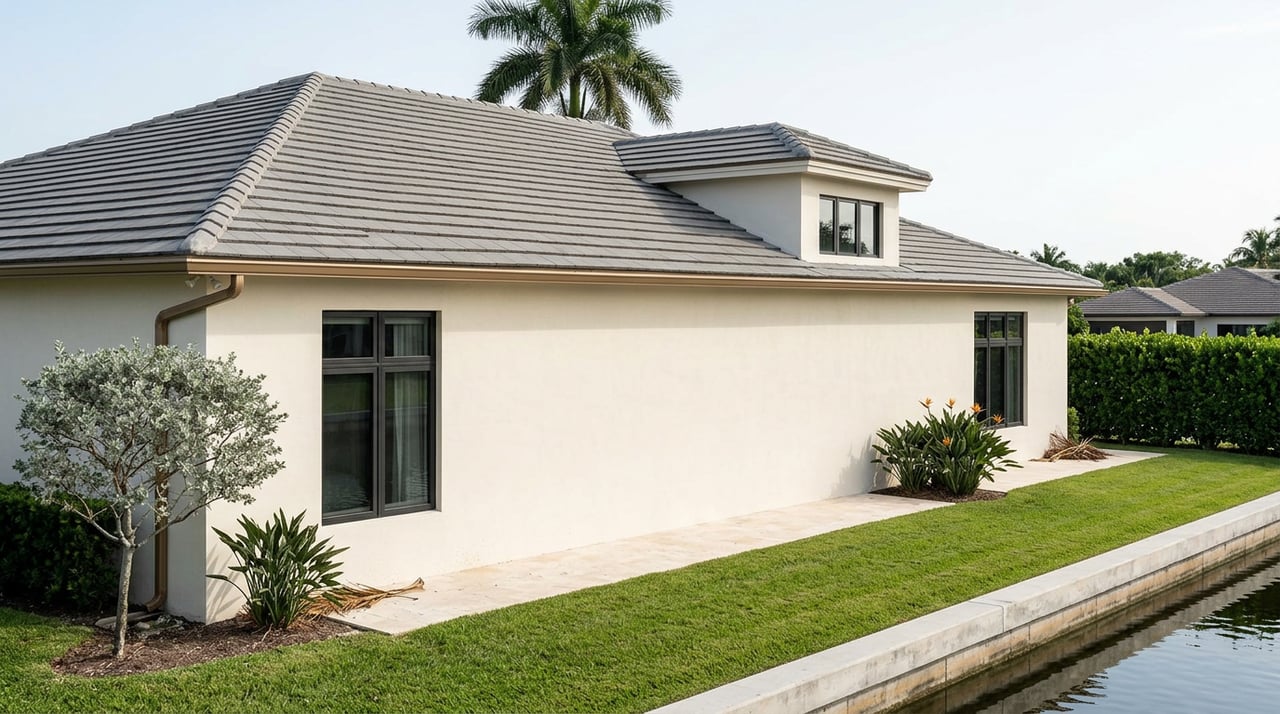
Owning a detached home means you handle roof, exterior, yard, and often pool care. Florida roof replacement costs vary by material and size. Asphalt shingle roofs are generally lower cost and tile roofs are higher cost but longer lasting. For current Florida ranges, review this roof replacement guide. Central A/C systems in South Florida typically last about 10 to 15 years, so plan for inspections and possible replacement in older homes. See HVAC lifespan guidance from Real Simple.
Insurance is another key line item. Even inland locations face wind risk. A wind mitigation inspection that documents features like impact protection and roof-to-wall connections can unlock discounts. Learn how the process works and how credits apply through Florida OIR wind mitigation resources.
Termite prevention is a must in South Florida. Annual inspections and treatment plans are common. For science-based prevention and WDO inspection tips, see UF/IFAS termite guidance.
Best fit
Choose a single-family home if you want a private yard, space for pets, or room to customize. Expect higher direct maintenance and insurance responsibilities in exchange for privacy and flexibility.
Townhomes
Layouts and communities
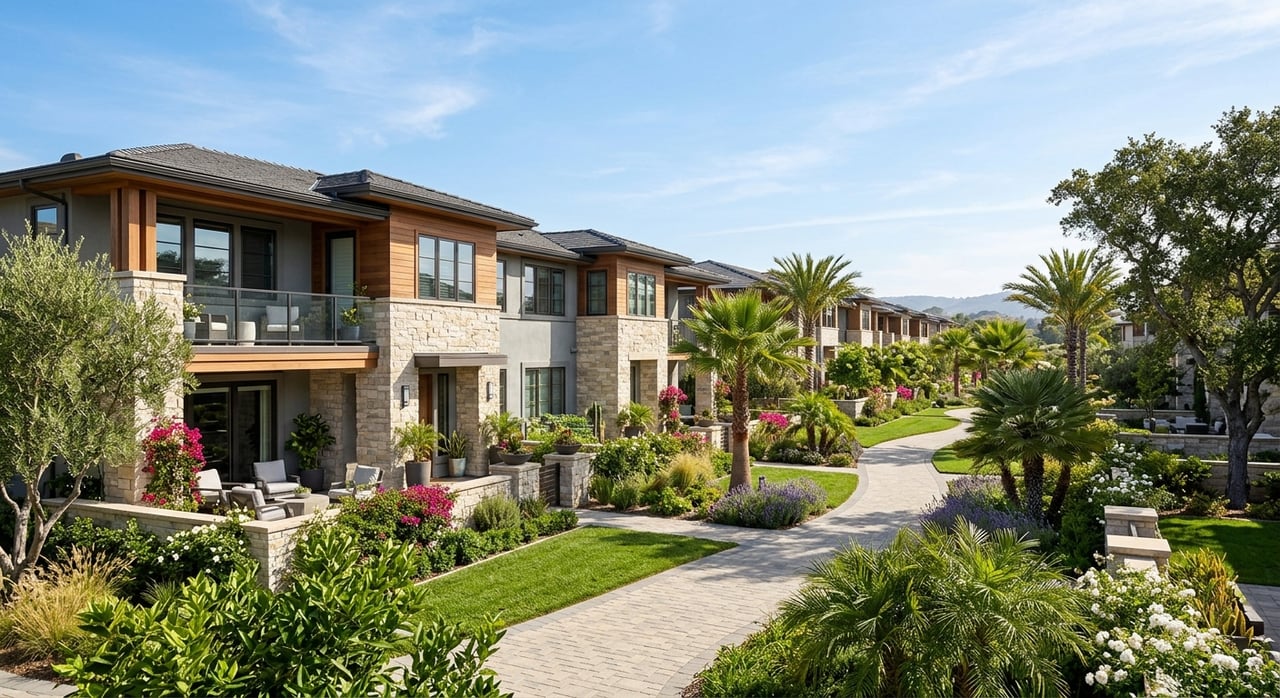
Townhomes bridge the gap between a condo and a house. In Coral Springs, you will commonly see 2 to 3 story layouts, attached walls, small patios or yards, and an attached garage. Interior space often falls in the 1,400 to 2,200 square foot range. Many townhomes are part of HOA communities that handle some exterior items, which can reduce your personal upkeep.
Costs and rules
Monthly HOA dues vary by community and amenities. You will want to confirm exactly what is covered, from exterior paint and roofing to landscaping, as well as any rules on rentals or renovations. Townhomes trade some privacy for lower day-to-day maintenance compared with a single-family home.
Best fit
Pick a townhome if you want meaningful living space with less yard work and a simpler exterior maintenance routine, while keeping more of a “home-like” feel than a condo.
Condominiums
Building styles and units
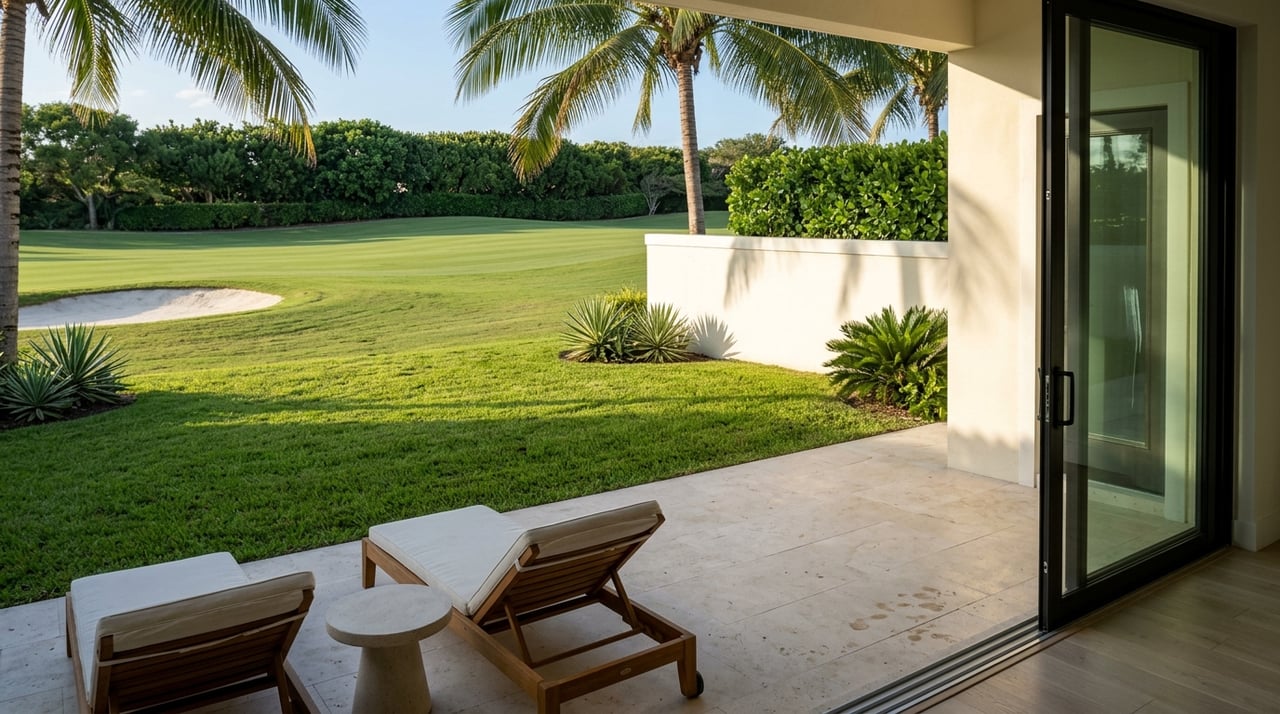
Most Coral Springs condos are low to mid-rise buildings rather than beachfront-style towers. Older complexes often feature 2 bedroom and 2 bath units, and newer mid-rise options cluster near city amenities. This style offers the lowest personal maintenance and a lock-and-leave lifestyle.
Association dues and reserves
Condo associations typically cover exterior maintenance, landscaping, common areas, and building insurance for shared elements. Dues vary widely and depend on amenities and the building’s age. Examples in Coral Springs show dues in the range of a few hundred dollars to the mid-hundreds per month, with some listings near $600 to $700 in certain complexes, like those noted in this representative property record. Always review the budget, reserve study, and any special assessments before you commit.
Best fit
Choose a condo if you prefer minimal upkeep, on-site amenities, and the convenience of association-managed exteriors. Be prepared to evaluate reserves and rules closely, since association health directly impacts your long-term costs.
Newer and gated communities
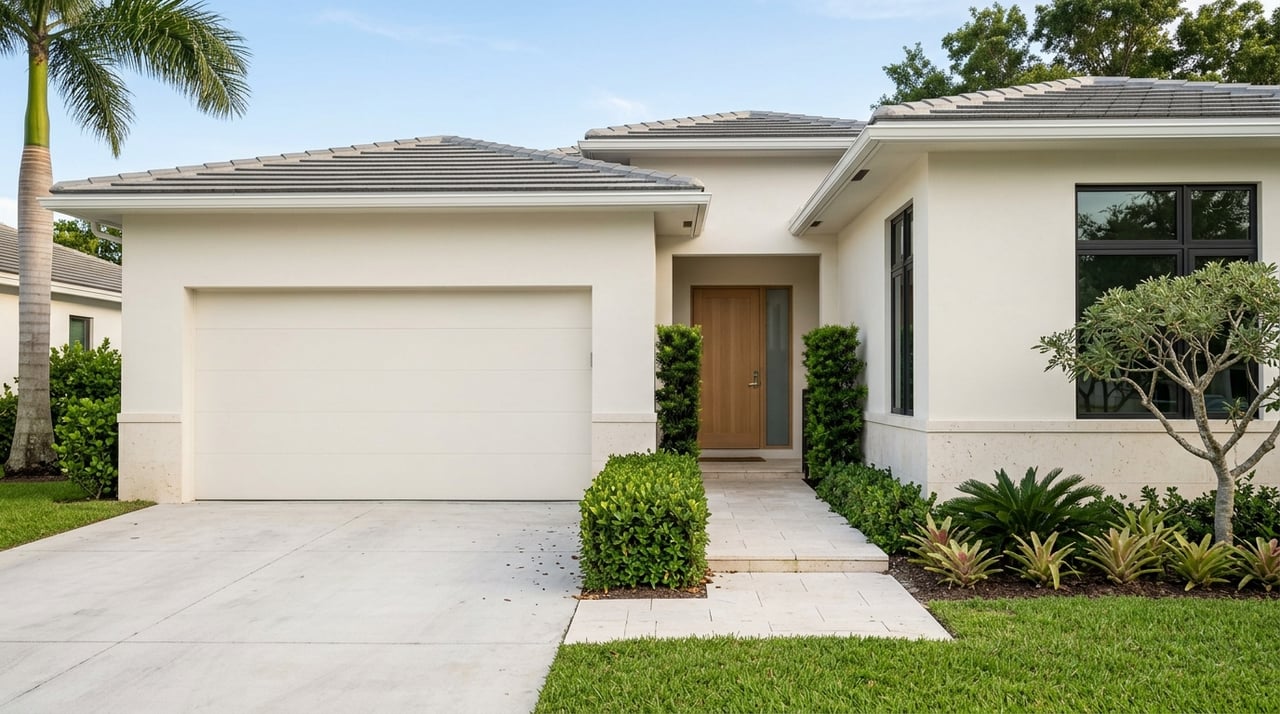
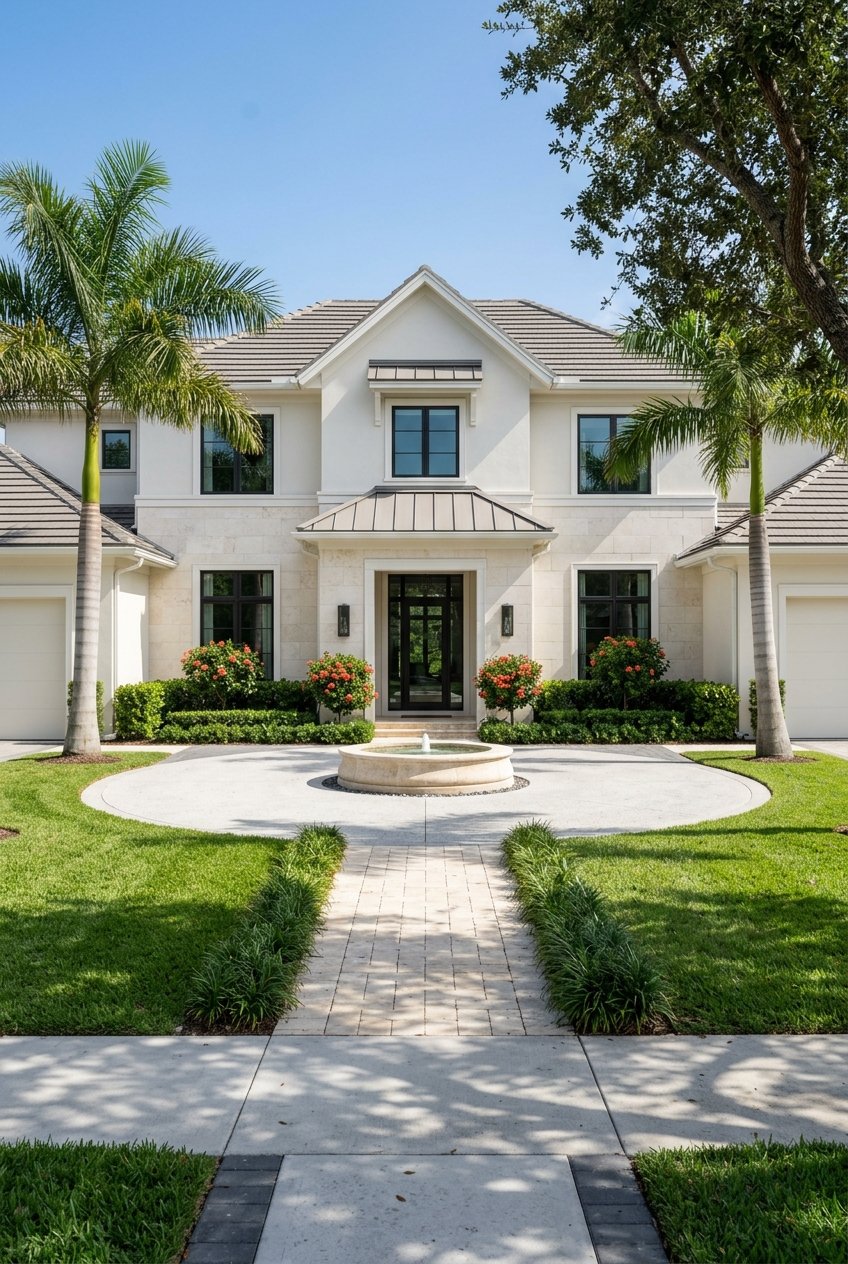
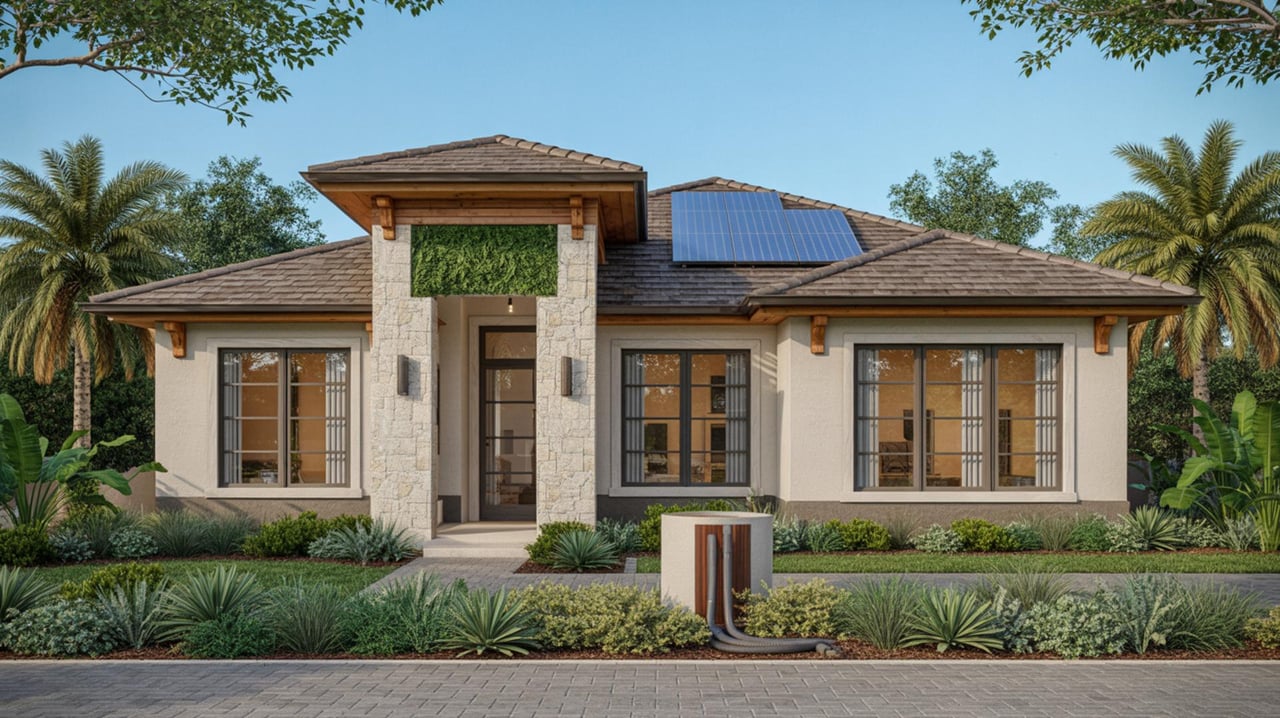
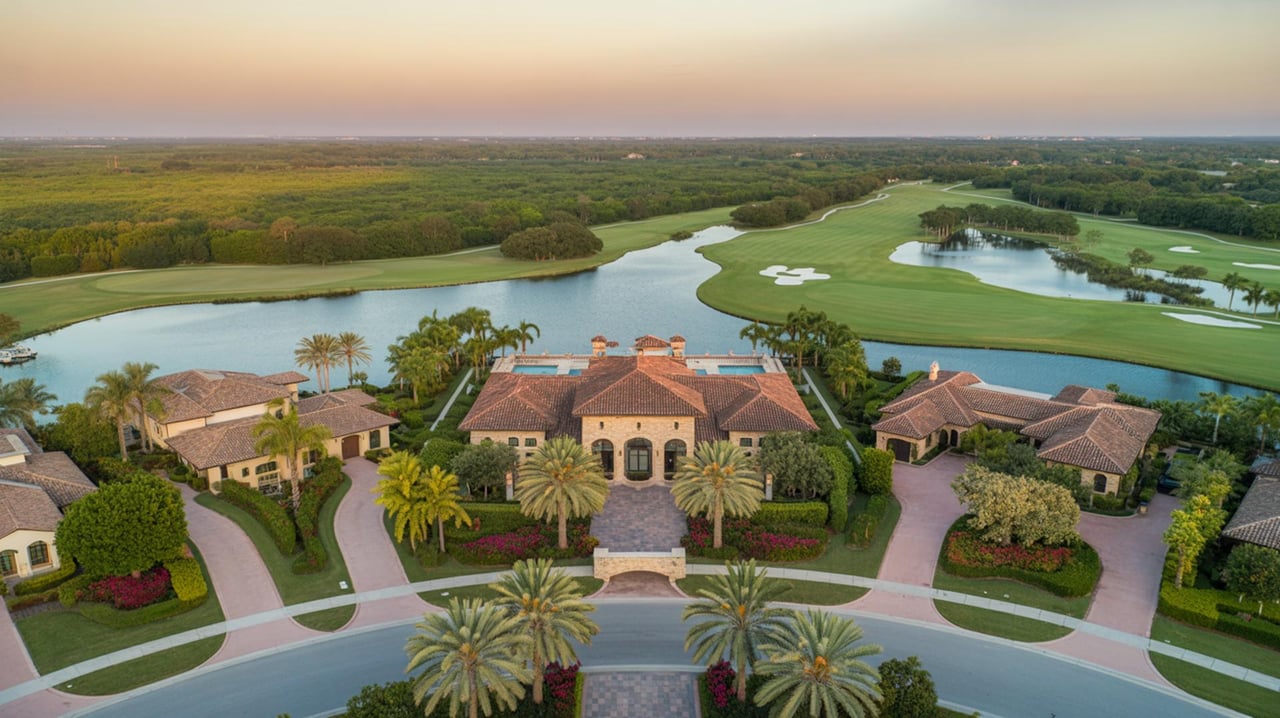
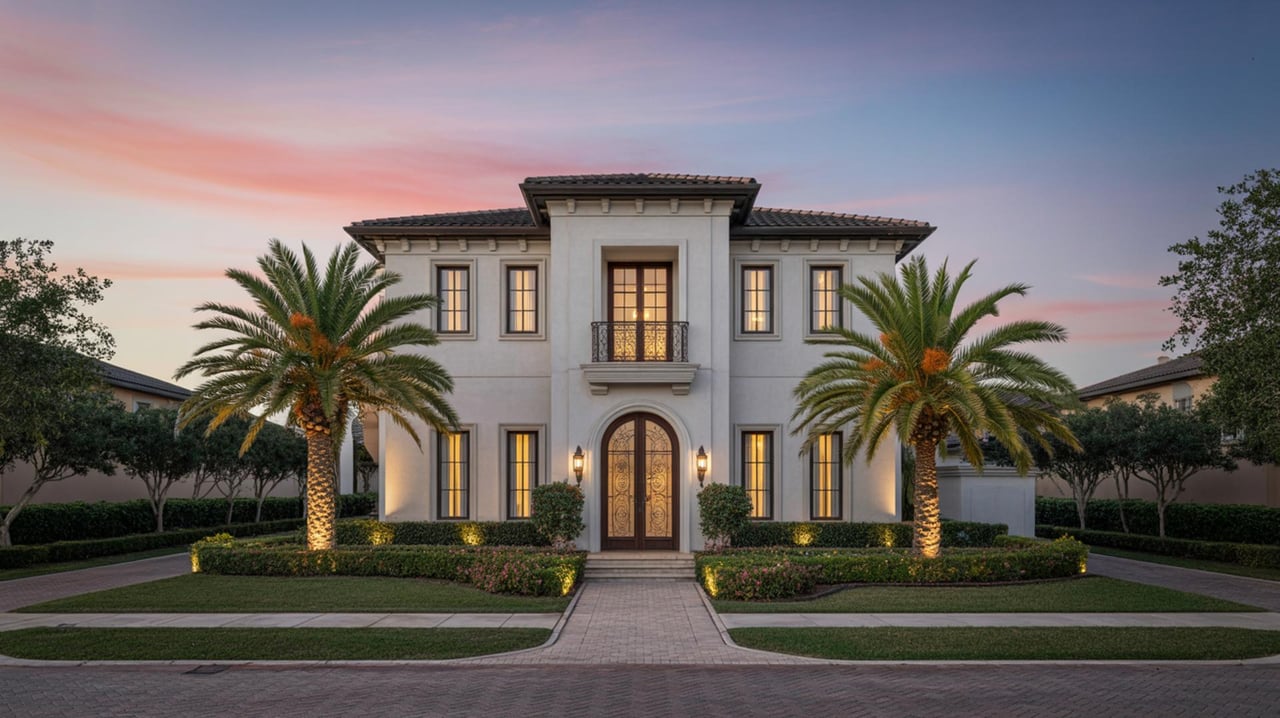
Newer subdivisions and gated enclaves, often closer to the Parkland and 33076 border, command higher prices but deliver modern construction. You will often find impact-rated windows and doors, recent roofs, and newer mechanical systems that reduce near-term repairs. For buyers prioritizing code-level wind resilience and lower immediate maintenance, this category can be compelling, if your budget allows.
What to budget and inspect
Use this checklist to pressure-test your total cost of ownership before you write an offer:
- Roof condition and age. Compare materials and replacement ranges using a current Florida guide, such as HomeAdvisor’s roof cost resource.
- A/C system age and service history. Typical lifespan runs about 10 to 15 years in South Florida according to Real Simple.
- Wind mitigation. Ask for any existing wind mitigation reports and confirm which features could earn credits. See Florida OIR wind mitigation resources for details.
- Termites and WDOs. Order a WDO inspection and ask about transferable warranties. See UF/IFAS guidance.
- Flood risk. Coral Springs has mixed flood zones. Always run an address check on FEMA maps and confirm whether a lender will require flood insurance. Start with Broward and FEMA flood lookups.
- HOA health. For condos and many townhomes, request the full HOA packet: budget, reserve study, insurance certificates, rental rules, and any pending assessments.
- Permits and renovation history. Review recent permits and records through the city’s planning resources. See the City of Coral Springs Comprehensive Plan and Community Development pages for a starting point.
How to compare total costs across home types
Create a simple side-by-side comparison before you decide:
- Mortgage and taxes based on your target purchase price.
- Homeowner’s insurance, plus flood insurance if required by the property’s FEMA map panel.
- HOA dues if applicable, including any known assessments.
- A yearly maintenance line. For houses, include roof, A/C, pool, exterior paint, lawn, pest control. For townhomes and condos, focus on interior systems plus any items not covered by the association.
This approach helps you look beyond list price to the true monthly and annual picture.
Matching your lifestyle to the right home
- If you want a private yard, room for pets, or space to garden or add a workshop, a single-family home is usually the best fit. Plan for higher direct maintenance and insurance.
- If you want a lock-and-leave lifestyle, on-site amenities, and minimal exterior upkeep, start with condos and some townhome communities. Read the rules and reserve studies closely.
- If you want a middle ground, a townhome offers solid interior space with less yard work than a house.
- If you are budget-focused, condos or townhomes can lower your purchase price, but remember to add HOA dues and any assessments to your cost picture.
Neighborhood patterns at a glance
- Single-family homes are found across the city in established subdivisions.
- Townhomes and condos cluster near commercial corridors and the City Center, which may place you close to shopping and services.
- Larger, gated, or newer communities tend to be on the western side near the Parkland line. These often feature more recent construction and modern storm protections.
How the Steve Kaminer Team helps you decide
Choosing the right home style in Coral Springs is about more than square footage. You should weigh maintenance cycles, insurance credits, HOA health, and your day-to-day lifestyle. Our team brings decades of local market knowledge, a concierge approach to showings and due diligence, and negotiation focus to help you buy the right home at the right total cost of ownership.
If you would like a clear, side-by-side cost comparison on homes you are considering, or want to preview neighborhoods that fit your goals, we are ready to help. Connect with Steven Kaminer to get started.
FAQs
What is the typical home price in Coral Springs right now?
- As of January 2026, Zillow’s Home Value Index was about $514,000 for Coral Springs and Redfin’s median sold price was about $557,000, which differ due to methodology and timing; always note the vendor and date when comparing.
How do HOA fees affect condos in Coral Springs?
- Associations cover exterior items and common areas, and dues can range from a few hundred dollars to the mid-hundreds per month; example listings in the area show some complexes near $600 to $700, and you should review budgets and reserve studies to assess building health, as in this representative record.
Are flood zones a concern for Coral Springs buyers?
- Flood risk is address-specific, with some areas in FEMA Special Flood Hazard Areas and most inland zones lower risk; always run an address lookup using Broward and FEMA flood maps and know that lenders require flood insurance if a property sits in a mapped SFHA.
What maintenance costs should I expect for a 1980s single-family home?
- Plan for roof replacement within Florida cost ranges by material and size, A/C replacement if systems are 10 to 15 years old, termite inspections and prevention, and routine exterior care; see HomeAdvisor’s Florida roof cost guide, Real Simple’s A/C lifespan guidance, and UF/IFAS termite guidance.
Can wind mitigation lower my insurance costs in Coral Springs?
- Yes, insurers offer discounts for documented wind-resistant features such as impact shutters, reinforced roof connections, and newer roofing systems; a Wind Mitigation Inspection using the OIR-B1-1802 form records those features for your carrier, and you can learn more via Florida OIR resources.