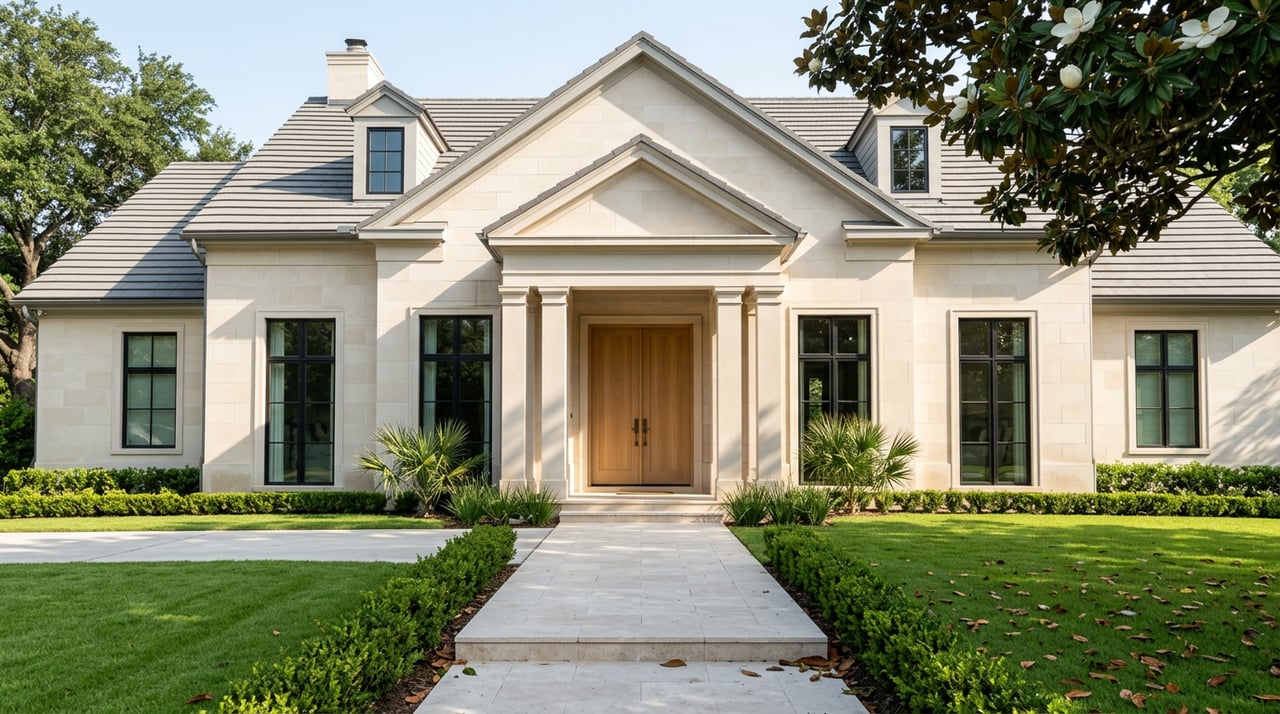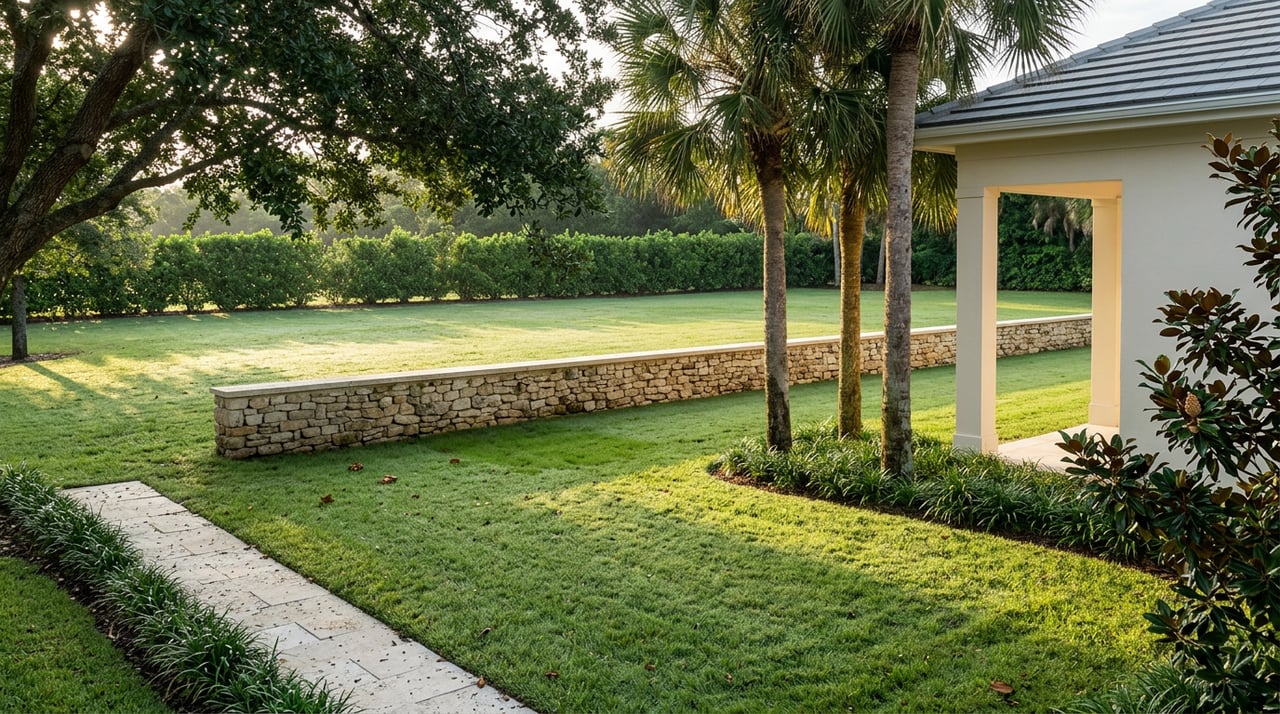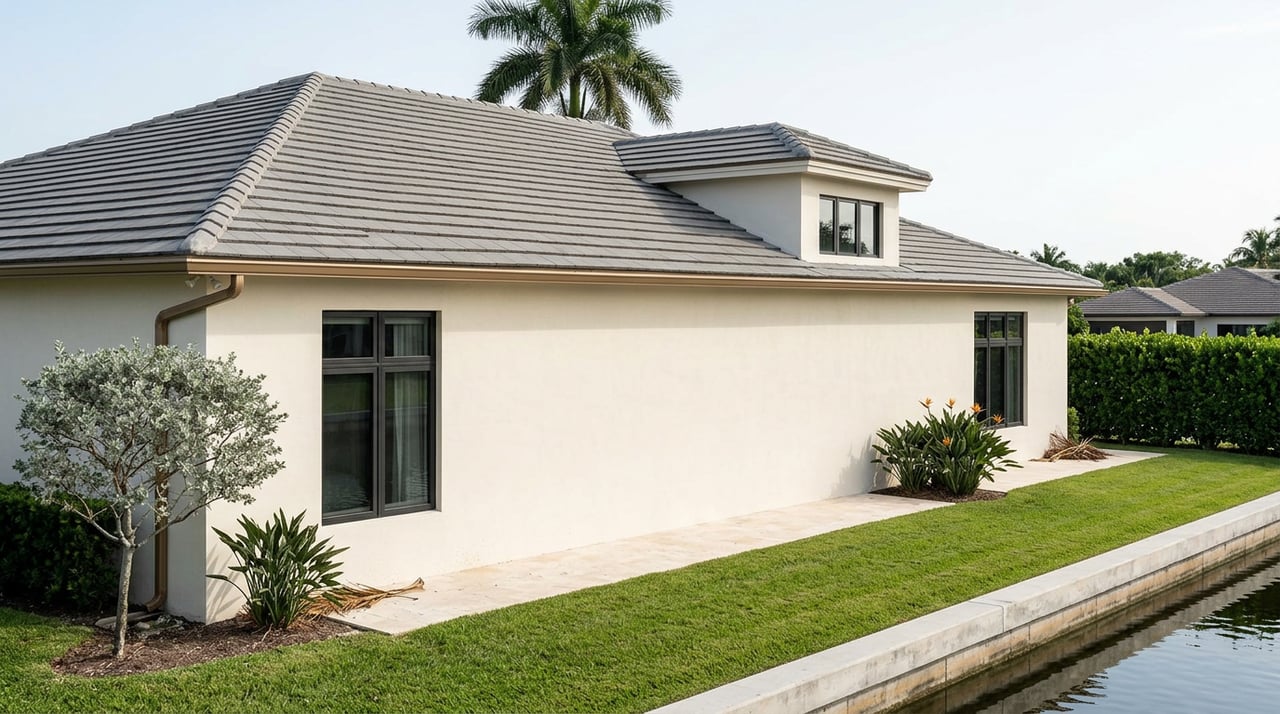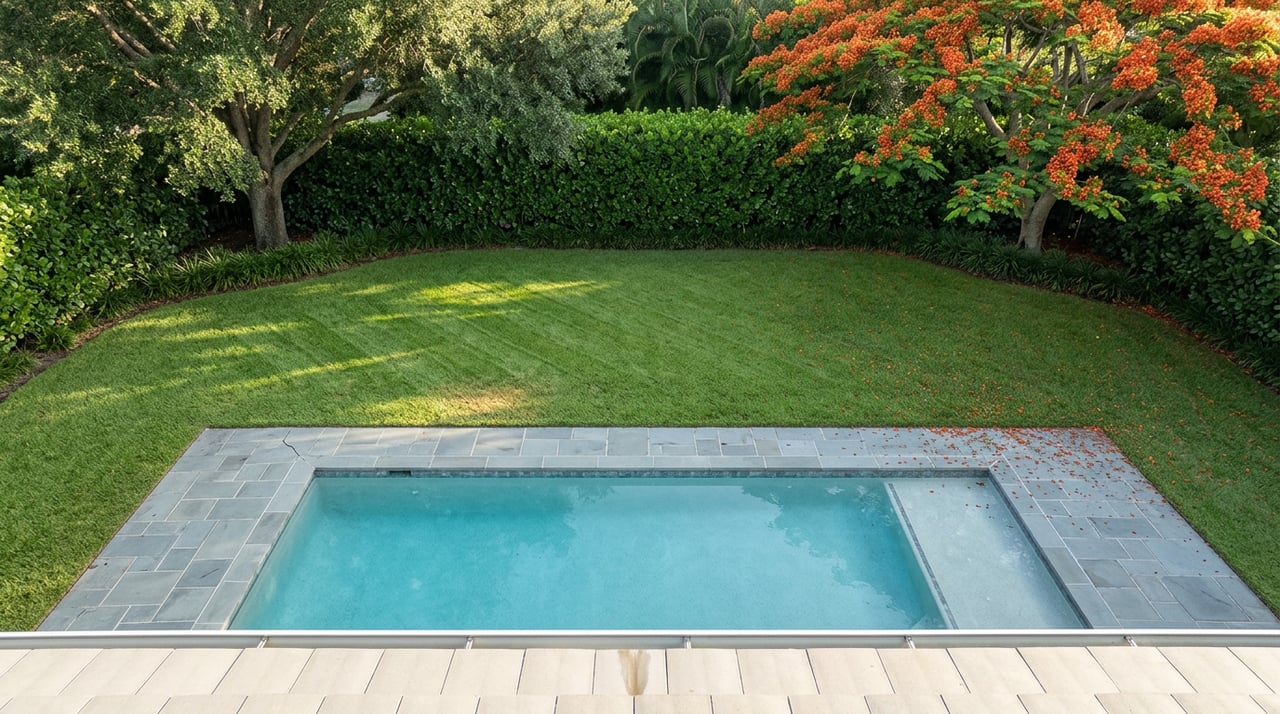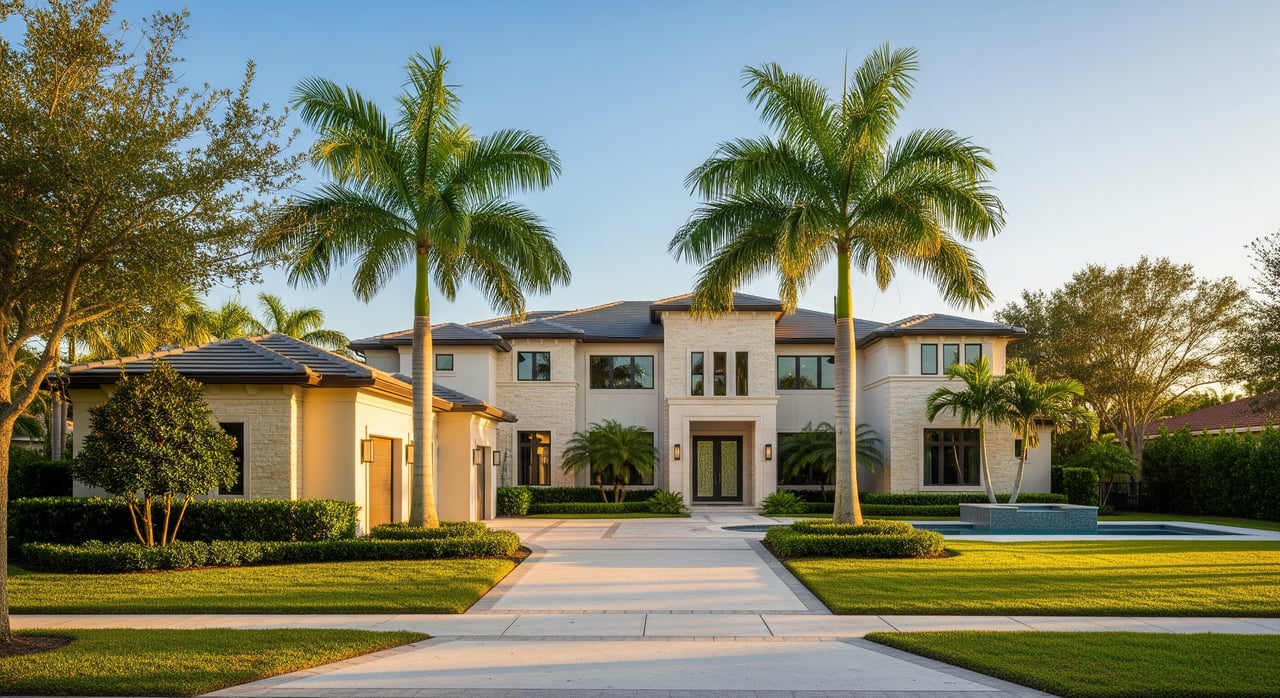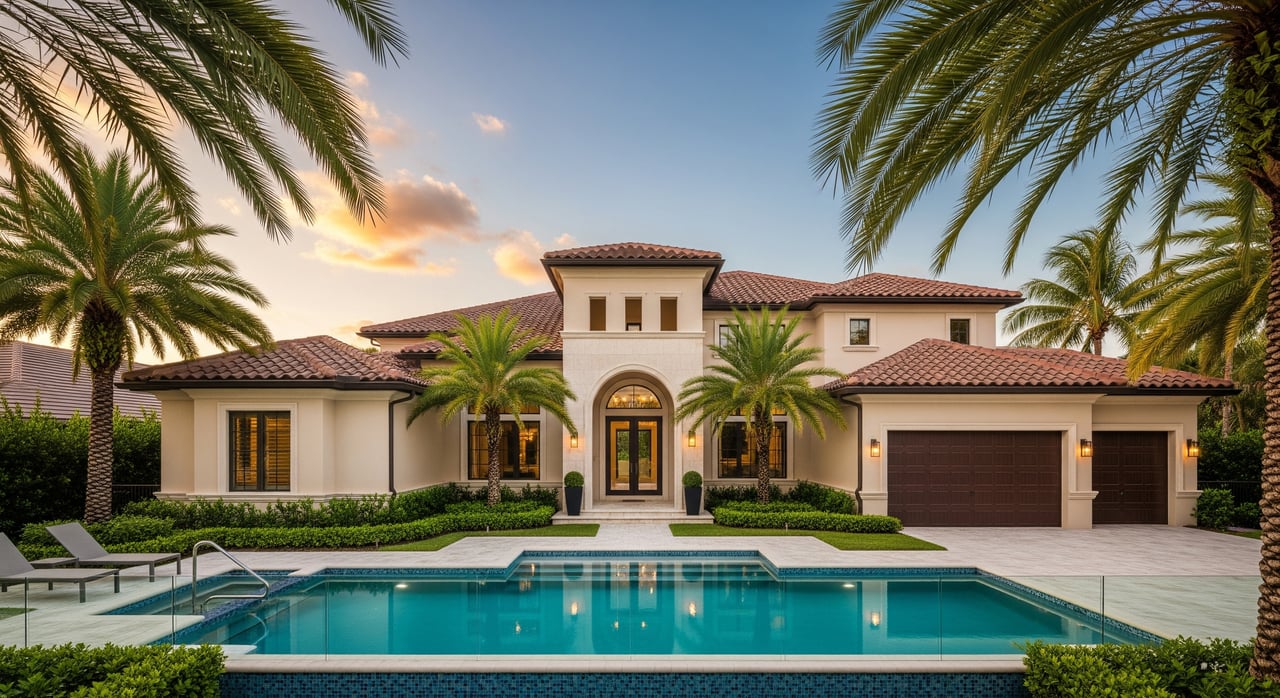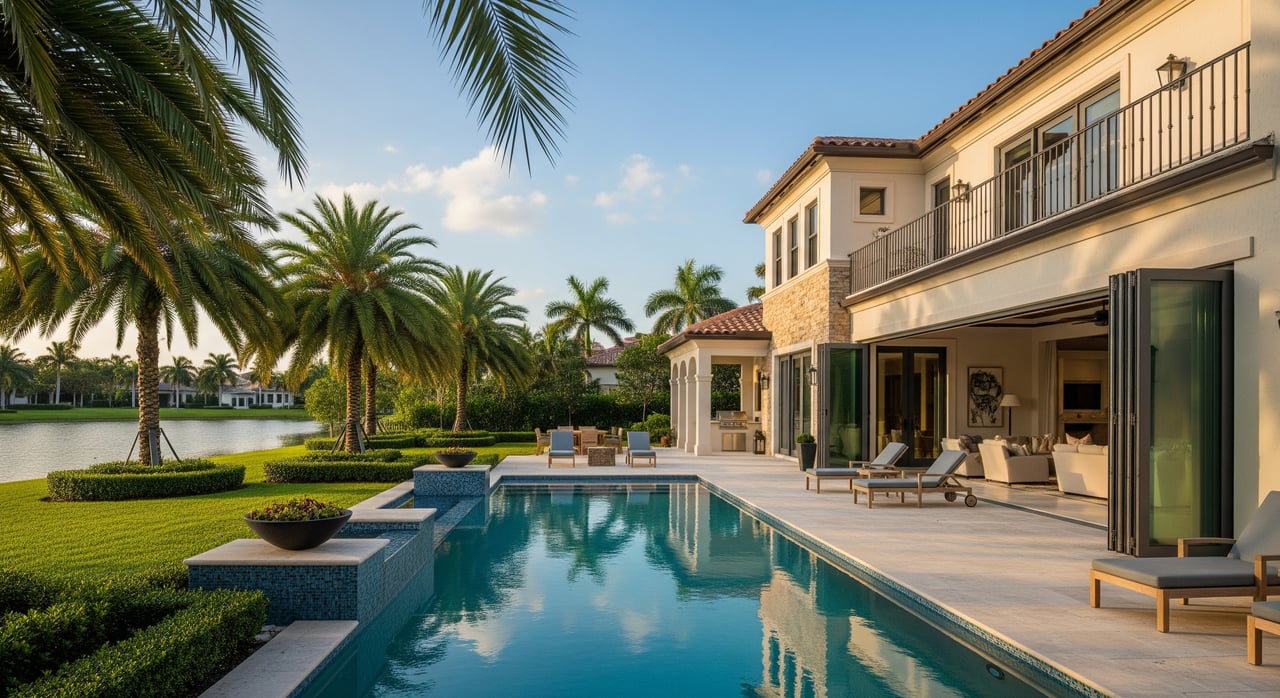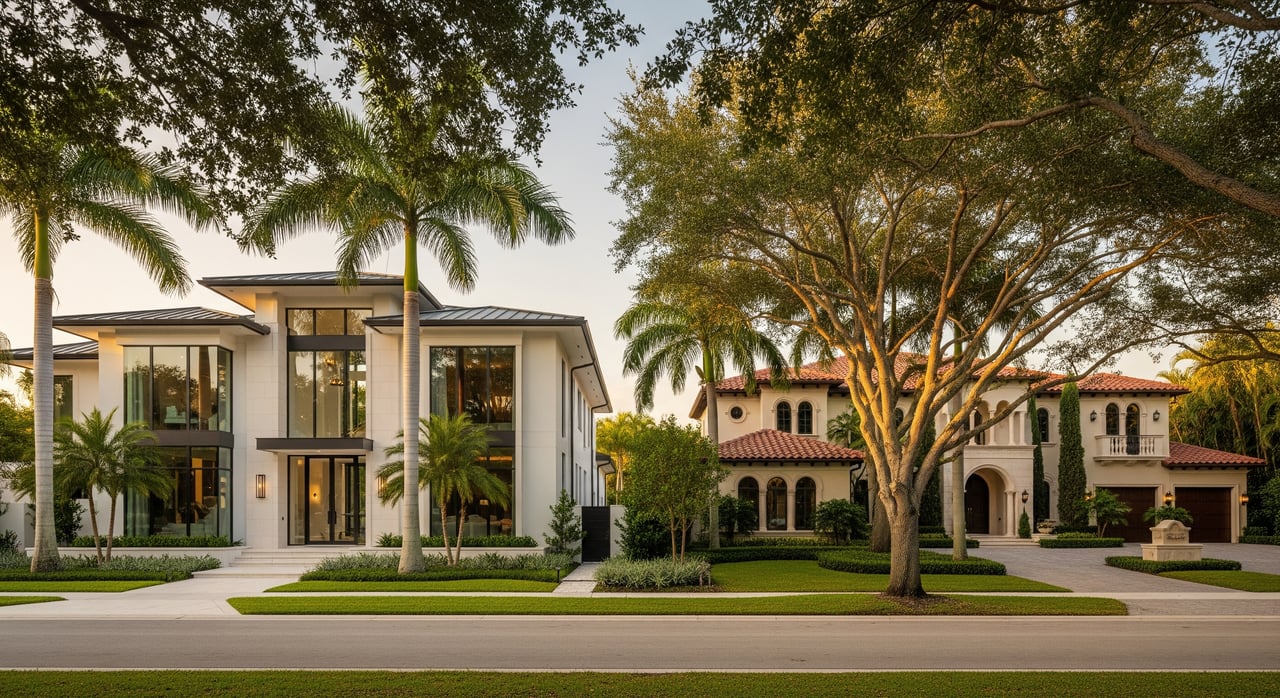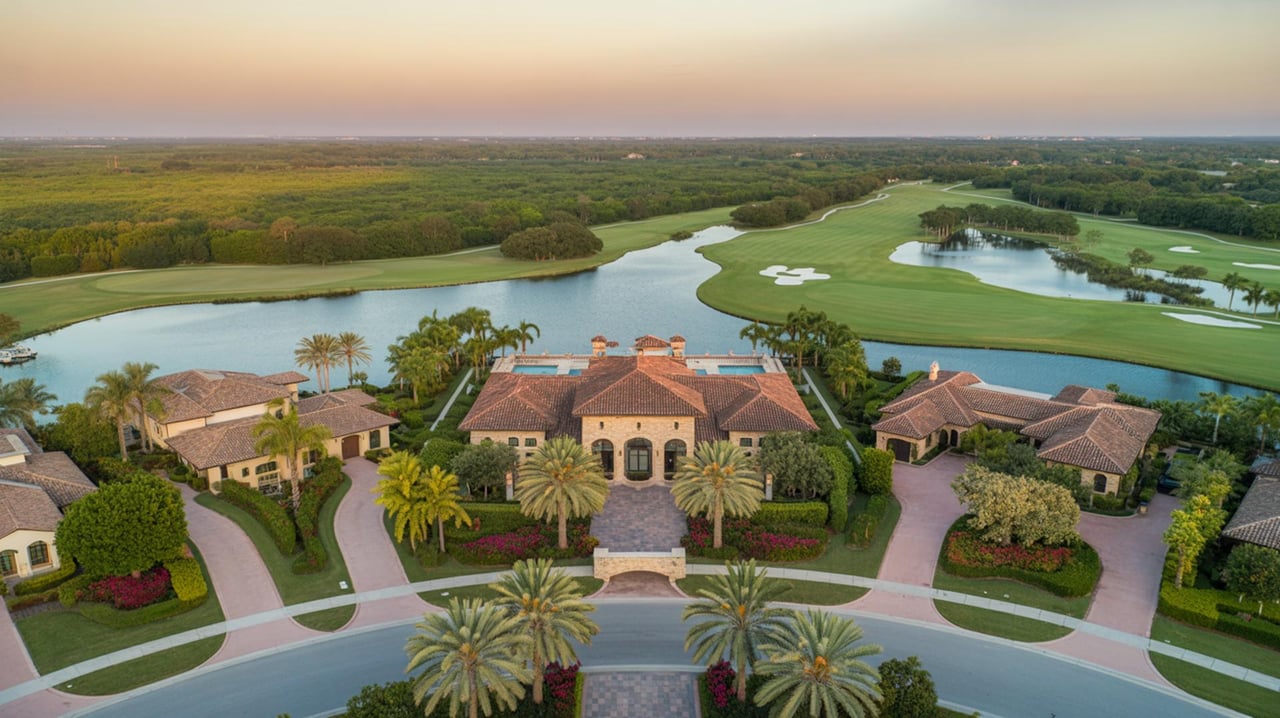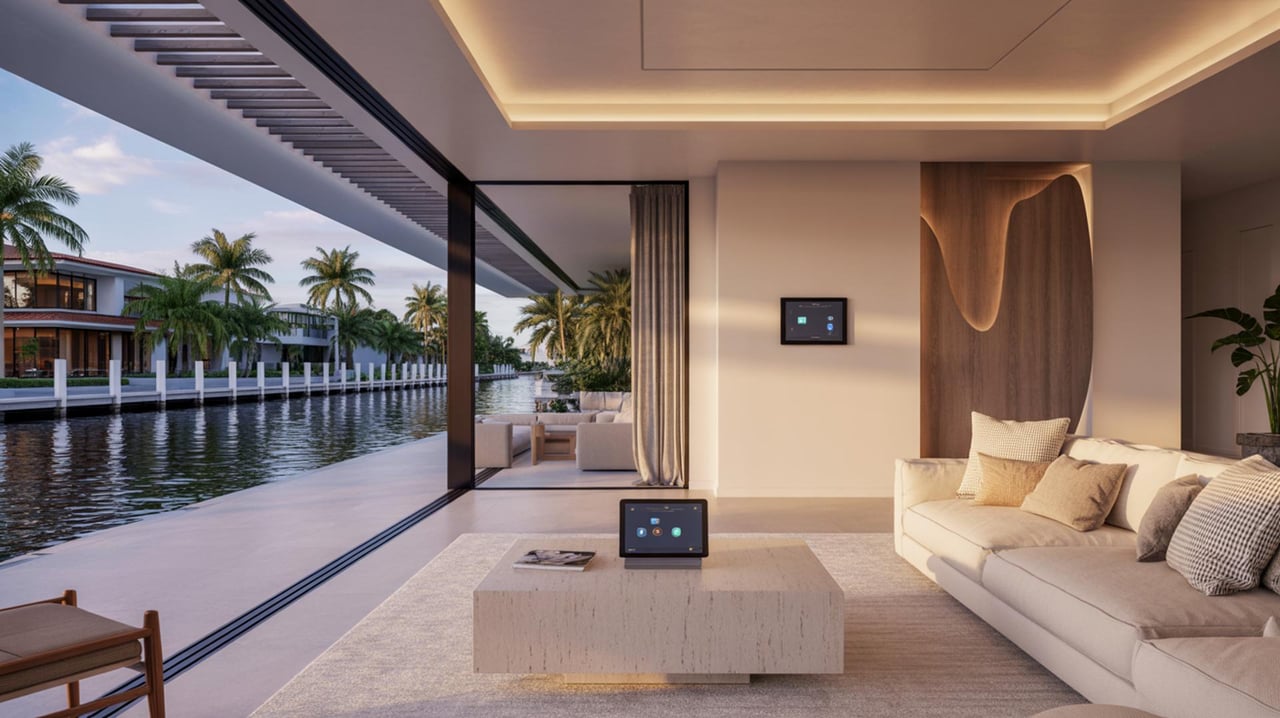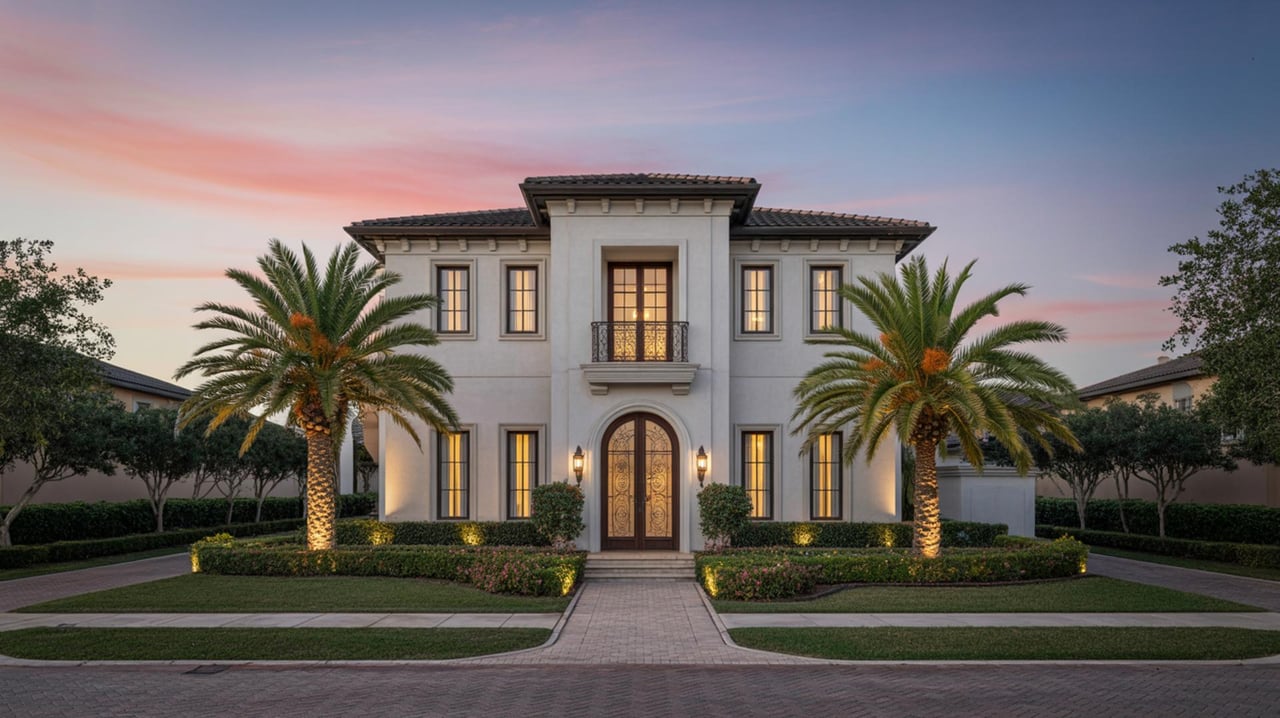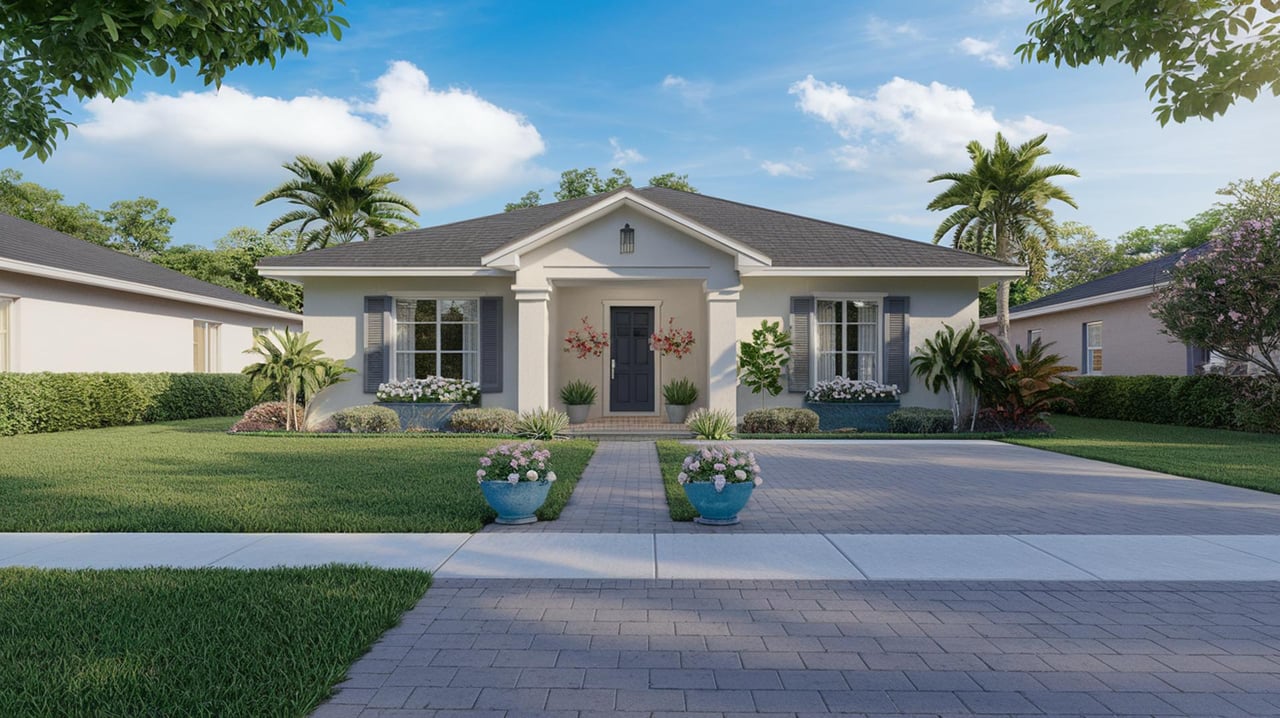
Are you wondering what your Coral Springs home is really worth right now? Pricing can feel like a moving target, especially with shifting mortgage rates, insurance considerations, and distinct neighborhood dynamics. You want a number you can trust, and a plan that attracts qualified buyers without leaving money on the table. In this guide, you’ll see exactly how a data-driven CMA works in Coral Springs, what features push value up or down, and the pros and cons of different launch strategies. Let’s dive in.
How pricing works in Coral Springs
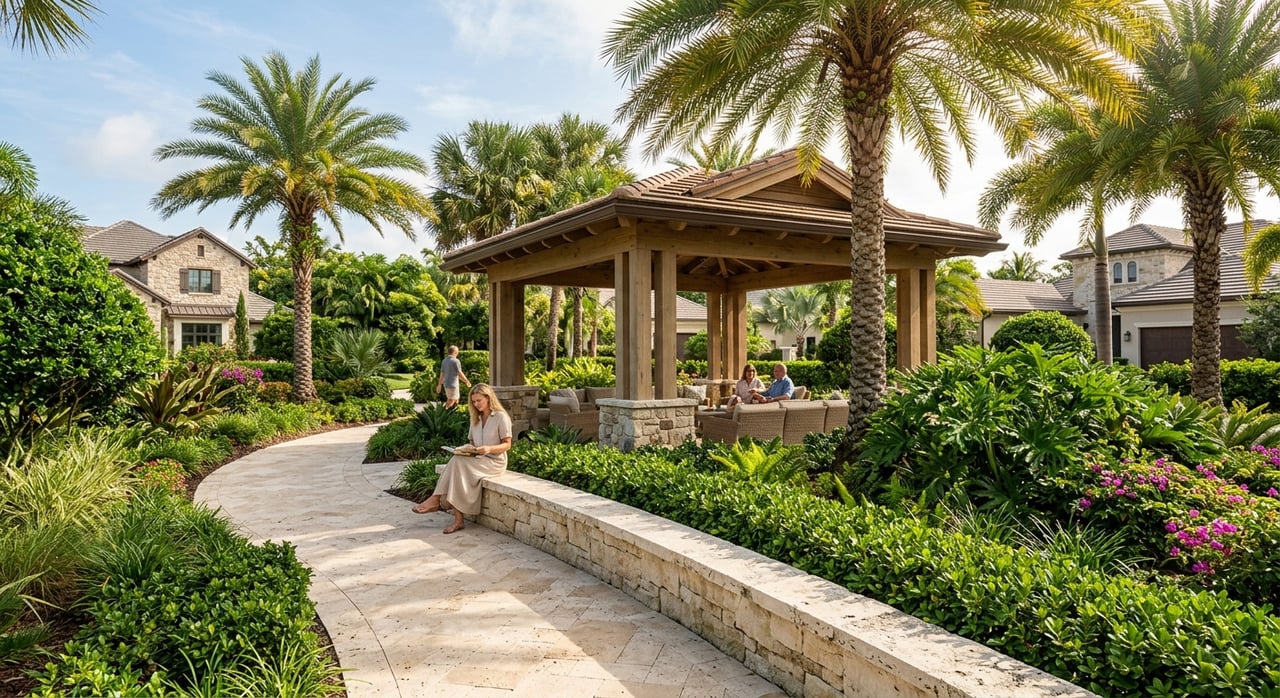
Coral Springs sits in northern Broward County with buyer demand shaped by daily life realities. Commute access, local parks and amenities, and school assignment within Broward County Public Schools all factor into what buyers will pay. Because homes here span different construction eras, lot sizes, and community setups, pricing varies at a micro level by subdivision and even by street.
Seasonal patterns and broader economic factors also matter. South Florida experiences relocation and snowbird flows, and buyer behavior can shift with interest rate changes and evolving insurance costs. The most reliable pricing decisions use the freshest 30 to 90 day data, then adjust for condition, features, and competition.
Our CMA framework for Coral Springs
A comparative market analysis is more than a spreadsheet. It is a structured way to define the exact product you are selling, place it in the right micro-market, and quantify differences so your price is defensible.
Step 1: Define the product and micro-market
We start with a full property profile. That includes living area, lot size, beds and baths, year built, mechanical systems, roof age, impact-rated windows and doors, pool, garage, HOA details, and whether you are on or near a canal or lake. Then we draw a tight micro-market boundary, often your subdivision or a small cluster of similar blocks, and expand only if needed to find true apples-to-apples sales.
Step 2: Select the best comparables
We rely primarily on closed sales from the past 3 to 6 months, then layer in pending sales and active listings to understand real-time competition. The goal is 6 to 12 high-quality comps that match on location, lot type, renovation level, square footage, and bath count. When possible, we use paired-sales logic that isolates a single feature at a time, like a pool or impact glass, to see its true market effect.
Step 3: Adjust for differences
Comps are rarely identical, so we adjust for time, location nuances, size, beds and baths, condition, pool, garage, lot characteristics, and special features. Time adjustments reflect month-to-month market movement. Size adjustments draw from local price-per-square-foot relationships within your size range. Condition and feature adjustments use market-derived evidence. We document each adjustment so you can see how the math connects to the market.
Step 4: Produce a price range and list price
After adjustments, we present a value range with low, mid, and high indications. The midpoint represents objective market value. Your launch list price then aligns with the strategy you choose, based on your goals, your home’s strengths, and current inventory conditions.
Step 5: Monitor early signals and iterate
The first 7 to 14 days are the truth. We track showings, feedback, and offers against local days-on-market and absorption patterns. If activity is softer than expected, we act quickly with pricing or positioning adjustments before market fatigue sets in.
Micro-market factors to evaluate
Coral Springs pricing hinges on specifics that buyers notice and appraisers document.
Neighborhood and street position
Homes within the same subdivision or from the same builder often trade within a clear band. Interior streets typically command a premium compared with homes on or near major corridors such as Sample Road or Royal Palm Boulevard. If a lot backs to commercial uses, we factor that into pricing.
School zones and nearby parks
School assignment influences many buyers’ search boundaries. Since boundaries can shift, we verify current zoning when relevant and communicate placement neutrally. Proximity to parks and community amenities can also support value when paired with aligned comps.
Canal or lake proximity
Direct water access and views usually add appeal. Some buyers consider flood risk or seawall maintenance in their decision. We compare waterfront to similar inland sales to measure the premium or discount objectively.
Lot size, shape, and privacy
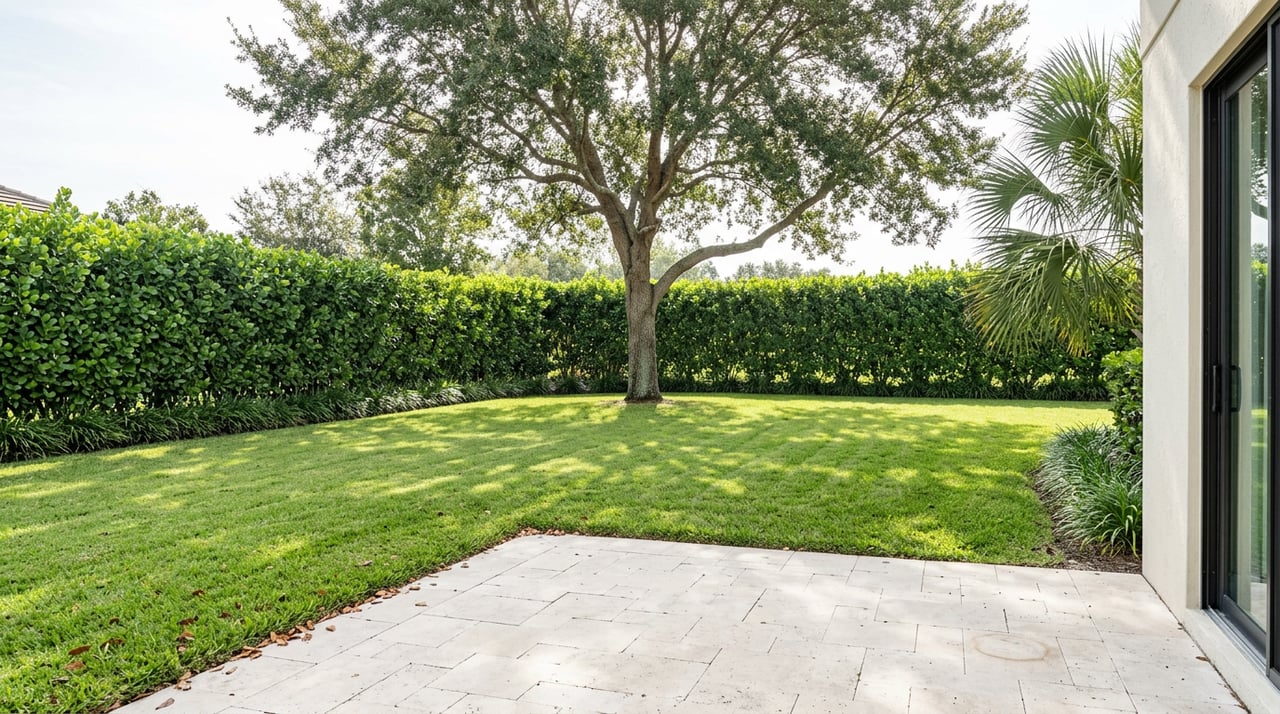
Usable outdoor space matters more than raw acreage. Deep backyards that accommodate a pool or outdoor living area often show measurable premiums. Lots with limited privacy or irregular shapes can price differently.
HOA, amenities, and fees
Gated or amenity-rich communities can trade at premiums. Higher monthly fees reduce buyer net value. We balance those factors by comparing like-for-like communities and fee structures.
Age and renovation cohort
Many Coral Springs homes share similar construction eras. Renovation recency and scope, especially kitchens, baths, windows, roof, and HVAC, have outsized influence on perceived value. We compare to renovated and original-condition sales within the same tract whenever possible.
Features that move price in Coral Springs
Below are common features we quantify using local paired sales and documented buyer behavior.
Pools
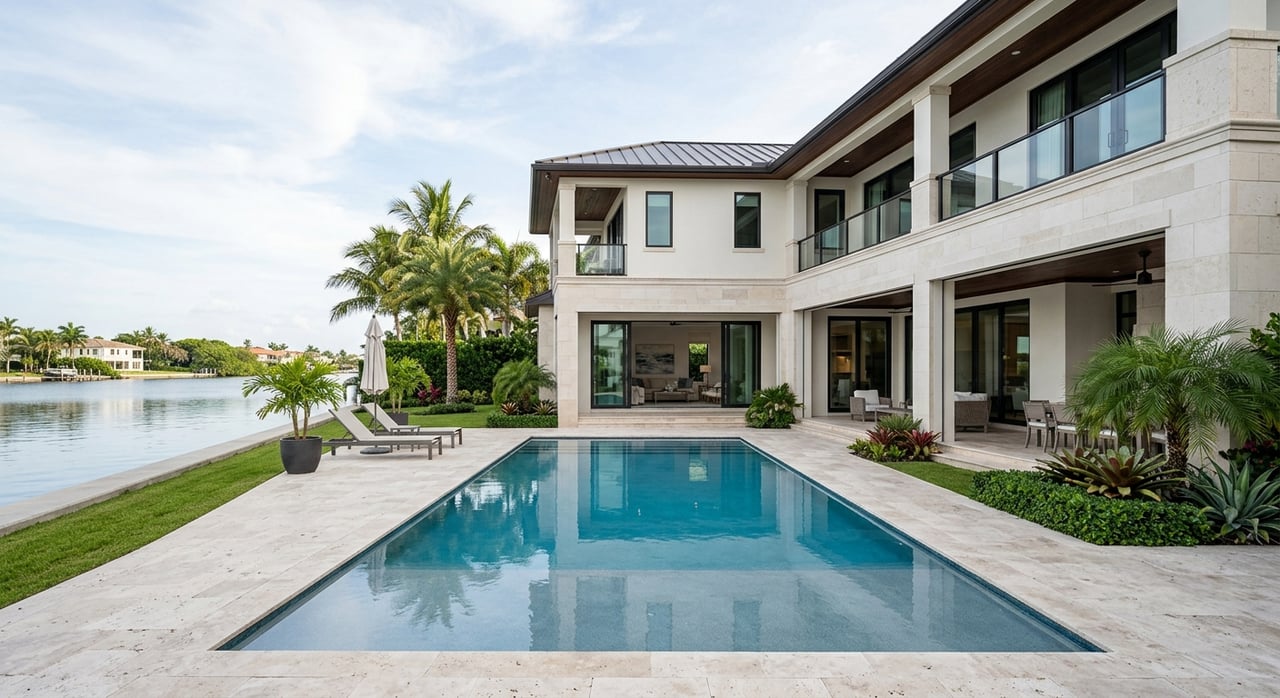
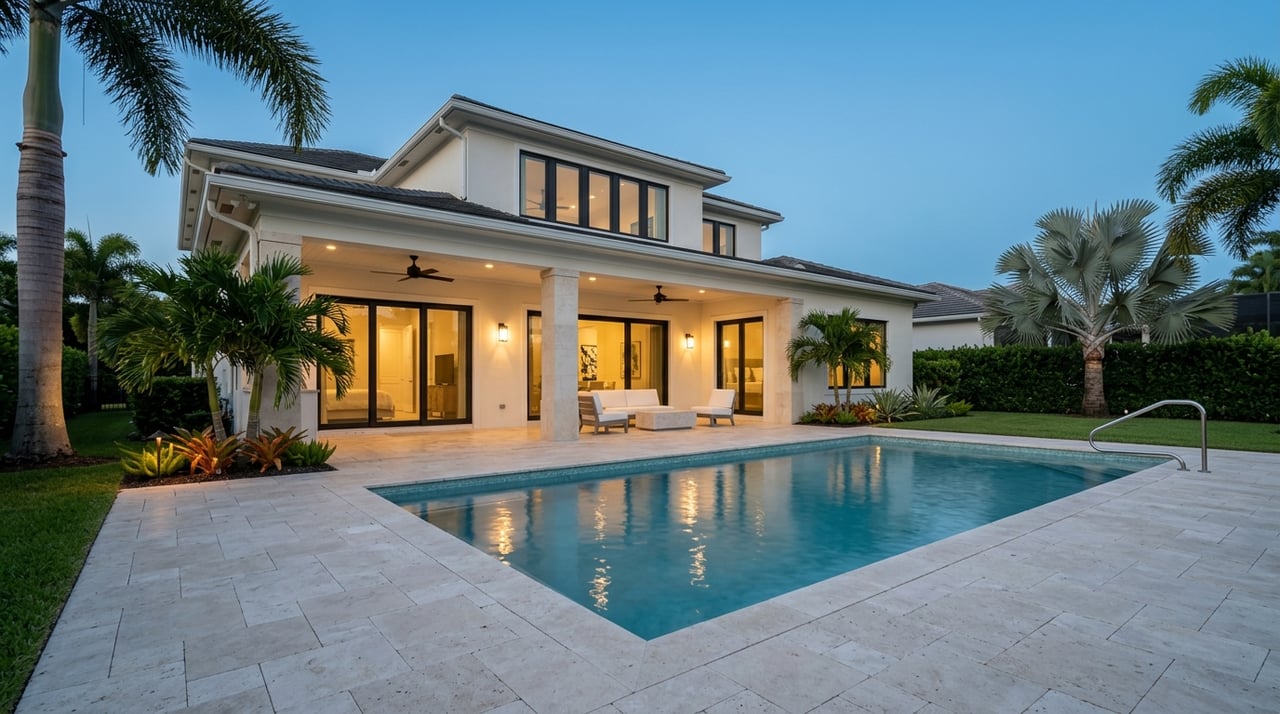
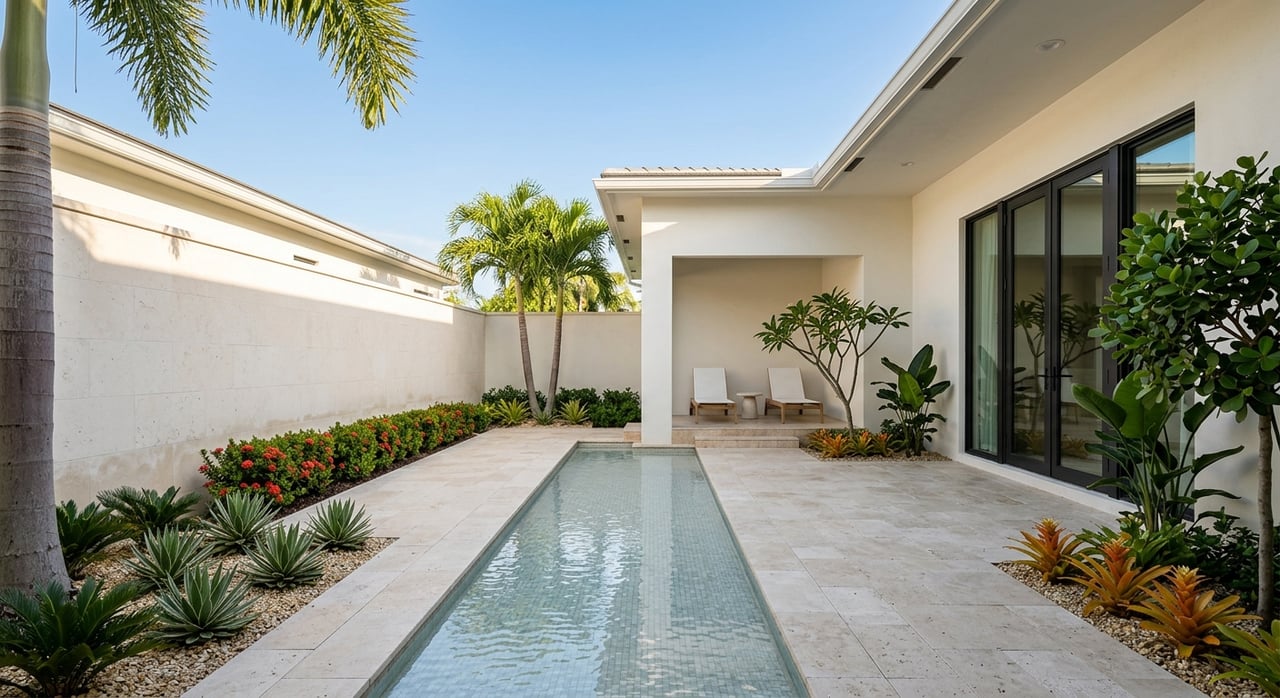
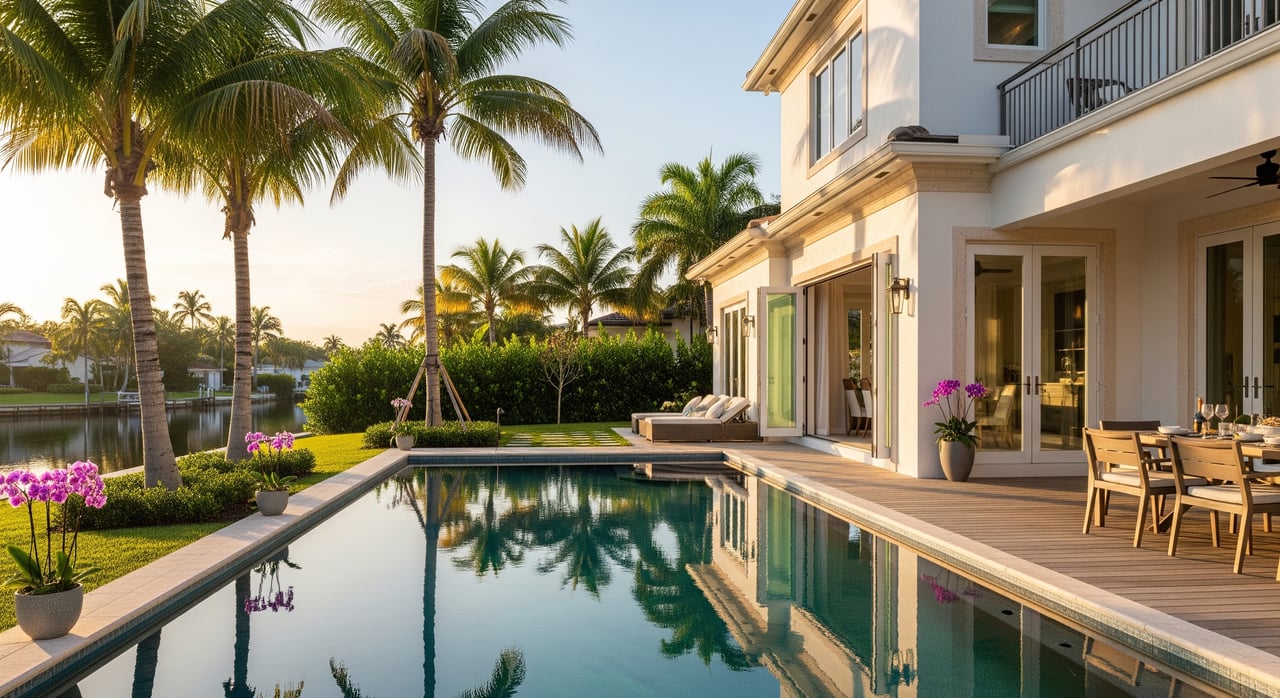
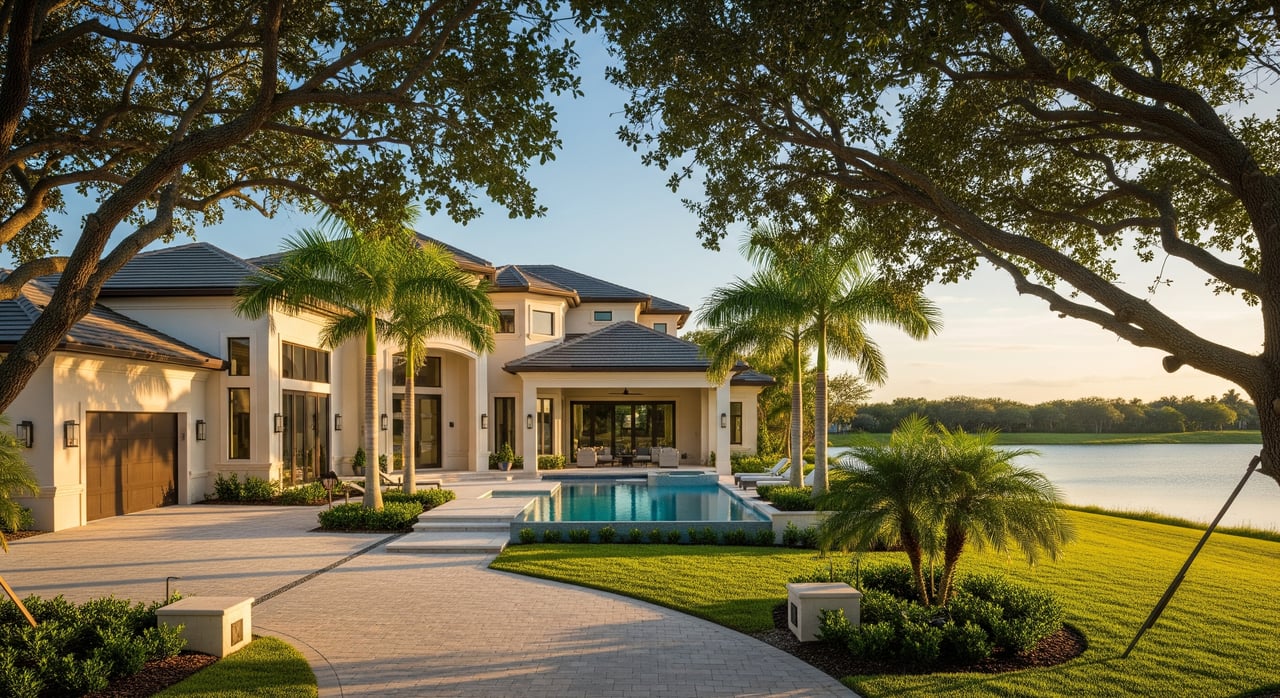
In South Florida, pools attract attention. Value depends on condition, age, and how it fits the lot. We compare similar homes with and without pools in your micro-market, then adjust based on observed premiums.
Impact-rated windows and wind mitigation
Impact glass and other mitigation features can reduce insurance costs and signal resilience. We look for sales that documented mitigation, and we incorporate any available wind mitigation reports so buyers can see the potential savings and value.
Roof age and documentation
A newer, permitted roof reduces near-term costs and often supports a price benefit. If a roof is nearing end of life, buyers may discount accordingly. We use comps with similar roof status, then reconcile with realistic replacement expectations.
Lot and outdoor living
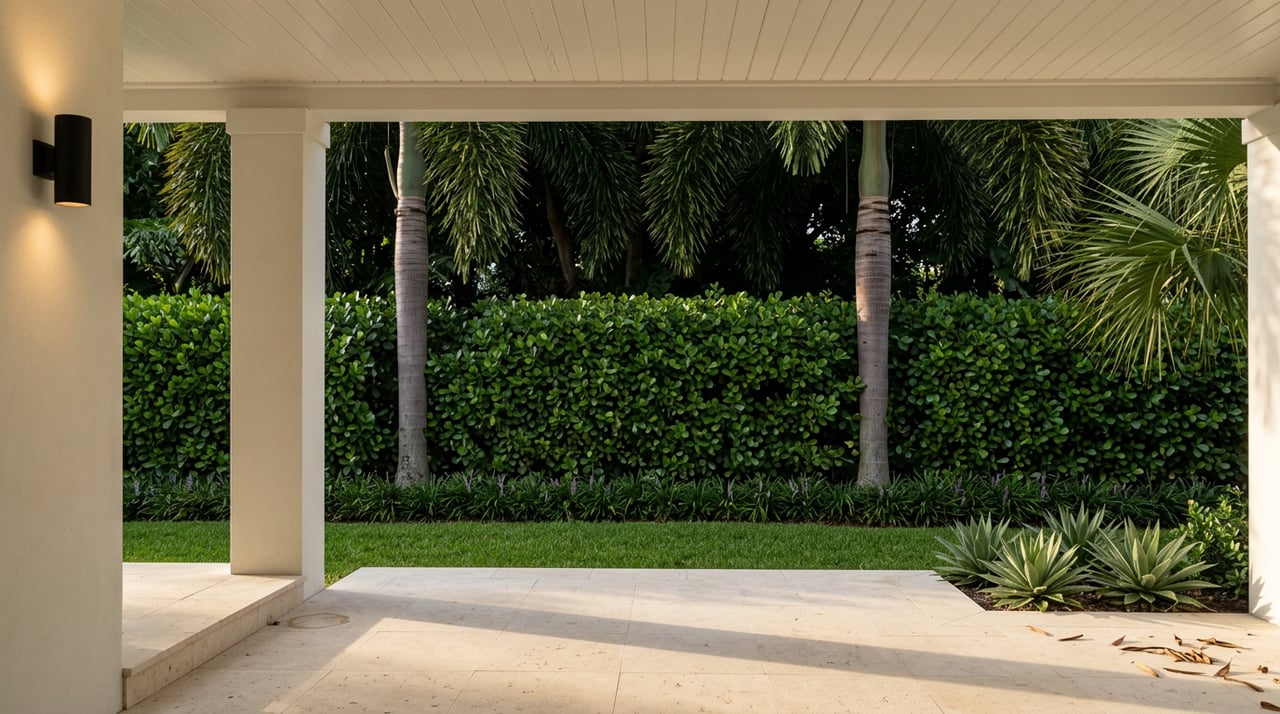
Backyard function drives value. Space for a pool, play area, or covered patio can justify a premium. We quantify this by comparing similar homes with different yard utility within your area.
Water access and docks
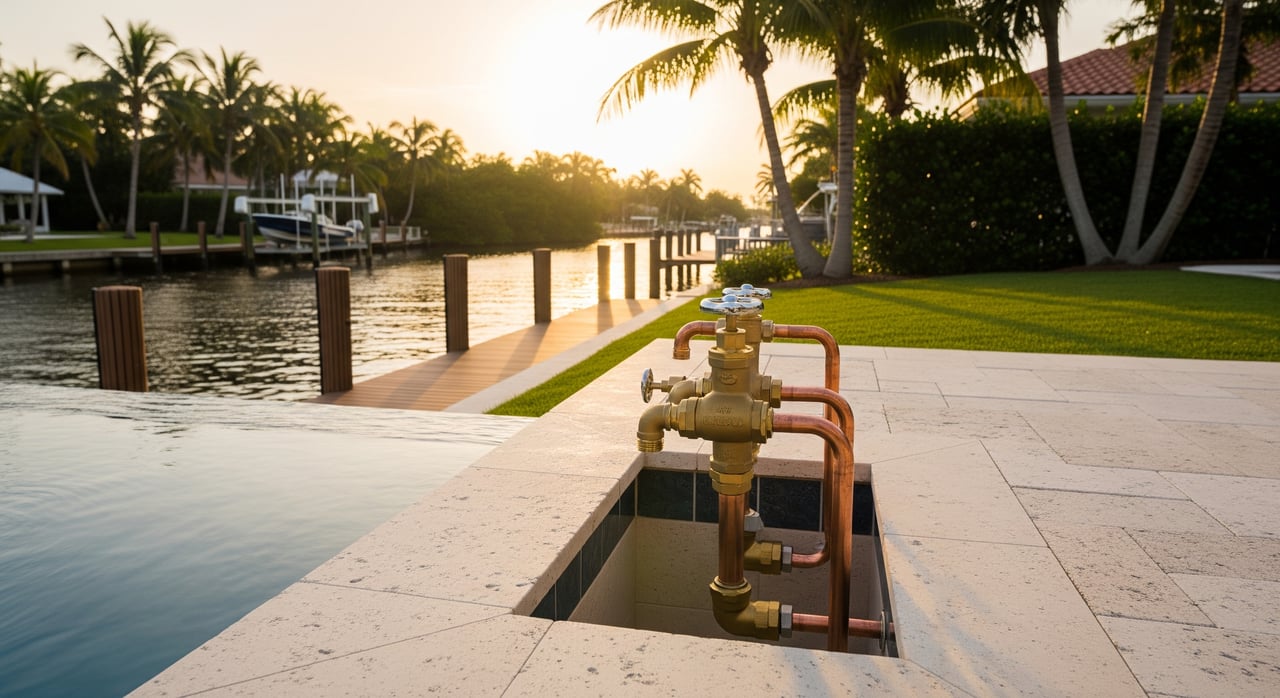
Navigable canal access and maintained seawalls can command premiums. We confirm water type and any maintenance responsibilities, then compare to recent waterfront and near-water sales.
Garage and functional parking
Covered parking and usable garage space are preferred features. If the garage was converted or parking is limited, we reflect that against true like-kind sales.
Bedrooms, baths, and layout
Full bath count and a functional bedroom with egress and closet are fundamental. We derive average per-bed and per-bath premiums from nearby closed sales and apply them with care.
Condition and finished upgrades
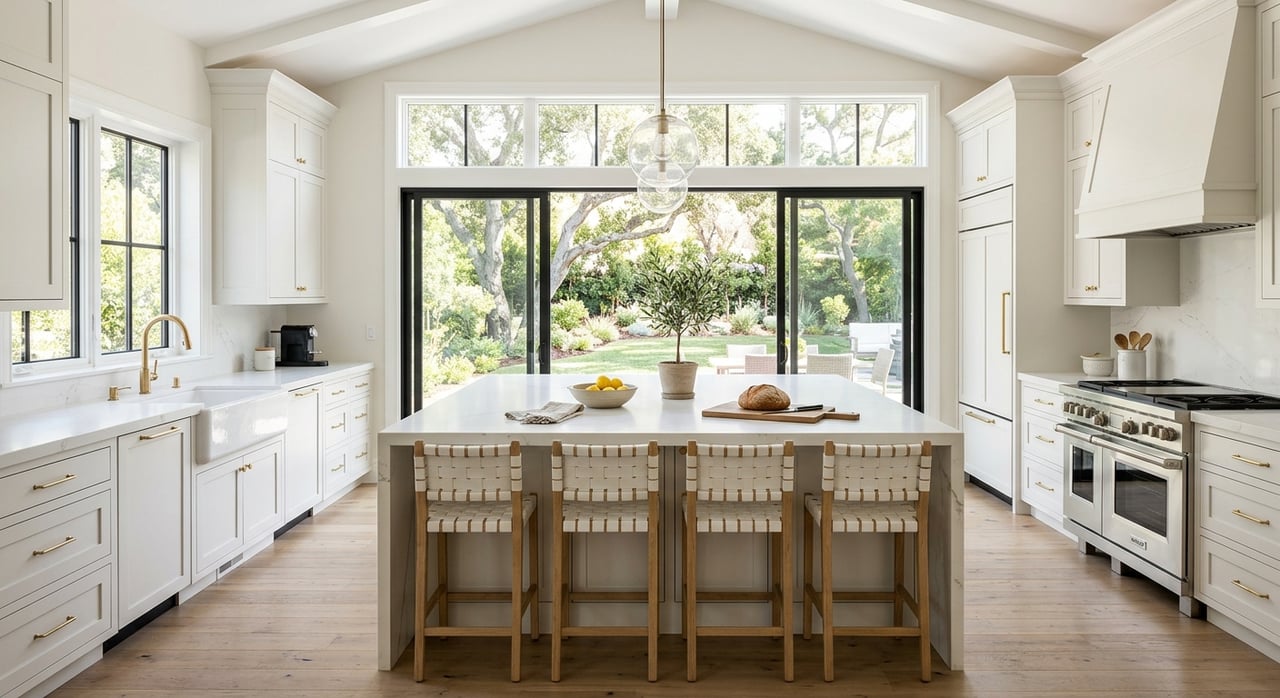
Quality and recency of improvements matter. Kitchens and baths typically have the strongest impact on buyer perception. We organize recent renovated versus original-condition comps to show the premium clearly.
Picking your launch price
Choosing a list price is both analytical and strategic. We help you align the approach with your timeline, risk tolerance, and the state of inventory.
Strategy A: Aggressive list-to-market
Price slightly below or at the low end of the CMA range to create urgency. This can spark multiple offers, reduce days on market, and work best if your home shows beautifully. The tradeoff is a lower initial anchor that could limit upside if demand is softer than expected.
Strategy B: Market or target pricing
List at the midpoint of the CMA range. You attract serious buyers while preserving negotiating room. This approach relies on strong presentation and marketing to support the price.
Strategy C: Test-the-market pricing
Price above the CMA range when uniqueness or thin inventory suggests possible upside. This can capture an exceptional result, yet it often extends time on market and may lead to future reductions if interest lags.
How we choose the best strategy
- Inventory and absorption. When months of supply is tight and similar homes move quickly, an aggressive list can pay off. When supply grows, market or slight-discount pricing is safer.
- Property condition versus competition. If you outperform nearby listings on updates and maintenance, a premium may be warranted. If buyers have many comparable options, sharper pricing helps you stand out.
- Your priorities. If speed and certainty matter most, choose the strategy that accelerates offers. If you will wait for the right price, a market or measured test may fit.
- Marketing strength. With professional presentation and wide distribution, pricing at market value tends to deliver strong outcomes.
Operational items that impact net proceeds
The number on your contract is only part of your final outcome. Prepared sellers tend to net more and close smoother.
Inspections and reports to gather or share
- General pre-listing inspection to identify and address issues early
- Wind mitigation inspection and certificate when available
- Roof certification, termite or WDO report, and septic or sewer status as relevant
- Flood elevation certificate and flood zone confirmation if applicable
Required disclosures in Florida
Provide a truthful written disclosure of known defects and material facts. This includes non-permitted work, past or current leaks, drainage concerns, and boundary matters. Upfront clarity supports stronger pricing and reduces renegotiation risk.
Closing costs and concessions
Plan for seller-paid closing costs, HOA estoppel fees, and potential credits for repairs or buyer closing costs. We model your estimated net at several price points so you can make informed decisions.
Timing and seasonality
Relocation cycles and snowbird patterns influence showing traffic. We review recent absorption by month so your launch timing can match likely buyer activity.
Your seller-ready checklist
- Gather permits and paperwork for any remodels or replacements
- Compile roof age, HVAC age, and major system invoices
- Order a wind mitigation inspection if you have impact features
- Collect HOA documents, fee schedules, and community rules
- Locate prior surveys, elevation certificates, and any dock or seawall records if near water
- Prepare recent utility bills and insurance information for buyer context
- Complete the property disclosure form fully and accurately
What to expect after launch
We monitor showings, online interest, and feedback daily, then meet at the 14 day mark to review performance against local days-on-market for your price band. If traffic or offer quality trails expectations, we recommend precise adjustments to price, positioning, or both. Quick iteration keeps your listing competitive and protects your final outcome.
Ready to price with confidence?
If you want a clear, data-backed price and a plan tailored to your Coral Springs micro-market, we are ready to help. Our team combines deep local expertise with high-quality marketing to reach the right buyers and support your price with facts. Start with a conversation and a pricing review that fits your goals.
Talk with Steven Kaminer to request a complimentary valuation and a custom strategy for your home.
FAQs
How do you choose comparables in Coral Springs?
- We prioritize recent sales within your subdivision or closest micro-market, then match on lot type, size, renovation level, and bath count before making documented adjustments.
Do impact windows raise value in Broward County?
- Impact-rated windows and other wind mitigation features are viewed favorably by buyers and insurers, and they can support higher pricing when verified with inspections and paired-sales evidence.
Should I price high to leave room to negotiate?
- Testing the market can work for unique homes, but it often increases days on market and leads to reductions, so we align strategy with inventory, your timeline, and competitive position.
How do pools affect my Coral Springs home price?
- Pools can attract more buyers, and we measure the premium by comparing similar recent sales with and without pools in your micro-market, adjusted for pool age and condition.
What documents help buyers feel confident about my price?
- Pre-listing inspection, wind mitigation report, roof certification, HOA documents, permits for upgrades, and any flood or elevation certificates give buyers clarity and support your pricing.