Are you relocating to Coral Springs and wondering why Florida property insurance feels so different? You are not alone. Florida’s hurricane exposure, underwriting rules, and lender requirements can change your monthly payment and your closing timeline. In this guide, you will learn the essential policy types, how hurricane deductibles work, which inspections matter, and what your lender will require so you can plan with confidence. Let’s dive in.
Florida insurance in Broward: what to expect
Florida is a high‑catastrophe market with risk from hurricanes, strong wind, and heavy rain. That risk influences premiums, underwriting, and availability. Through recent years, some carriers have tightened guidelines or nonrenewed policies, and more buyers have relied on Citizens Property Insurance Corporation when private options are limited. You should confirm current conditions with the Florida Office of Insurance Regulation and a local agent.
Coral Springs is inland within Broward County, so storm surge exposure is generally lower than on the beach. Wind and heavy rain still matter for underwriting and pricing. Roof age, permit history, and features like impact windows can affect eligibility and discounts. Expect more documentation requests than in lower‑risk states and plan time to gather inspections.
Policy types and coverage you will see
Homeowners policy forms
- HO‑3: The most common policy for single‑family homes. It generally covers the dwelling on an open‑perils basis, with personal property often on named perils.
- HO‑6: For condo unit owners. It covers interior elements and contents, while the building’s master policy covers the structure.
- DP (Dwelling Fire): Often used for rentals or some older properties. It is less common for primary owner‑occupied homes.
Always review the declarations page and endorsements because forms and features vary by carrier.
Core coverages explained
- Coverage A — Dwelling: The structure itself, usually at replacement cost.
- Coverage B — Other structures: Detached garages, fences, or sheds.
- Coverage C — Personal property: Contents inside your home. This may be replacement cost or actual cash value.
- Coverage D — Loss of Use: Additional living expenses if the home is uninhabitable.
- Coverage E — Personal liability: Protection if someone is injured and you are legally responsible.
- Medical payments to others: Limited coverage for minor guest medical costs.
Add‑ons, exclusions, and separate products
- Wind/hurricane coverage: Typically included in the homeowners policy, but subject to special deductibles and definitions. Some carriers separate wind or hurricane triggers in policy language.
- Flood insurance: Not included in standard homeowners insurance. Lenders require flood insurance when a property lies in a FEMA Special Flood Hazard Area. You can purchase flood coverage through the NFIP or a qualifying private carrier if it meets lender standards.
- Sinkhole coverage: Available in Florida with carrier‑specific rules and thresholds.
- Optional endorsements: Water backup, identity theft, equipment breakdown, and ordinance or law coverage that helps with code‑required upgrades after a loss. This can be important in areas with strict building codes.
Condition and underwriting checks
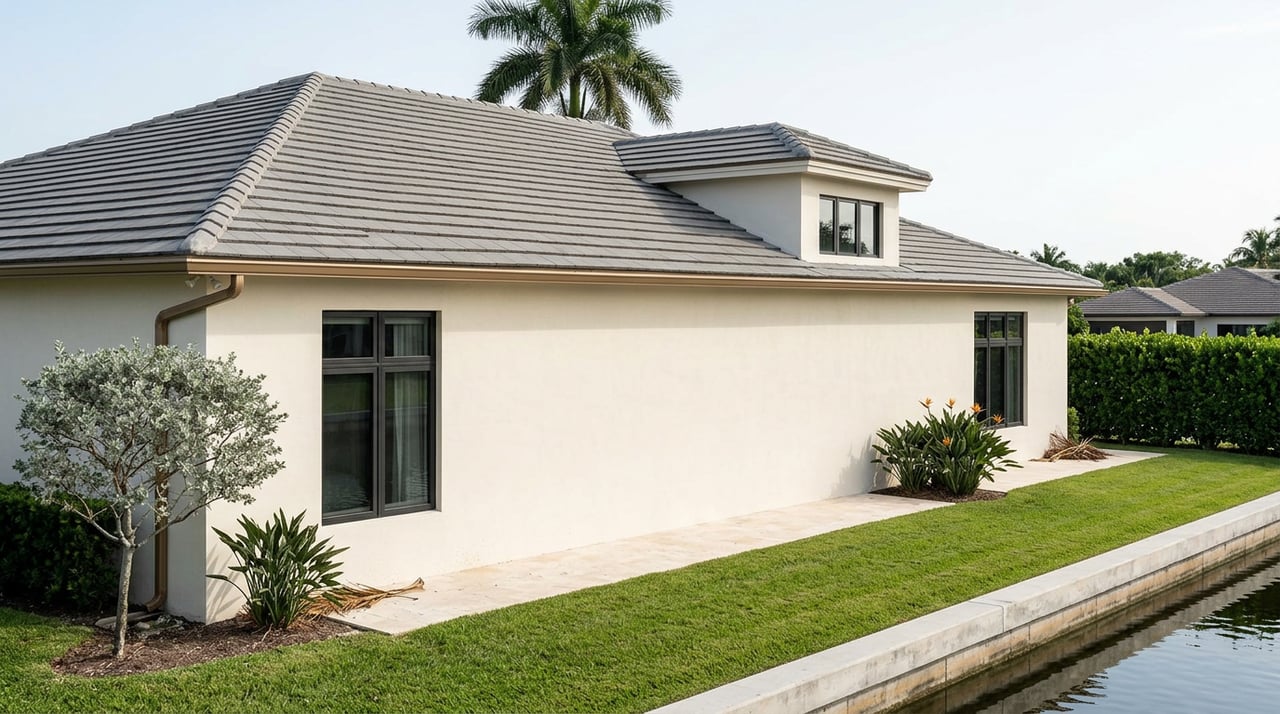
Insurers pay close attention to roof age and condition, electrical and plumbing systems, and documented improvements. Proper permitting on prior work helps avoid underwriting issues. Features like hip roofs, impact‑resistant windows, and roof‑to‑wall connections often improve eligibility and price.
Hurricane deductibles and savings options
How deductibles work in Florida
You will see two deductible types:
- Dollar‑amount deductible for most non‑hurricane perils such as fire or theft. Common amounts range from $500 to $2,500.
- Percentage‑based hurricane or wind deductible expressed as a percentage of Coverage A. Typical options are 1%, 2%, 2.5%, 3%, or 5%, depending on the carrier.
For example, if Coverage A is $400,000 and you choose a 2% hurricane deductible, you would pay the first $8,000 of hurricane‑related structural damage. Carriers define what triggers the hurricane or wind deductible differently, so read the policy terms.
Wind mitigation credits that lower premiums
Wind mitigation credits reward features that reduce wind damage risk. You can often capture savings with:
- Newer roof covering and documented roof age
- Stronger roof deck attachment and roof‑to‑wall connectors
- Secondary water resistance underlayment
- Impact‑rated windows or approved shutters
- Hip roof design
To apply credits, schedule a licensed wind mitigation inspection and submit the report to your insurer. Savings vary by carrier and the combination of features, but multiple mitigations can produce meaningful annual reductions.
Other inspections that influence price
- 4‑Point inspection: Common for older homes. It focuses on roof, electrical, HVAC, and plumbing.
- Roof certification: Some carriers accept a roofer’s certification of remaining life or condition.
- Full home inspection: Helpful for you, but separate from insurer requirements.
If an insurer requires repairs before binding coverage, get estimates early to avoid delays.
Lender requirements and closing timeline
What your lender needs before closing
Your lender will require proof of hazard insurance listing the lender as mortgagee and loss payee. Coverage typically must meet the loan amount or the replacement cost of the dwelling, depending on program rules. If the property lies in a FEMA‑mapped Special Flood Hazard Area, the lender will also require flood insurance that meets minimums for the loan product.
Many lenders require escrow for taxes and insurance. This increases your monthly payment because the lender collects 1/12 of your annual premiums and taxes each month.
How long it takes to bind coverage
For straightforward properties with current inspections, you can often secure a binder within 1 to 5 business days once you provide details. If you need a wind mitigation report, a 4‑Point inspection, or roof documentation, expect more time. Older roofs, missing permits, or required repairs can extend binding by 1 to 4 weeks. If private carriers decline the risk, eligibility checks for Citizens can add steps.
How insurance changes your monthly payment
Your monthly housing payment includes principal, interest, taxes, and insurance. In Florida, the insurance portion often represents a larger share than in lower‑risk states. If you choose a higher hurricane deductible, the premium may drop, but your out‑of‑pocket cost after a storm would be higher. Wind mitigation credits, a newer roof, or impact‑rated openings can reduce the premium and lower your monthly escrow.
Escrow and at‑closing costs
Lenders typically collect the first year of homeowners insurance at closing. If flood insurance is required, that premium is separate. Plan for these amounts upfront and share your insurance binder with your lender as soon as coverage is bound.
Step‑by‑step checklist for Coral Springs buyers
Before you write an offer
- Ask the listing agent for roof age, permits, and any existing wind mitigation or 4‑Point reports.
- If buying a condo, request details on the association’s master policy.
- Review FEMA flood maps or ask your lender whether the property lies in a Special Flood Hazard Area.
- Identify a Broward‑area insurance agent early to discuss carrier fit and needed inspections.
Once you are under contract
- Request homeowners quotes from multiple admitted carriers and ask about Citizens eligibility if needed.
- Order required inspections promptly: wind mitigation, 4‑Point for older homes, or roof certification if requested.
- If an insurer requires repairs for eligibility, schedule the work immediately to avoid delays.
- Deliver the insurance binder naming your lender as mortgagee to the lender as soon as you bind coverage.
Documents to have ready
- Property address, year built, construction type, and square footage
- Roof age and covering, presence of impact windows or shutters, recent permit history
- Desired coverage limits or request a replacement cost estimate from your agent
- Lender name, loan number, and your closing date for loss payee wording
Ways to reduce premium or smooth binding
- Complete a wind mitigation inspection to capture credits
- Replace or certify the roof if it is near insurer age limits
- Consider a higher hurricane deductible after weighing claim‑time costs
- Install approved opening protection if you plan upgrades
- Compare multiple carriers through a local independent agent
Common pitfalls that delay closing
- No wind mitigation or 4‑Point inspections on an older home
- Roof age uncertainty or missing permits that trigger underwriting questions
- Late flood insurance binder for properties in Special Flood Hazard Areas
- Pre‑closing repair requirements when contractors are backlogged
Bringing it all together
Florida’s property insurance landscape is different, but you can navigate it with a plan. Confirm policy form and coverages, understand hurricane deductibles, get wind mitigation credits where possible, and meet lender binder requirements early. With the right steps, you can protect your Coral Springs home and keep your closing on schedule.
If you are moving to Coral Springs or nearby Broward communities and want a smooth purchase, reach out to Steven Kaminer. Our team coordinates timelines with your lender and closing partners so you can buy with clarity and confidence.
FAQs
What does Florida homeowners insurance typically cover in Coral Springs?
- Most HO‑3 policies include the dwelling, other structures, personal property, loss of use, and personal liability, subject to policy limits and exclusions.
Is flood insurance separate from homeowners insurance in Broward County?
- Yes. Flood insurance is not part of a standard homeowners policy and is required by lenders when a property is in a FEMA Special Flood Hazard Area.
How do hurricane deductibles work on a $400,000 dwelling limit?
- If your policy has a 2% hurricane deductible, you would pay the first $8,000 of covered hurricane damage before insurance contributes.
What is a Florida wind mitigation inspection and why does it matter?
- A licensed inspector documents features like roof attachment, opening protection, and roof shape; insurers use the report to apply possible premium credits.
What are my options if private carriers decline my Broward property?
- You may be eligible for Citizens Property Insurance Corporation, which serves as Florida’s insurer of last resort with its own eligibility rules.
Do Coral Springs condo buyers need different coverage than single‑family buyers?
- Yes. Condo buyers typically carry an HO‑6 policy for interior and contents, while the association’s master policy covers the building’s exterior and common areas.