What does a typical day look like in Coral Springs? If you want a quieter suburban pace with room to breathe, parks to explore, and steady access to Broward and Palm Beach job hubs, this city often checks the boxes. You might be trading late-night hotspots for youth sports fields and weekend errands close to home, but you gain predictability and convenience.
In this guide, you’ll get a clear picture of commutes, housing styles, parks and programs, schools, healthcare, climate, and everyday costs so you can decide if Coral Springs fits your lifestyle. You’ll also find practical tips to help you shop smarter and plan your move with confidence. Let’s dive in.
Where Coral Springs fits in Broward
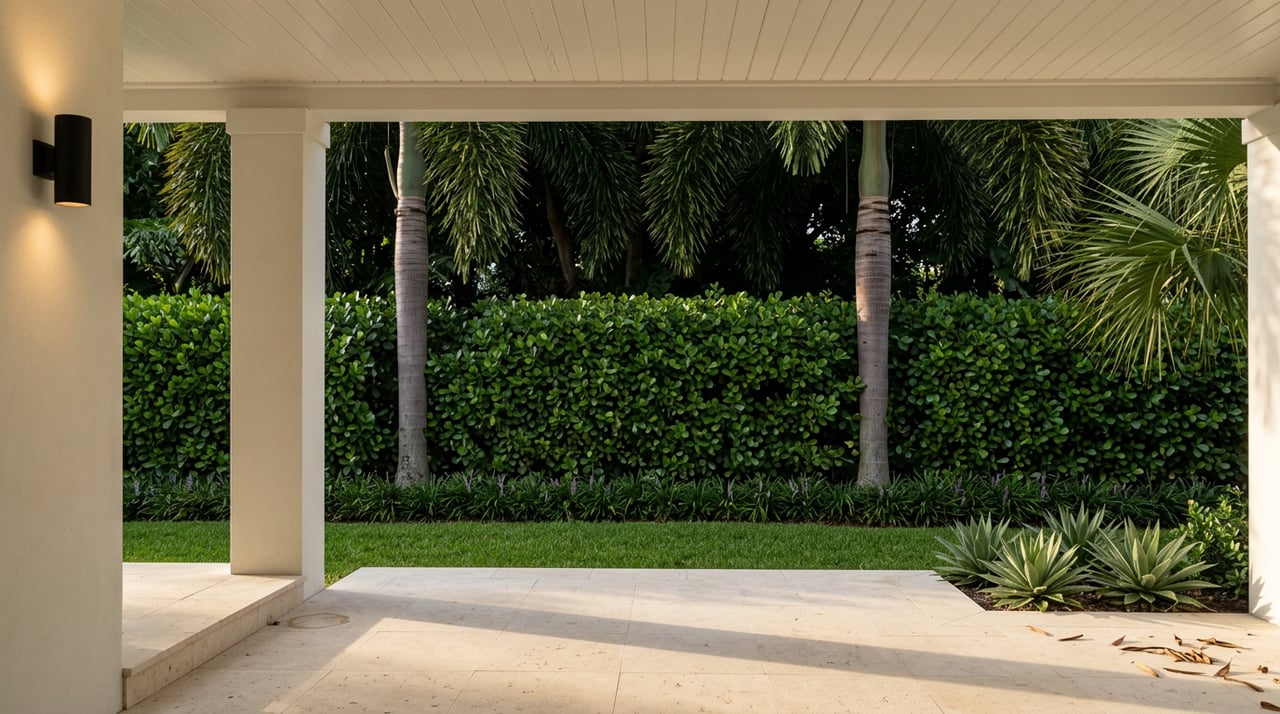
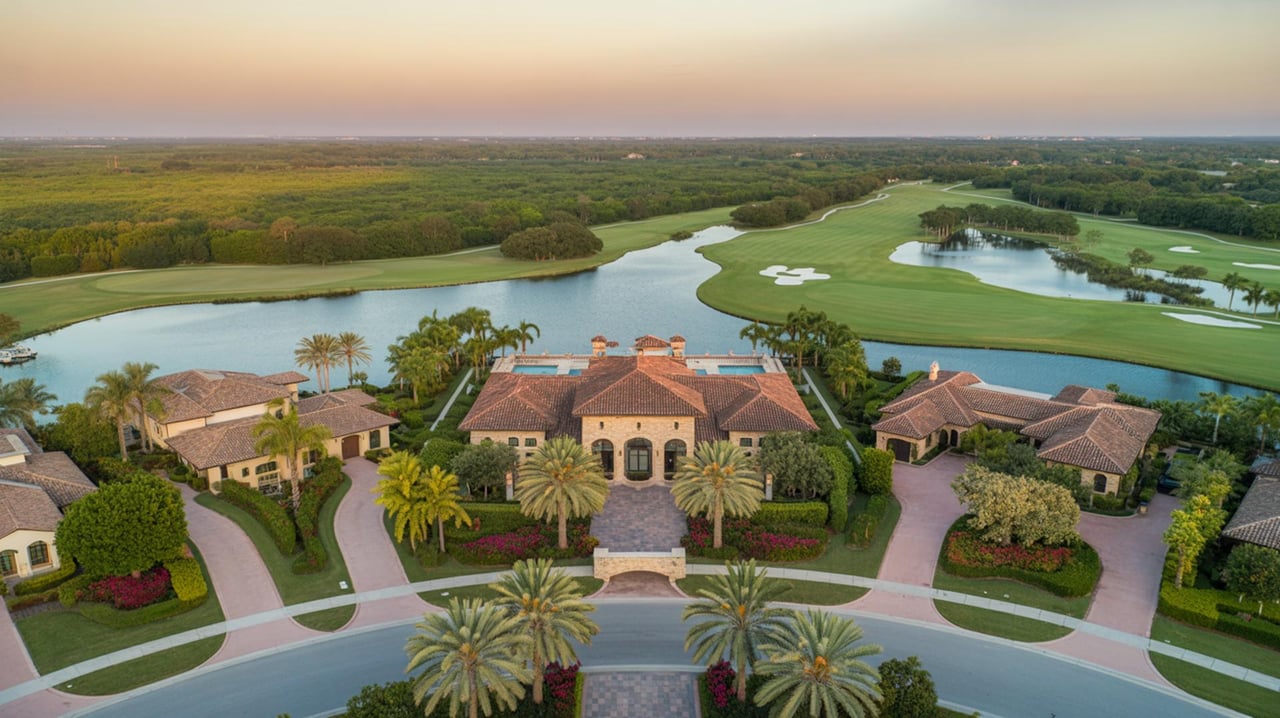
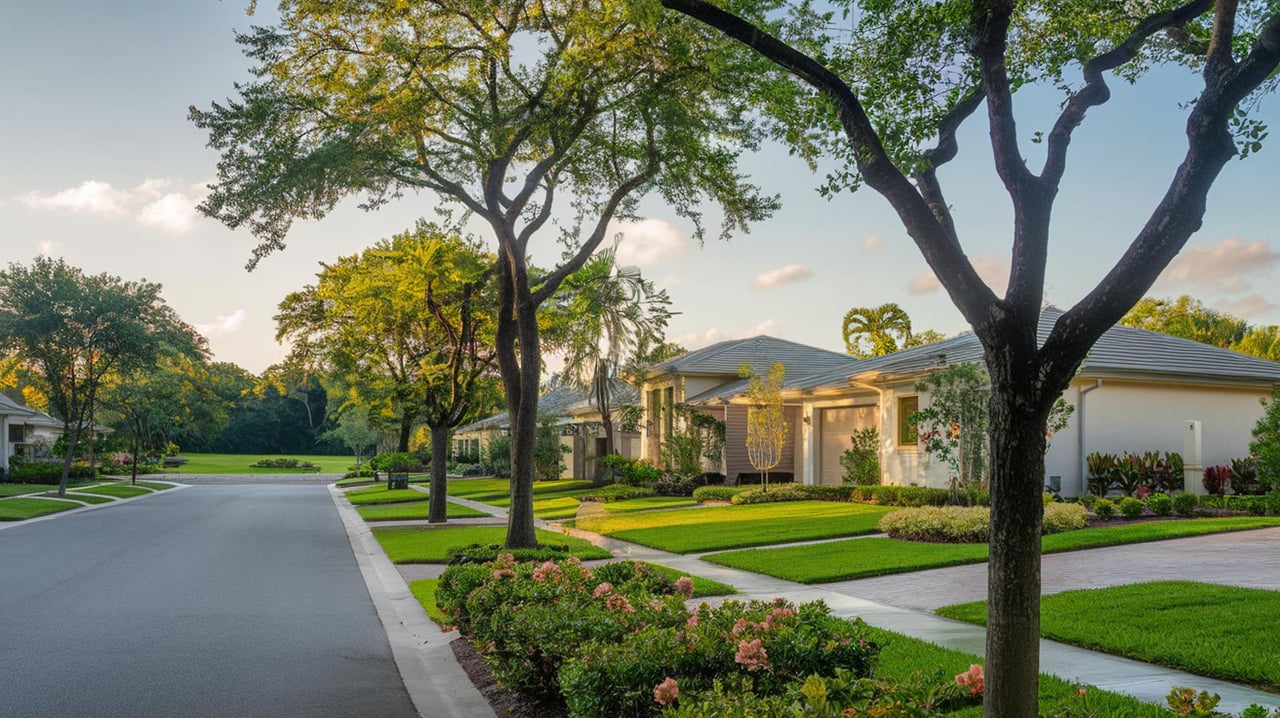
Coral Springs sits in northwest Broward County, inland from the beaches and part of the Fort Lauderdale–Pompano Beach–Deerfield Beach metropolitan area. It was developed as a planned suburban community starting in the 1960s and 1970s, which is why many neighborhoods feel organized, tree-lined, and residential.
You’re close enough to Fort Lauderdale and Boca Raton for work and culture, yet far enough from coastal congestion to feel residential and relaxed. The city’s audience tends to be professionals and families who want suburban living with access to larger employment centers.
Homes and neighborhoods: what you’ll find
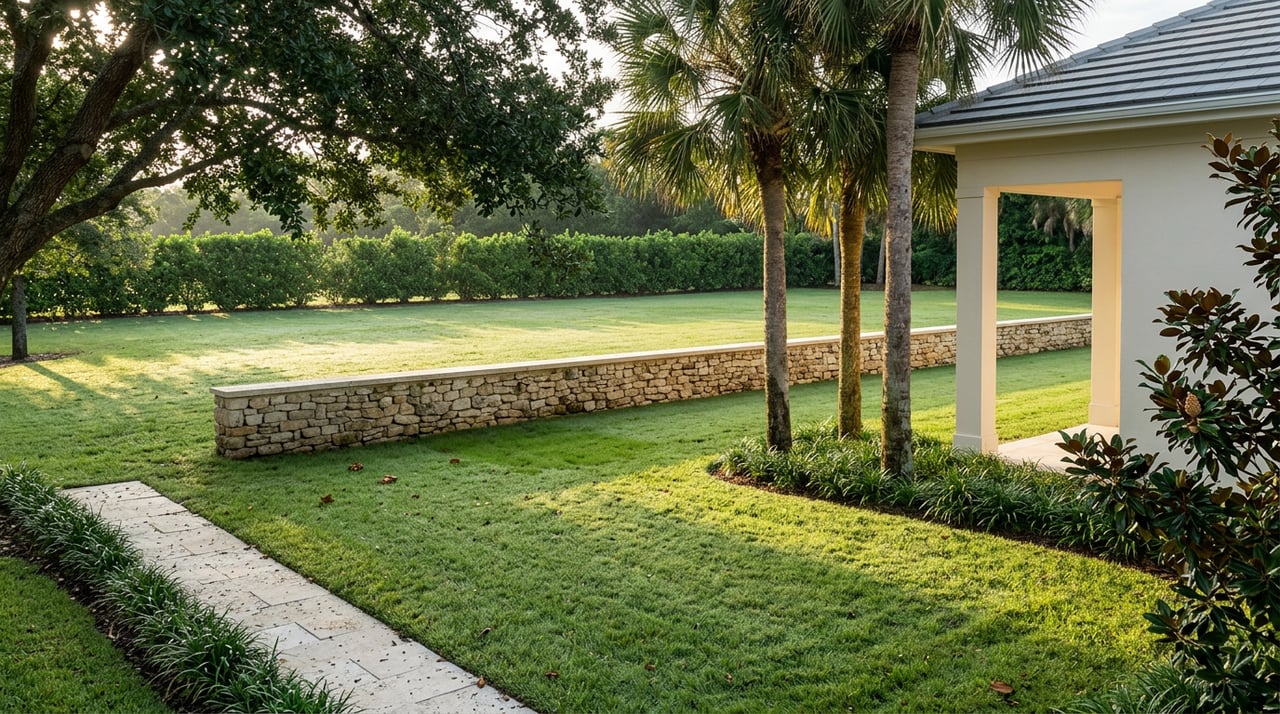
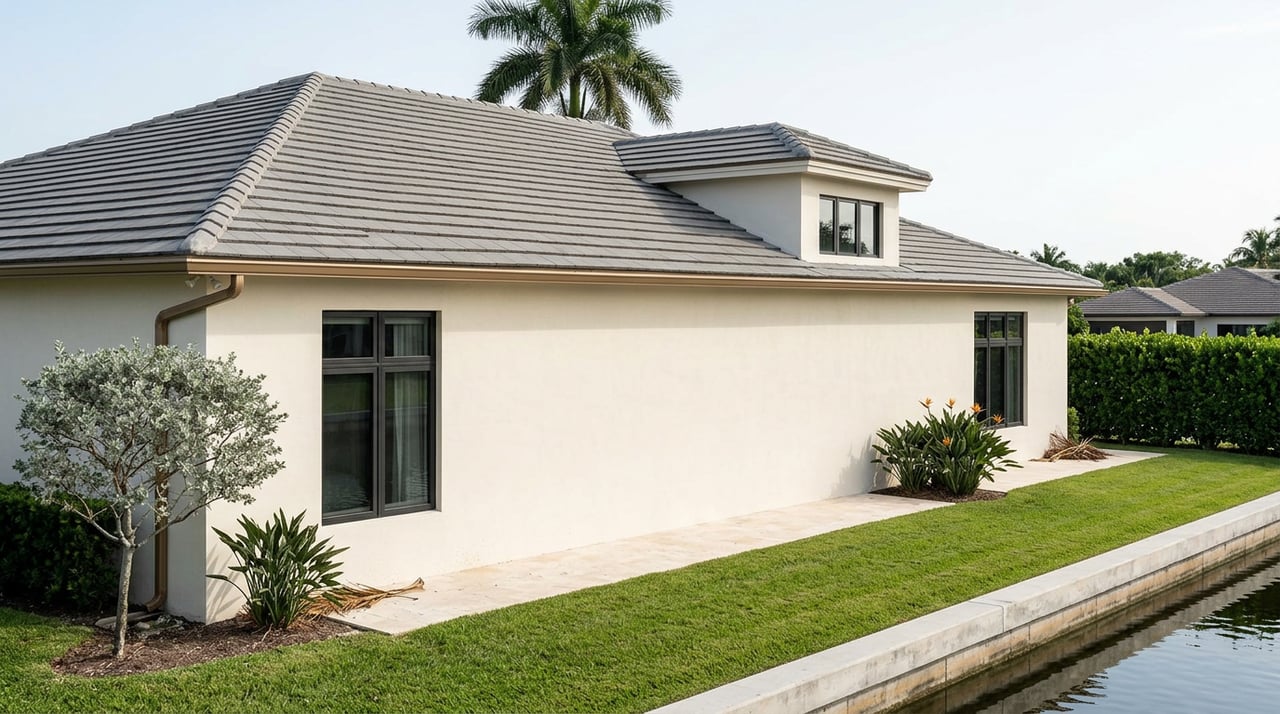
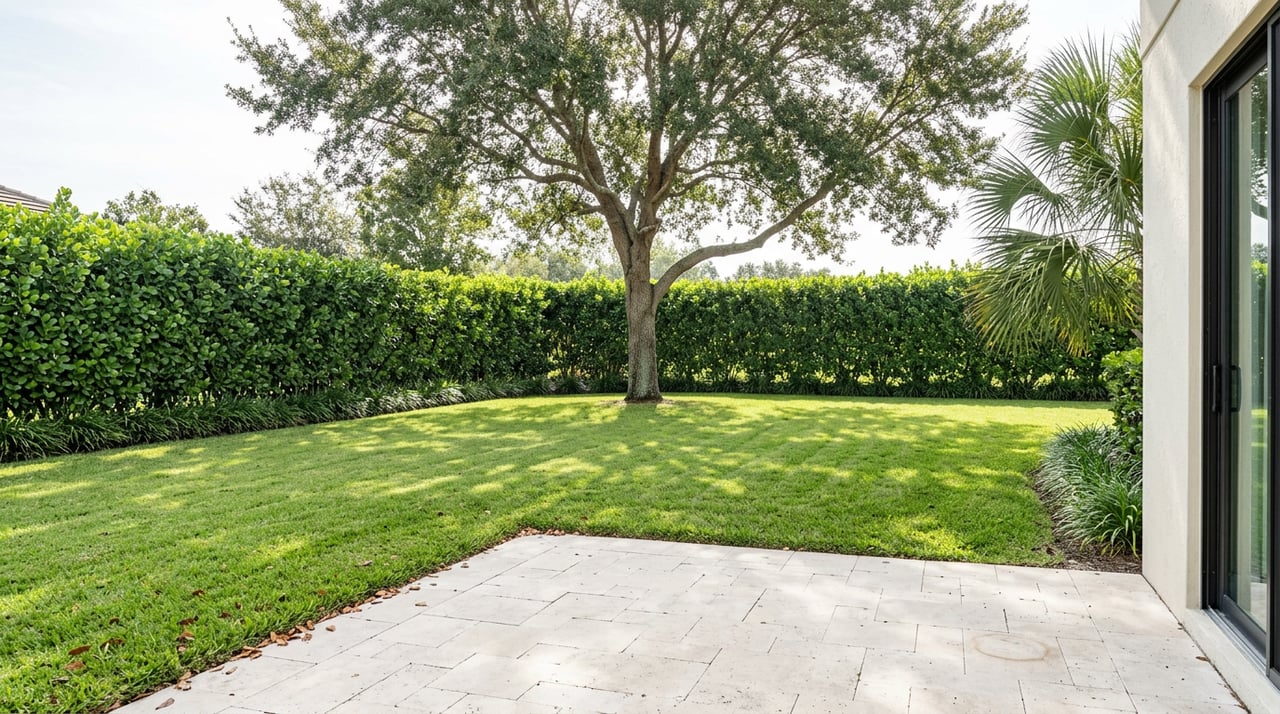
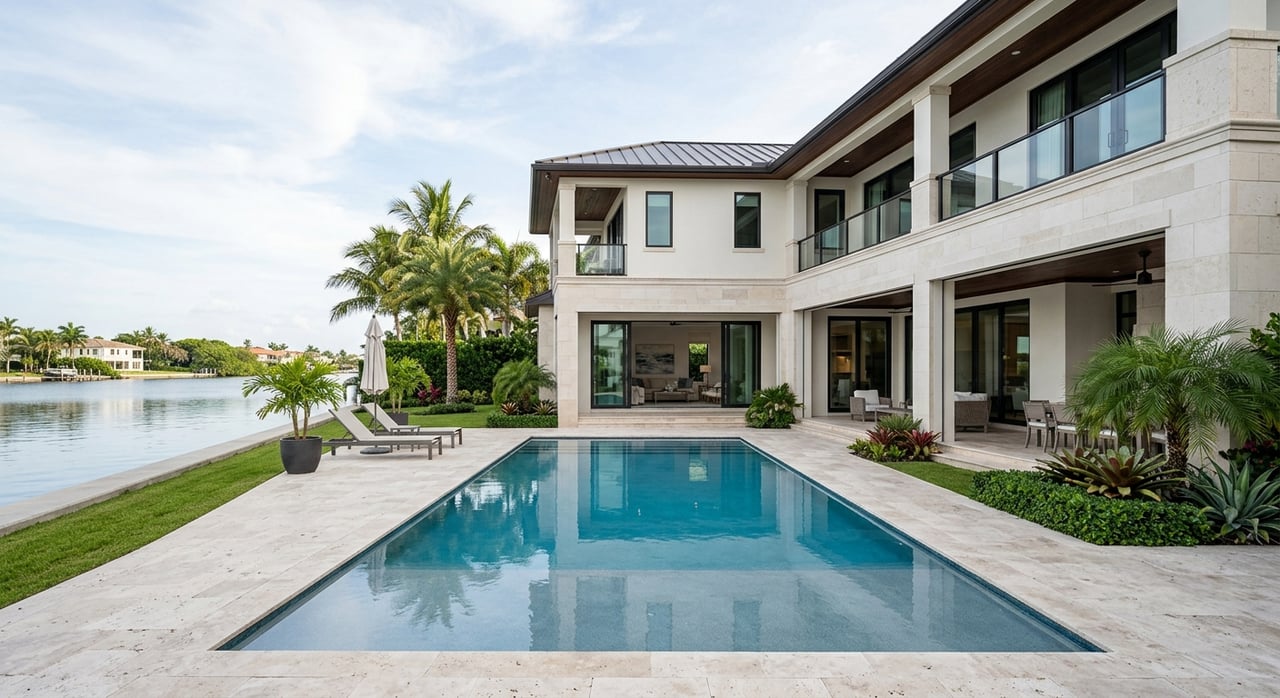
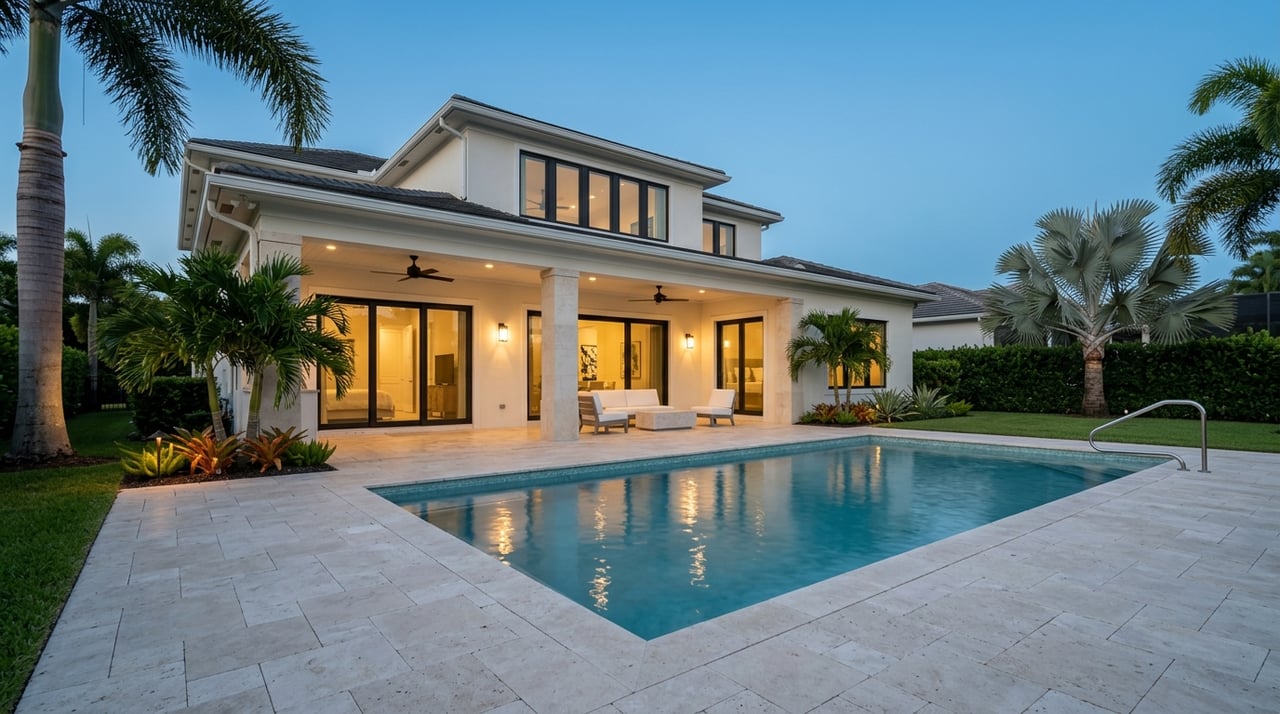
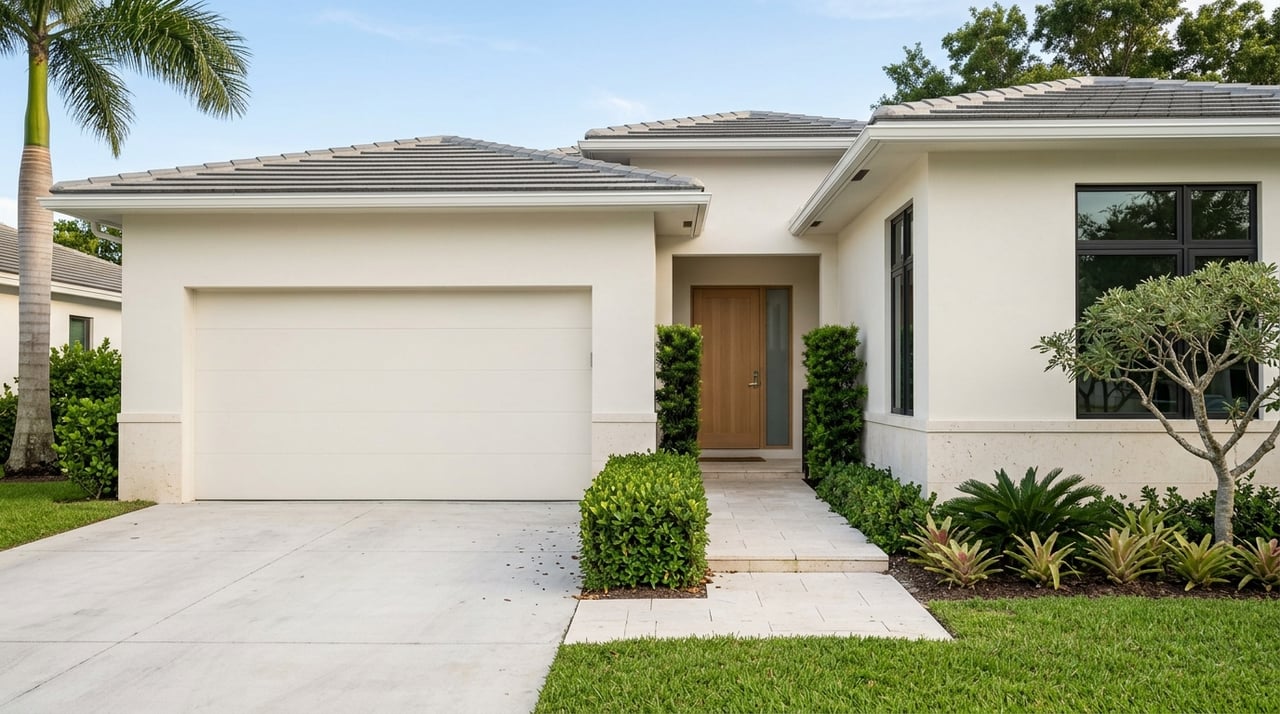
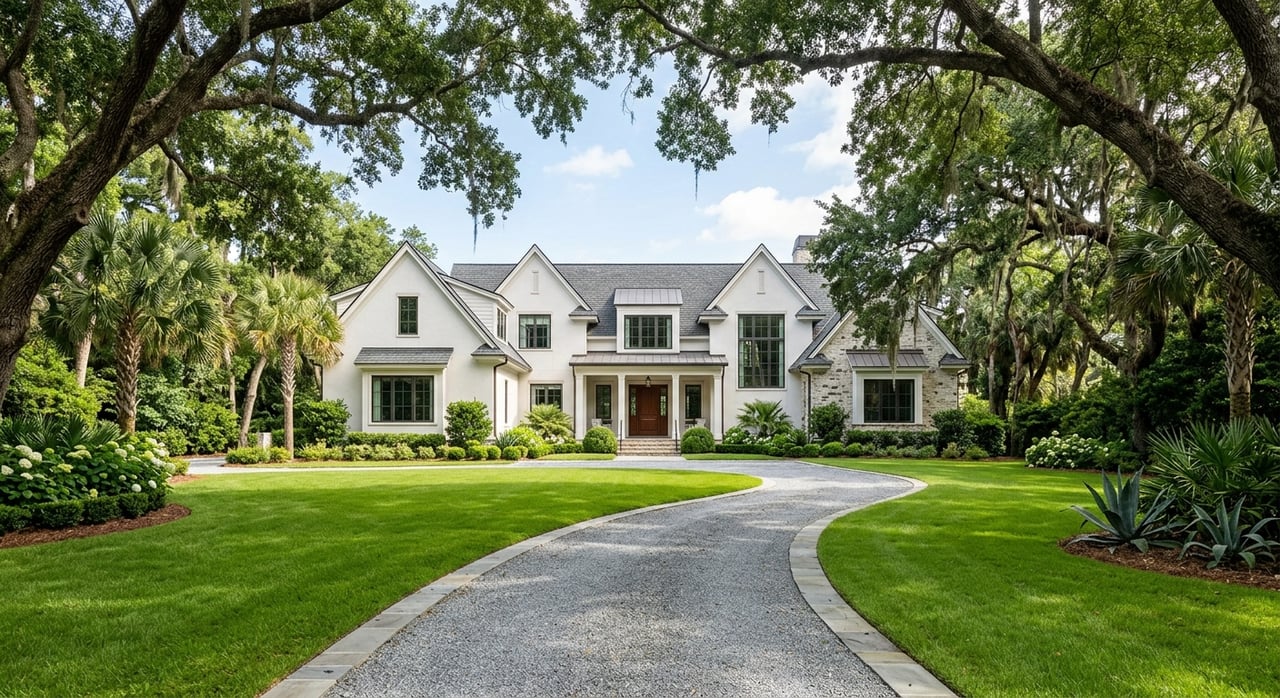
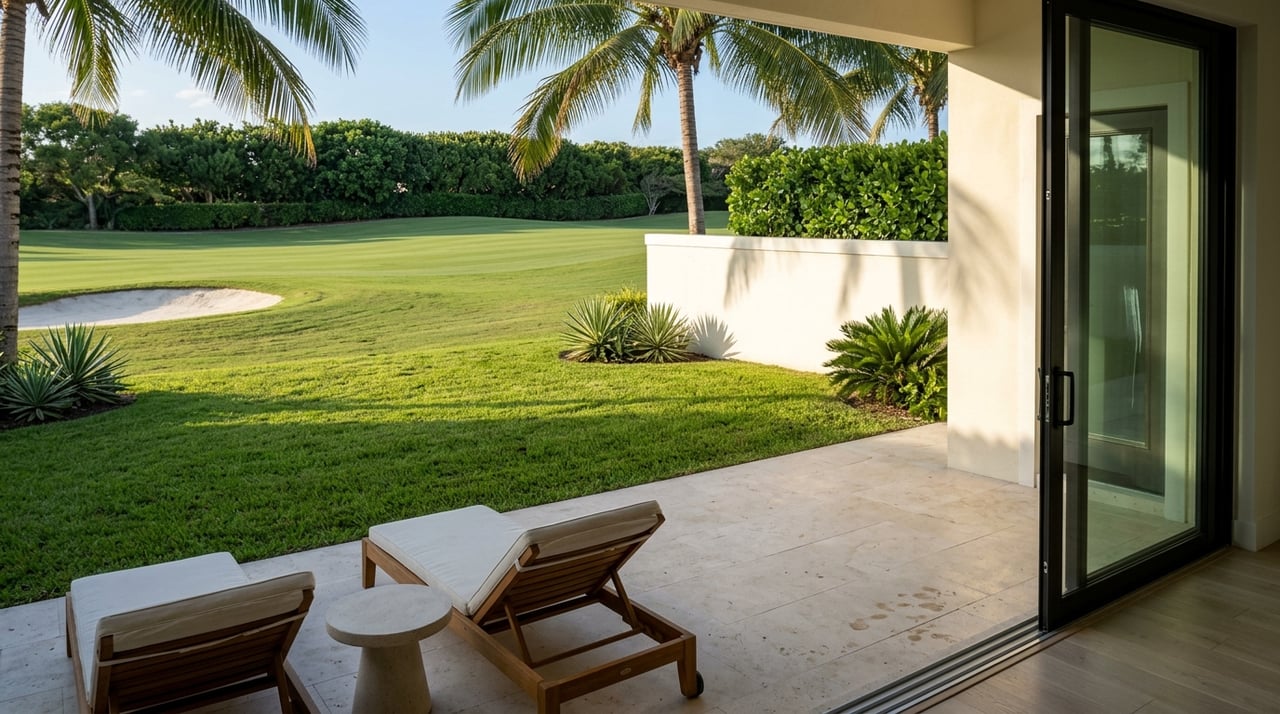
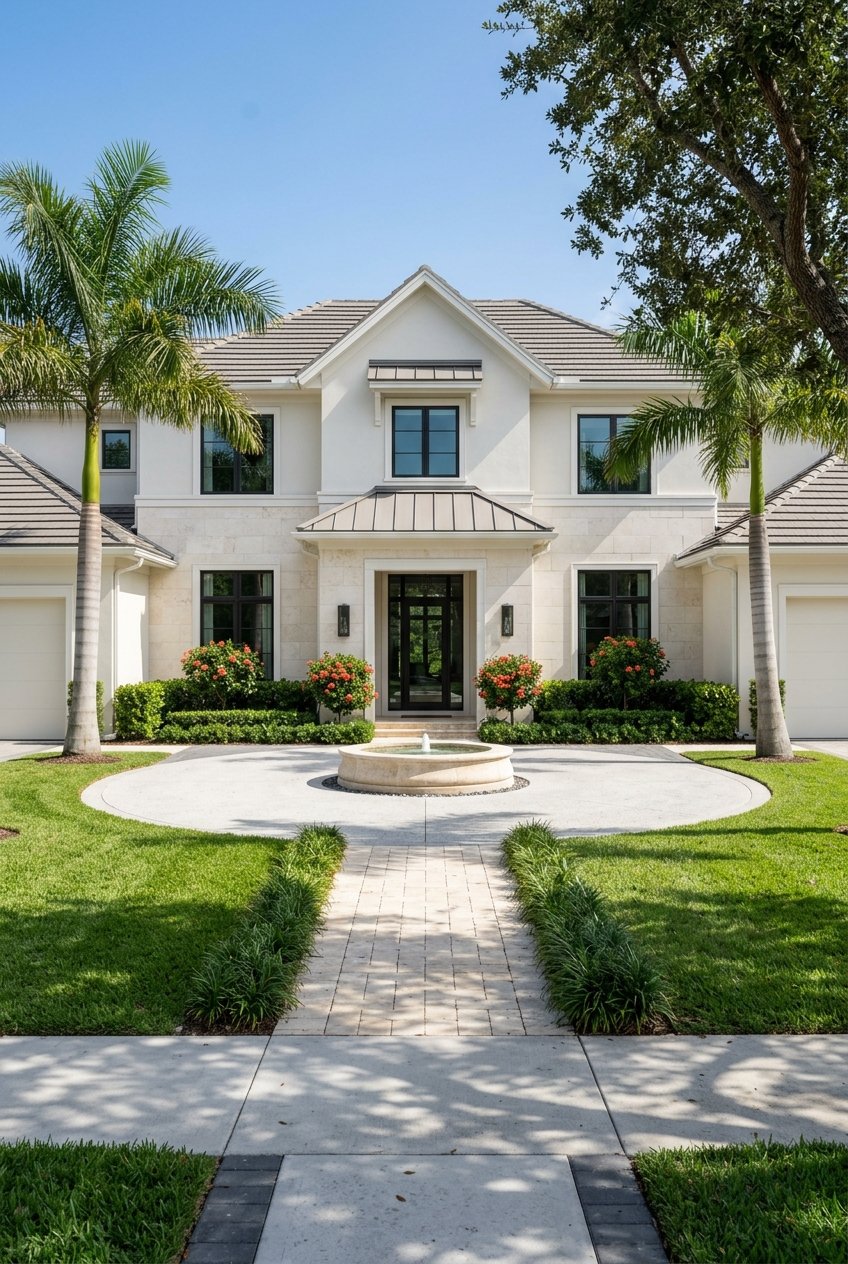
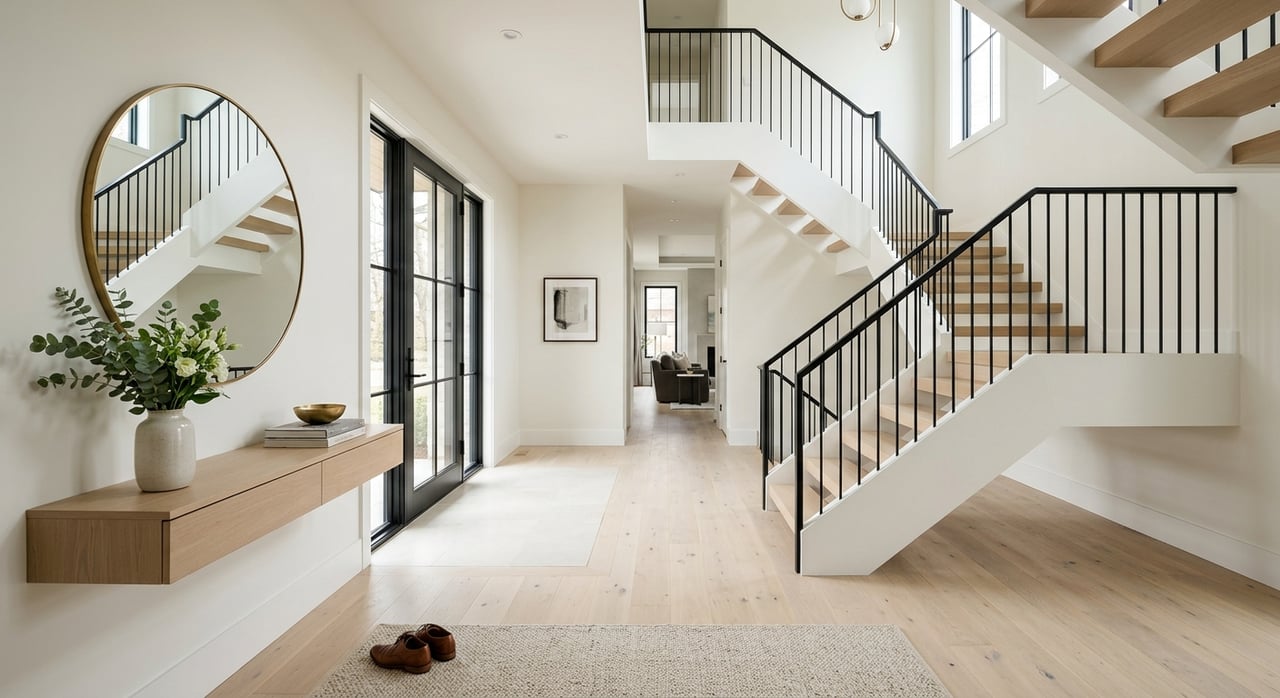
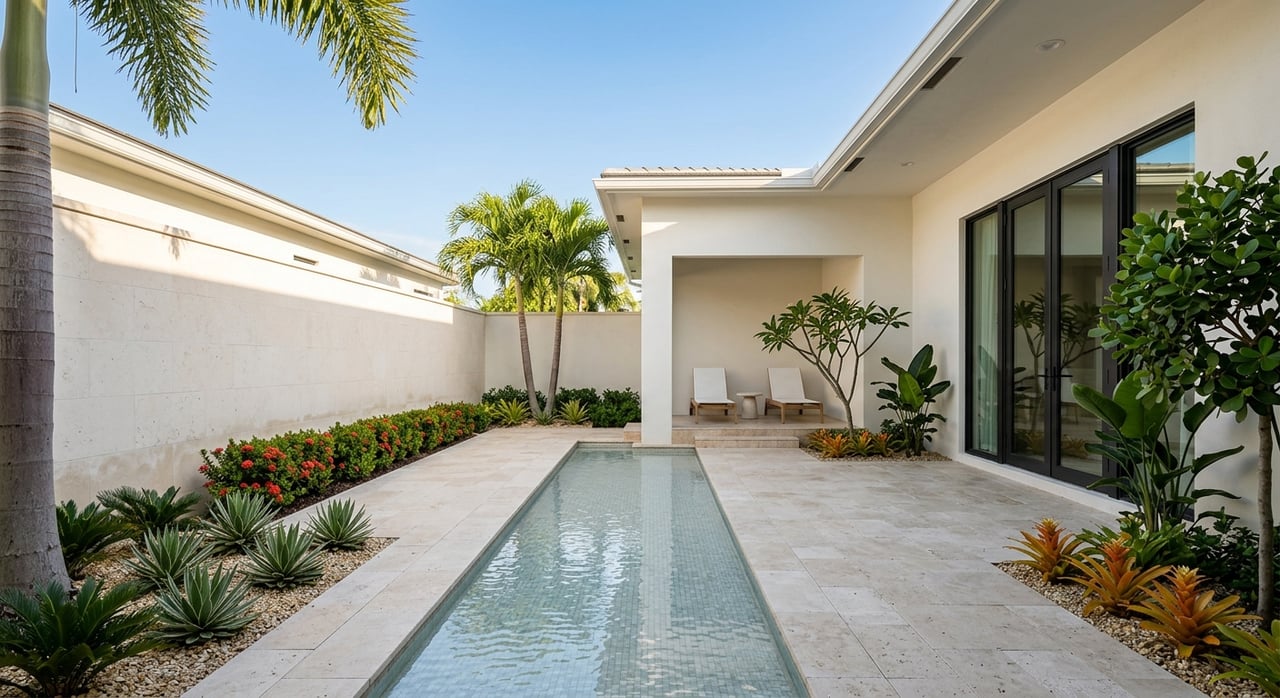
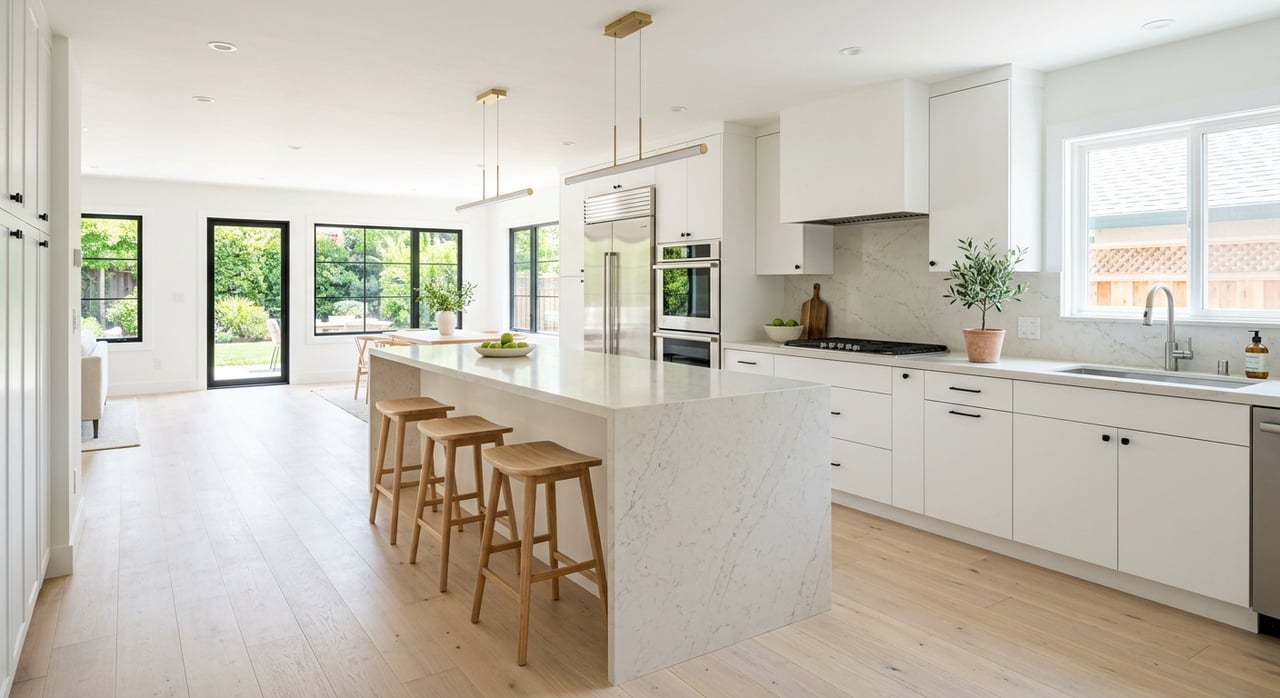
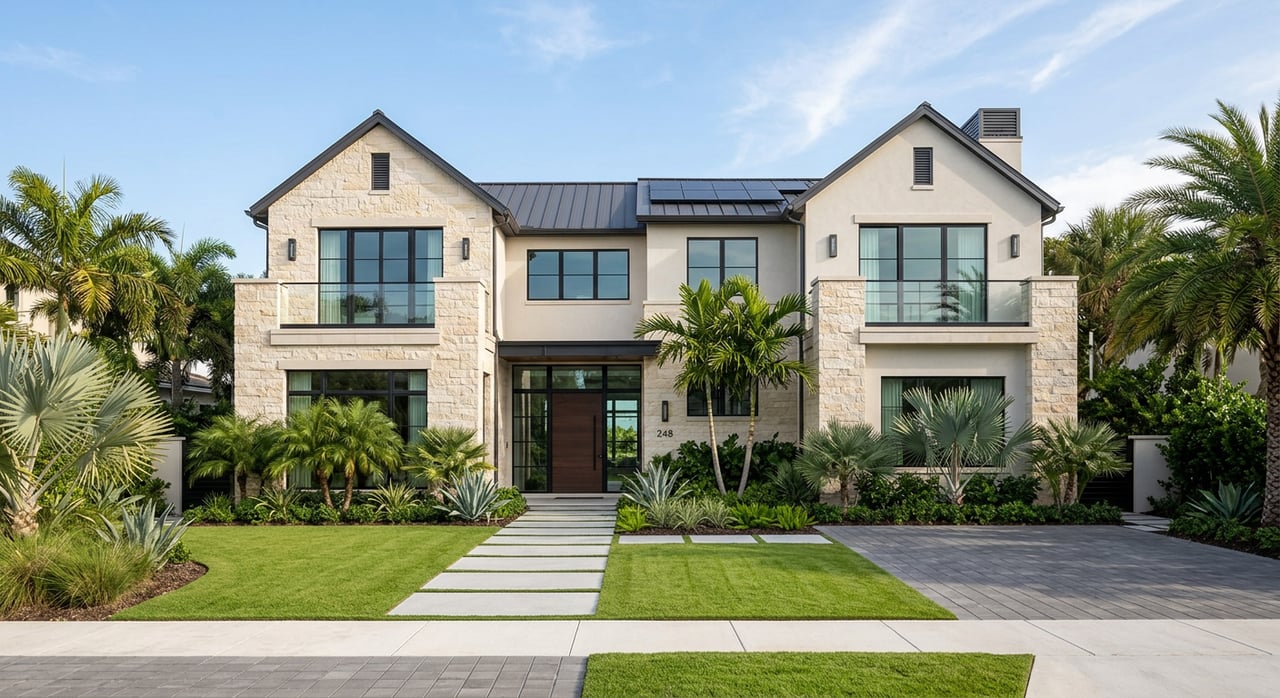
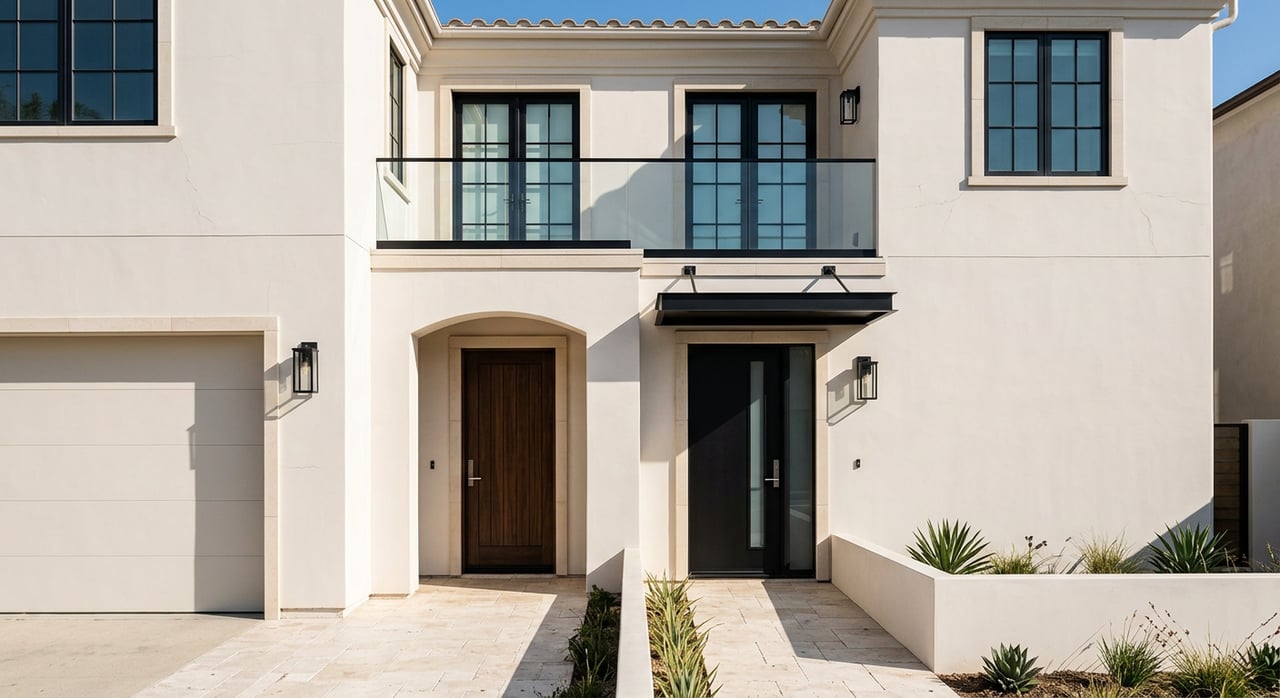
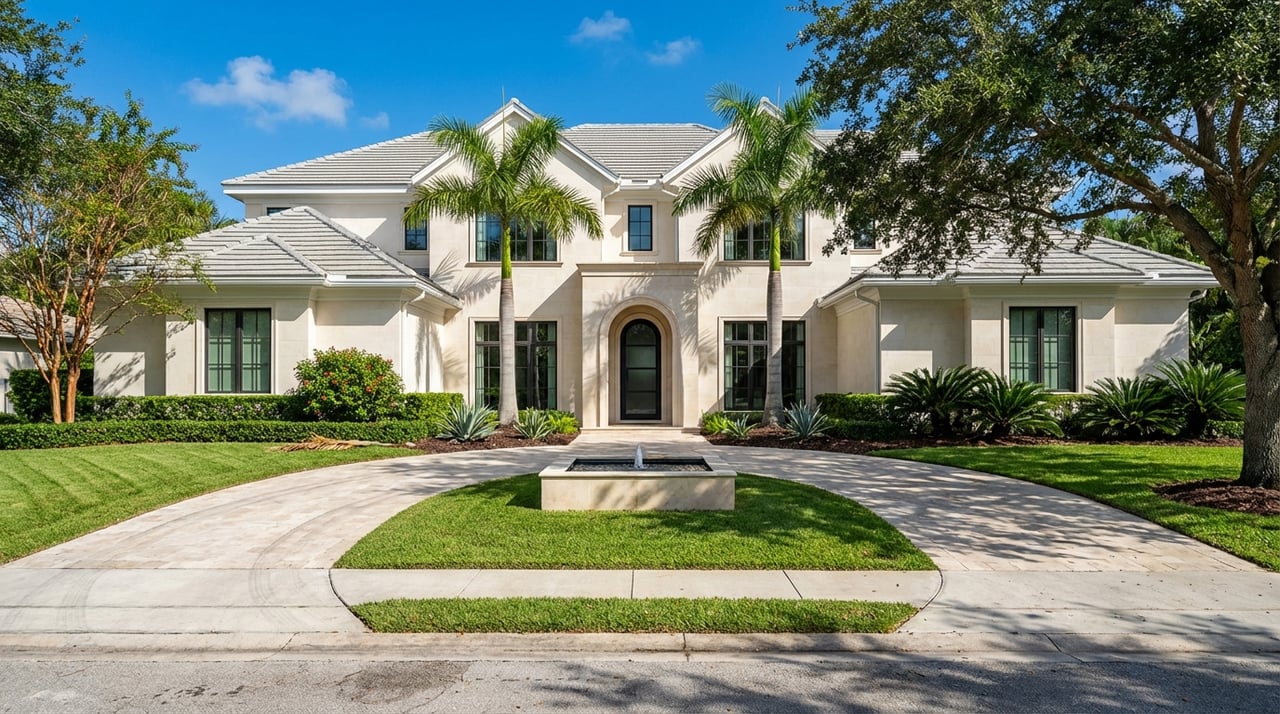
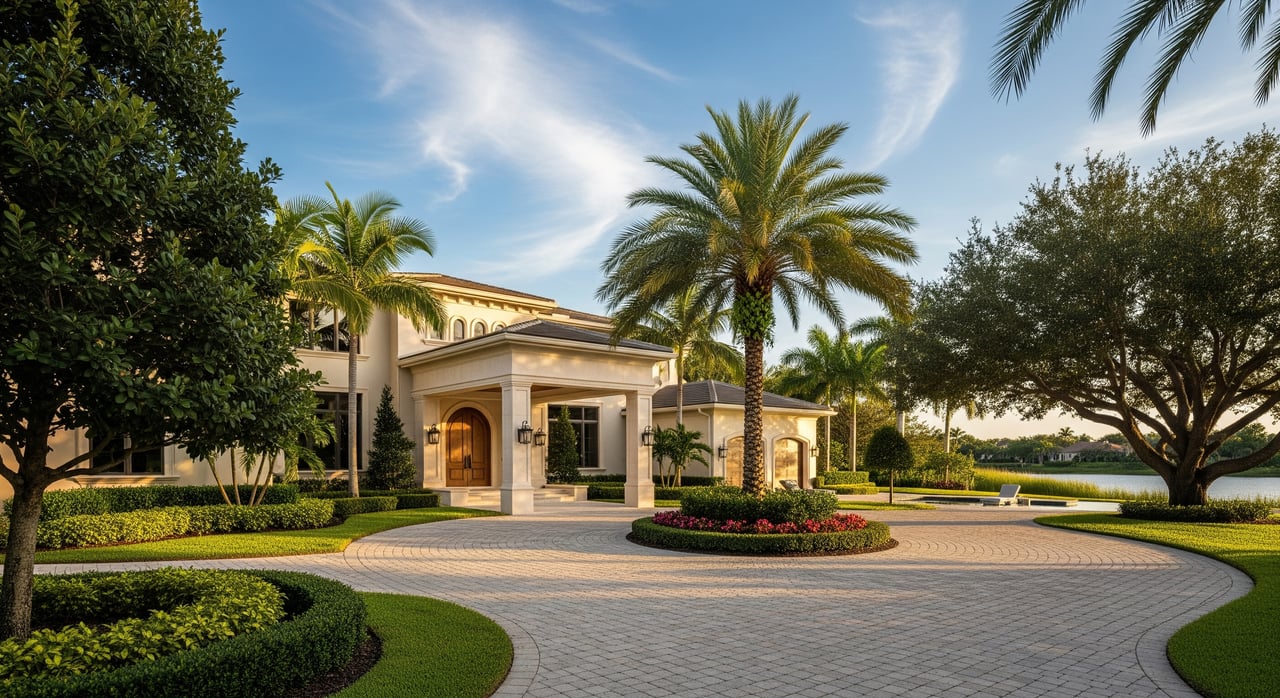
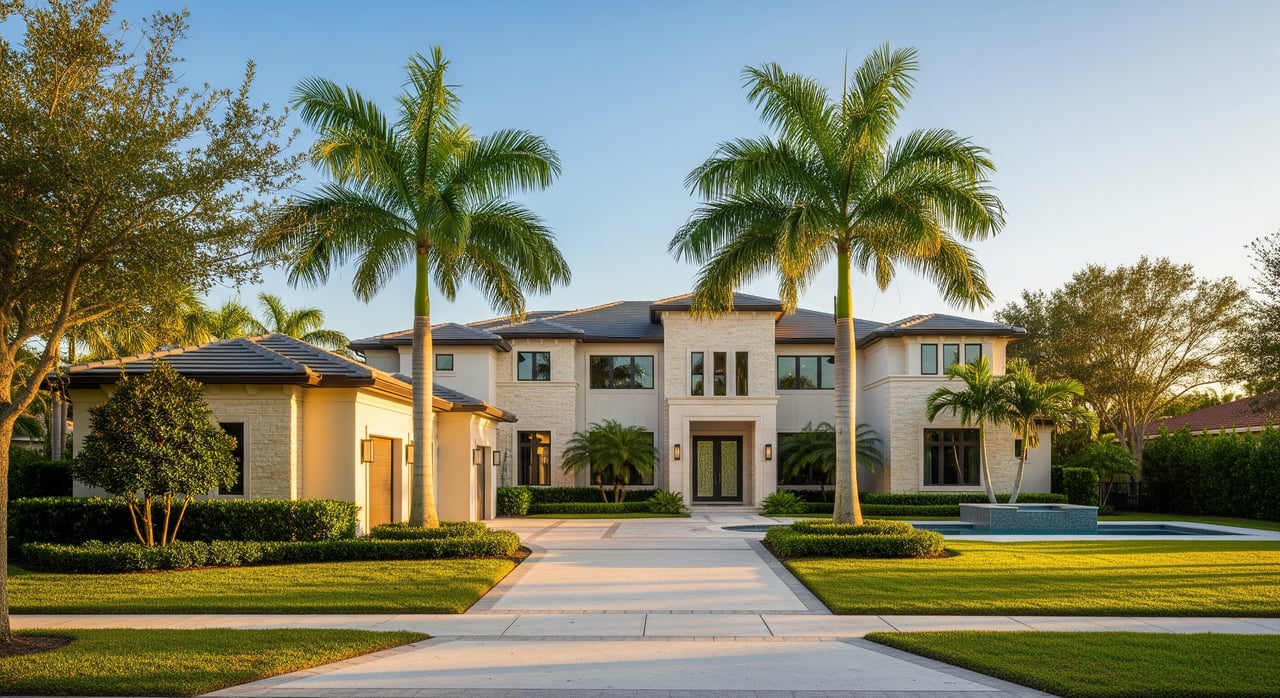
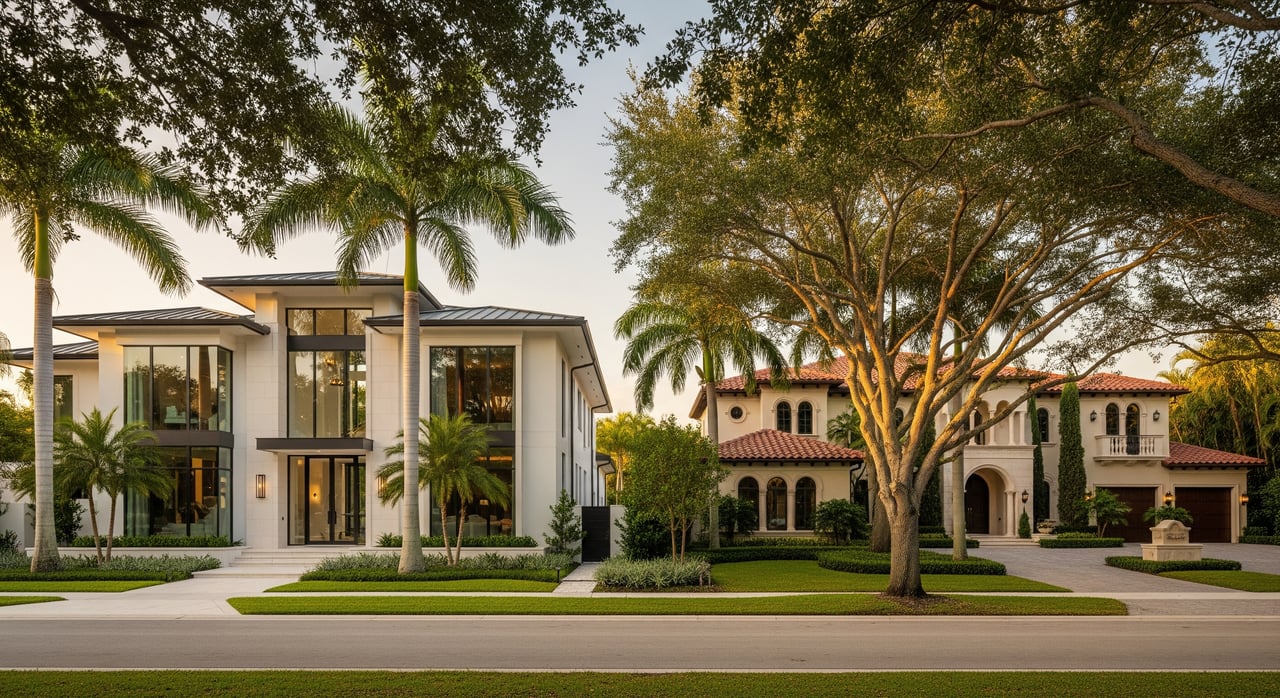
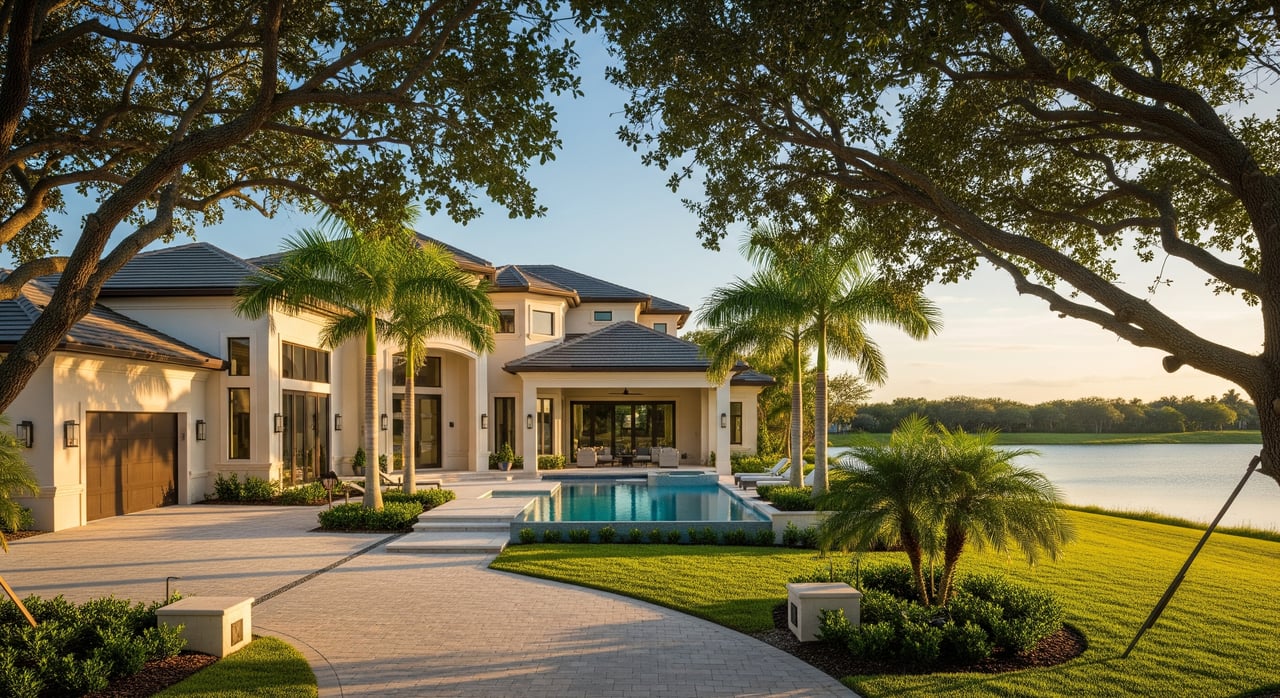
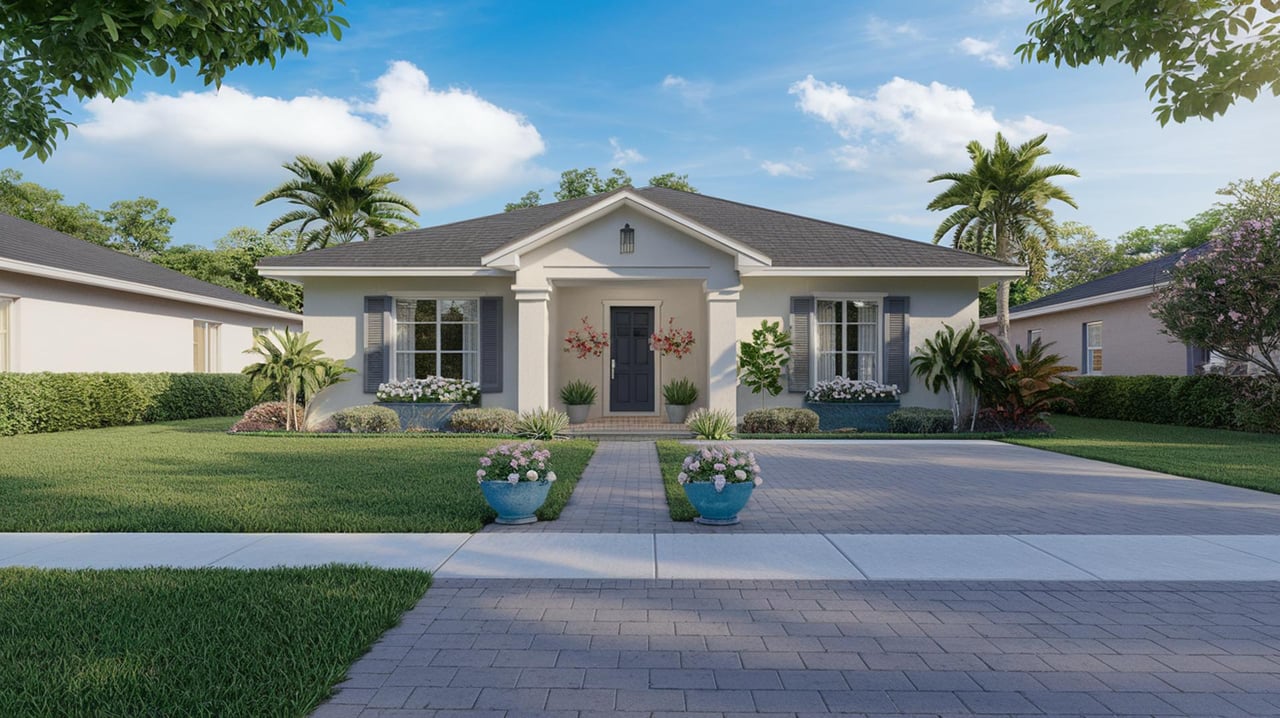
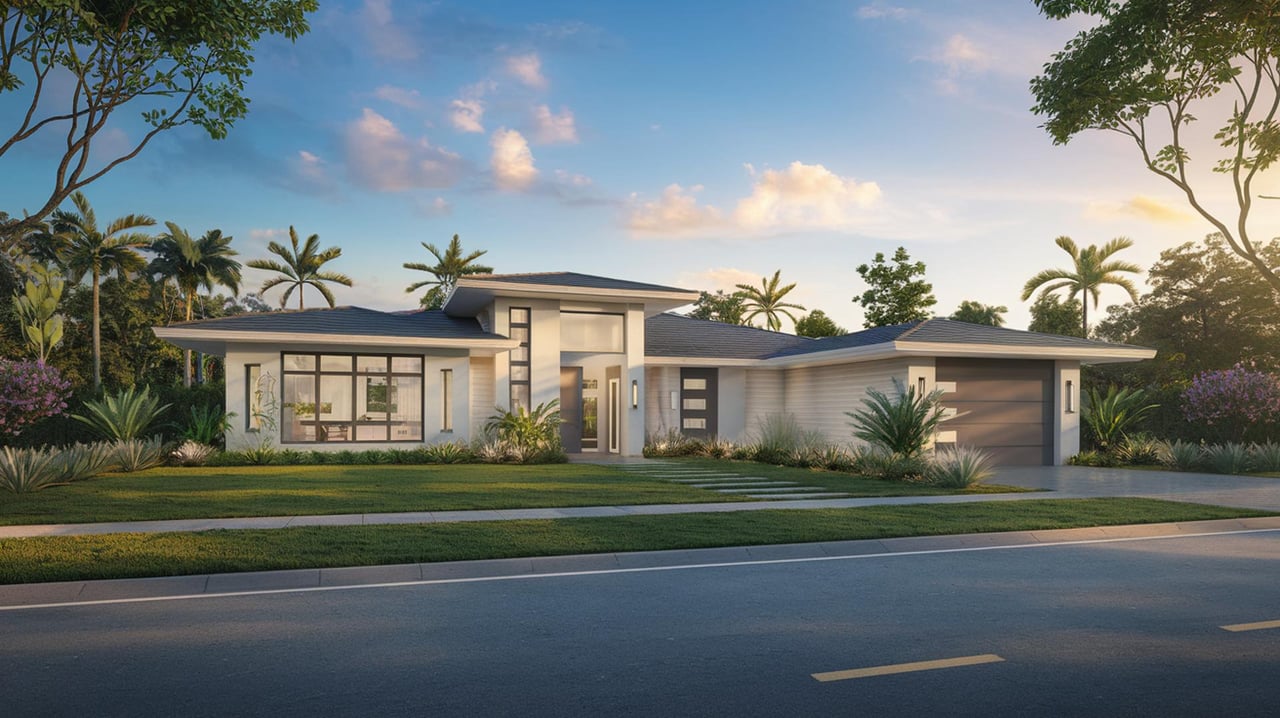
You’ll see a mix of single-family homes, townhomes, and condos across the city. Much of the housing was built between the 1970s and 1990s, with newer infill and townhome/condo communities added in recent years.
Housing types and character
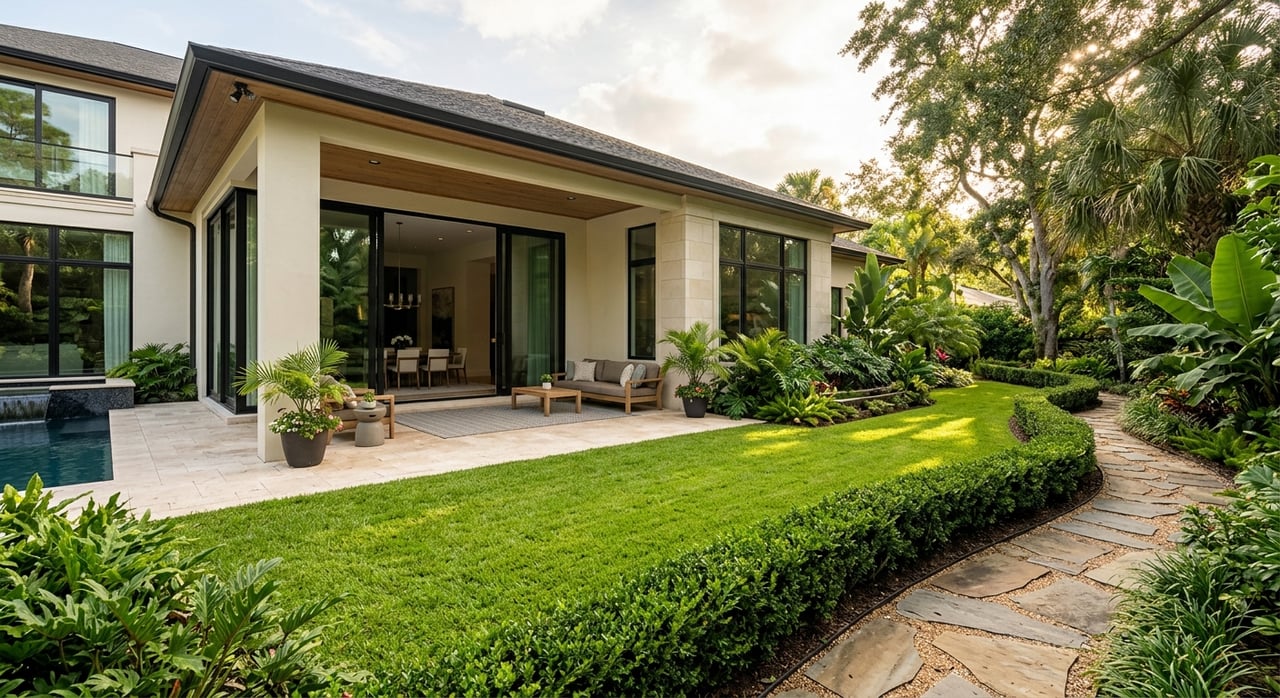
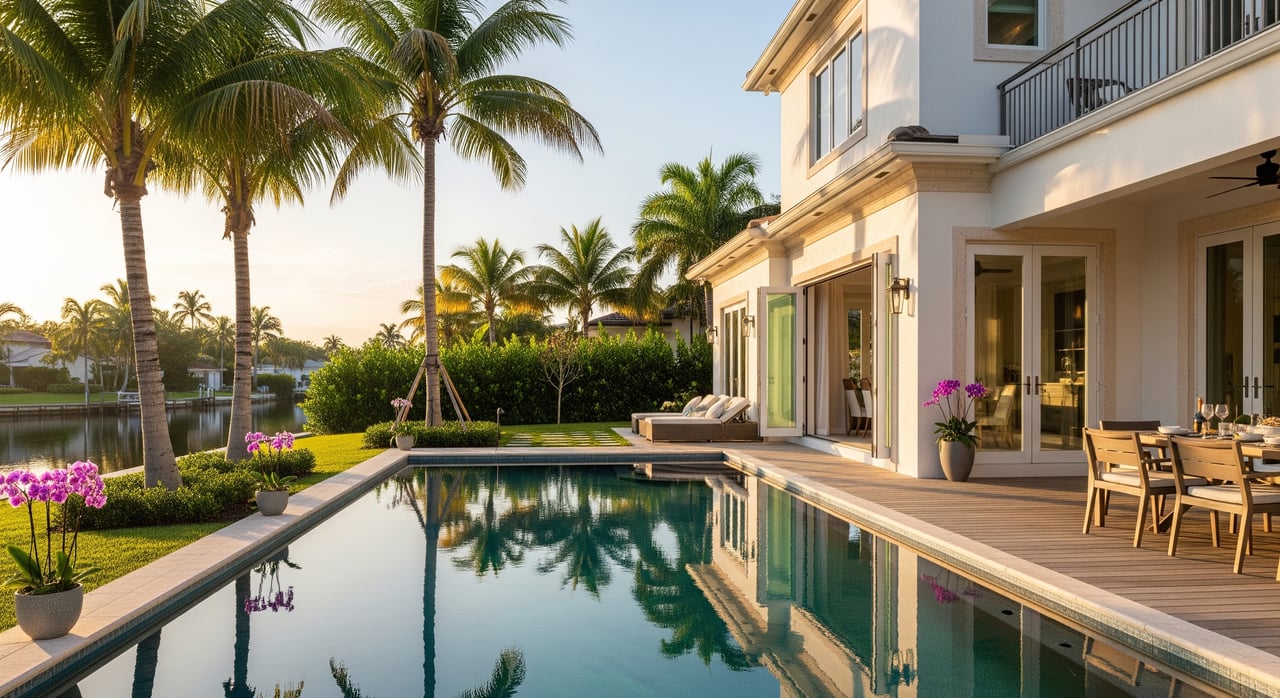
- Single-family homes are the most common and often come with private yards and suburban streetscapes.
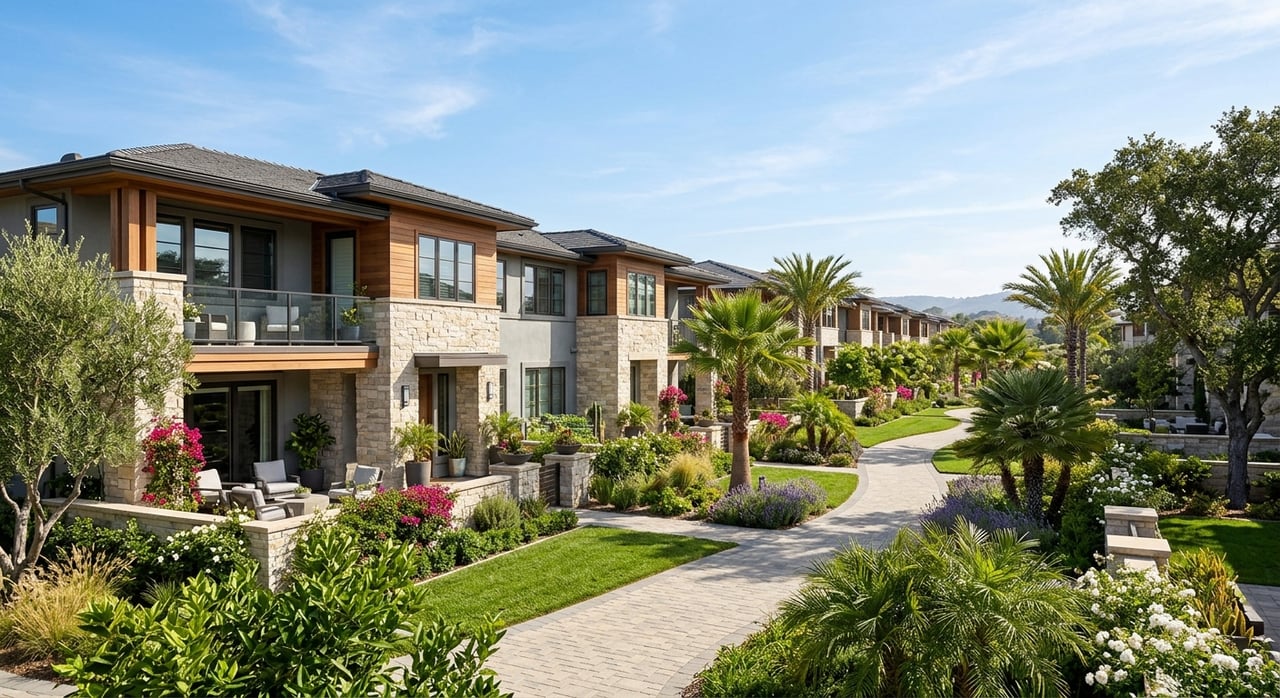
- Townhomes offer lower-maintenance living and can be closer to newer commercial corridors.
- Condos and low- to mid-rise buildings provide entry price points and lock-and-leave convenience.
Different areas lean toward different lifestyles. Some neighborhoods favor larger lots and classic single-family layouts. Others near retail corridors or newer developments offer a more affordable or maintenance-light option.
Costs and ongoing expenses
Prices shift with market conditions, but many buyers find Coral Springs more affordable than coastal Broward cities while still above broader state averages. Plan for property taxes at county and city rates, HOA dues where applicable, and homeowners insurance. In Florida, insurance can be higher than the national average, and you may need separate wind or flood coverage depending on elevation and FEMA flood zone status.
If you are evaluating a community with an HOA, review the rules, reserves, and monthly dues early. HOA standards can influence your maintenance responsibilities and budget.
Getting around: commuting and access
Coral Springs is primarily car-oriented. Most residents drive to work and use a web of local arterials to connect with regional highways.
Driving and commute patterns
Many commuters travel to Fort Lauderdale, Boca Raton, and other Broward or Palm Beach job corridors. Typical drives can range from about 25 to 40 minutes depending on destination and time of day. Peak travel to coastal employment centers or I‑95 can take longer, especially during rush hours and weather events.
Major roads and airports
Local roads connect you to the Sawgrass Expressway, Florida’s Turnpike, and then to I‑95. Because the city is inland, direct access to I‑95 requires a short drive via connecting arterials. For flights, Fort Lauderdale–Hollywood International is usually a 20 to 35 minute trip depending on traffic. Miami International is farther and can take 45 to 70 minutes in typical conditions.
Transit and alternatives
Broward County Transit serves the area with bus routes, though service is less frequent than in denser urban cores. There is no Tri-Rail station within Coral Springs; riders often park-and-ride from nearby stations. Ride-hailing is common, and walkability varies by neighborhood, with higher walk scores near commercial nodes.
Errands, shopping, and dining
Daily errands are simple thanks to a spread of retail centers and grocery options across the city. You’ll find national chains, local markets, and specialty Latin and Caribbean grocers that reflect the area’s diverse community.
For dining, expect casual family restaurants, neighborhood cafés, and a range of Latin American and Caribbean eateries. Nightlife is lower-key than in Fort Lauderdale or Miami. If you want expanded options, head east or south for broader restaurant scenes and late-night entertainment.
Parks, recreation, and community
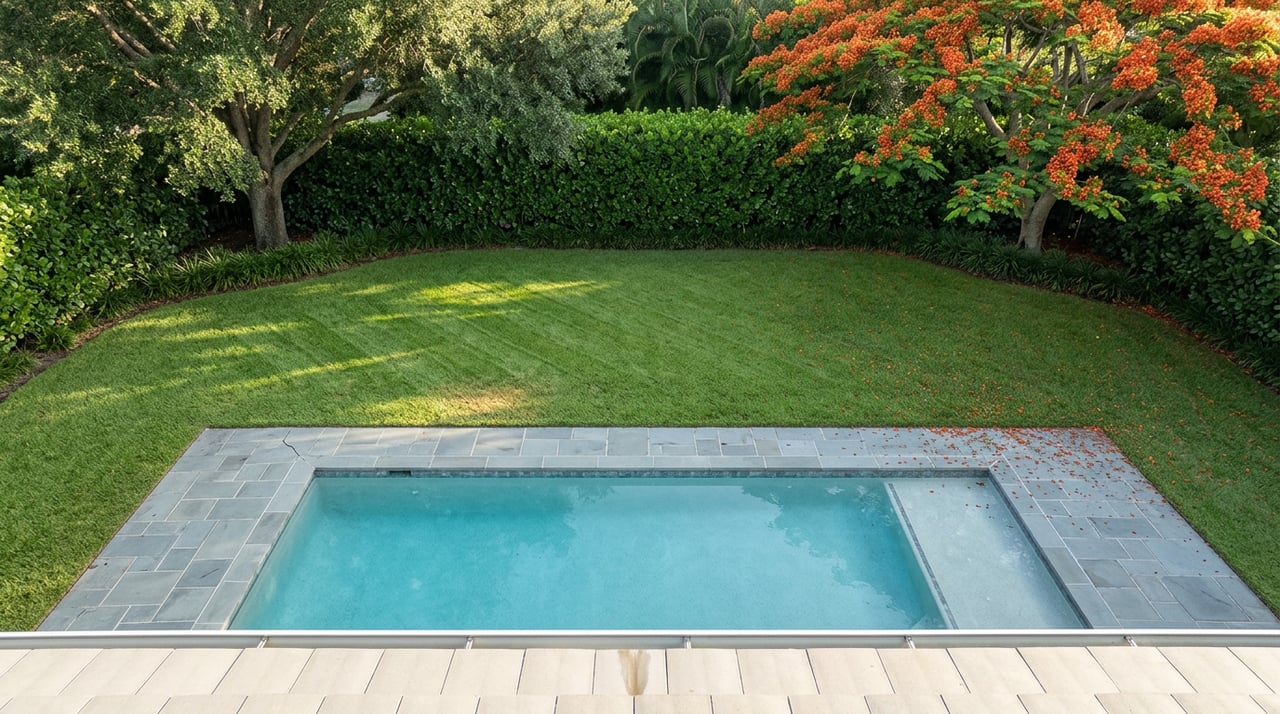
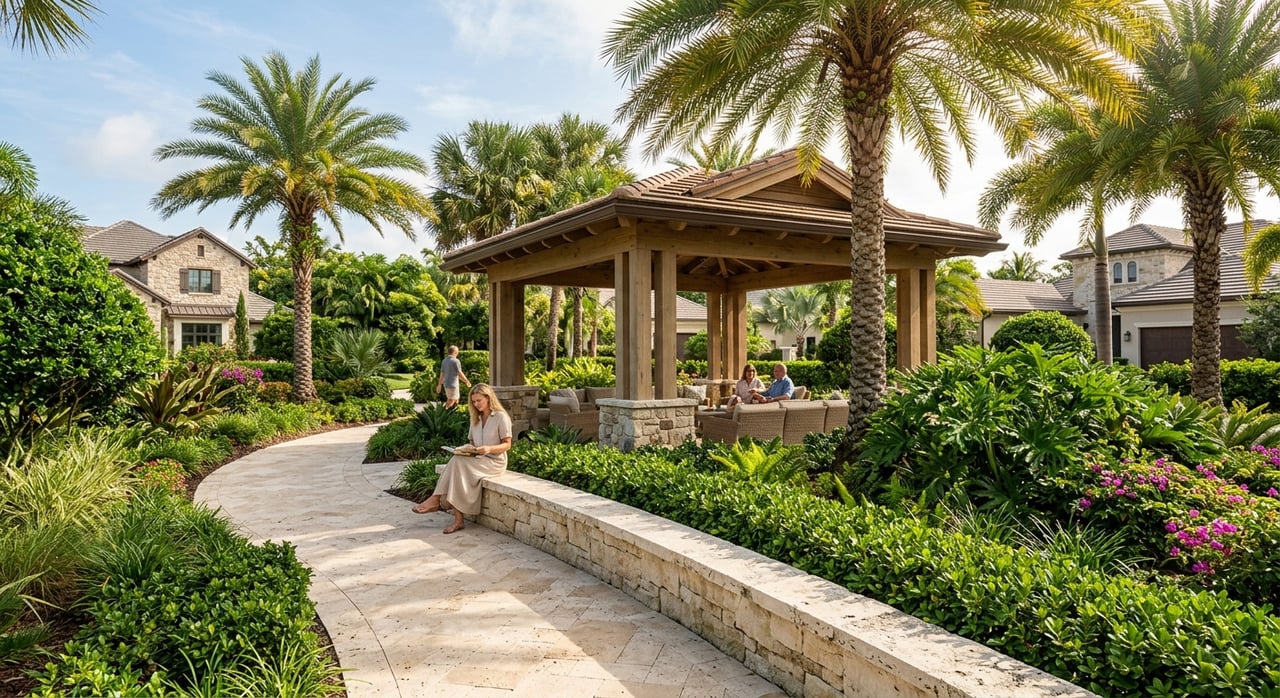
Coral Springs leans into recreation. The city offers community parks, youth sports fields, walking paths, pools, and organized programming for kids, adults, and seniors. Weekend mornings often revolve around sports leagues, playground time, and fitness classes.
City events bring neighbors together with arts festivals, seasonal celebrations, outdoor concerts, and family-friendly gatherings. Community institutions, including libraries and arts venues, add to the calendar. If you’re new to town, local events are an easy way to meet people and learn the rhythms of each neighborhood.
Schools, childcare, and learning
Public schools are part of Broward County Public Schools, and Coral Springs includes several elementary, middle, and high schools with varied performance. Families also consider charter and private options. If schools are important in your decision, compare individual campuses and programs rather than relying on broad labels. Many movers start by mapping potential neighborhoods to the specific schools they prefer and then confirming assignments with the district.
Childcare options include daycares and private preschools, but availability can vary. If you are moving with young children, reach out early to confirm openings.
Healthcare and everyday services
You have access to local hospital facilities and outpatient clinics in Coral Springs and nearby cities. Broward Health and other providers operate in the area, and specialized care is a short drive away in Fort Lauderdale and surrounding medical centers. For day-to-day needs, you’ll find urgent care, dental practices, and primary care clinics near most residential areas.
Climate and seasonal living
You will experience South Florida’s two-season rhythm. From May through October, expect hot, humid weather with frequent afternoon thunderstorms. From November through April, conditions are generally milder and drier.
Hurricane season runs from June through November. Many homeowners adopt a preparedness plan, review insurance coverage yearly, and keep storm supplies on hand. Coral Springs sits inland, which reduces direct surge concerns compared with coastal areas, but heavy rain can still cause localized flooding. Checking FEMA flood maps for individual properties and understanding local drainage patterns can help you plan.
Weekend life: beaches, day trips, and leisure
While Coral Springs offers parks and community activities, beaches and coastal attractions are a drive away. Fort Lauderdale and Deerfield Beach are typically about 20 to 40 minutes depending on traffic. You can pair beach time with a meal on the water, then head back inland to a quieter evening. For culture, dining, and nightlife, many residents make quick trips to Fort Lauderdale, Boca Raton, or Miami.
Practical buyer tips for Coral Springs
Use these quick steps to evaluate fit and budget:
- Test-drive your commute during typical rush hours to key destinations.
- Price out homeowners insurance, including wind and potential flood coverage, before you make an offer.
- Confirm FEMA flood zone status and ask about local drainage or past water issues.
- Review HOA rules, reserves, and dues if the community is governed.
- Prioritize proximity to parks, sports facilities, and your daily shopping routes.
- Map neighborhoods to specific schools and verify assignments with the district.
- Consider the age of the home’s systems, especially roofs and windows, given insurance and storm-resilience needs.
- Plan for property taxes, city utilities, and potential upgrades common in homes built in the 1970s–1990s.
Is Coral Springs a fit for you?
If you want a stable suburban rhythm, easy access to parks and youth activities, and a practical commute to Broward or Palm Beach job centers, Coral Springs delivers day-to-day convenience. You trade a high-octane nightlife for predictable routines, sports leagues, and weekend beach runs. For many families and professionals, that balance is exactly the point.
If you are exploring a move, our local expertise can help you compare neighborhoods, weigh insurance and HOA factors, and pinpoint homes that match your routine. Reach out to Steven Kaminer to start a focused search or request a complimentary valuation.
FAQs
How long are typical Coral Springs commutes to Fort Lauderdale?
- Most residents drive, and many commutes run about 25 to 40 minutes depending on time of day, route, and traffic conditions.
What school options exist within Coral Springs and nearby?
- The area is served by Broward County Public Schools, with multiple elementary, middle, and high schools, plus charter and private options that families review based on programs and fit.
What should I know about Florida homeowners insurance in Coral Springs?
- Insurance costs are often higher than the national average and can include wind and possible flood coverage; get quotes early and verify flood zone status for any property.
How close is Coral Springs to beaches and nightlife?
- Fort Lauderdale and Deerfield Beach are commonly a 20 to 40 minute drive, and many residents head east or south for expanded dining and late-night options.
Is public transit a realistic daily option in Coral Springs?
- Broward County Transit serves the city, but service is less frequent than in denser areas; most residents rely on cars and use park-and-ride for regional rail.
What types of homes are most common in Coral Springs?
- Single-family homes built between the 1970s and 1990s are common, with a mix of townhomes and low- to mid-rise condos and newer infill communities.