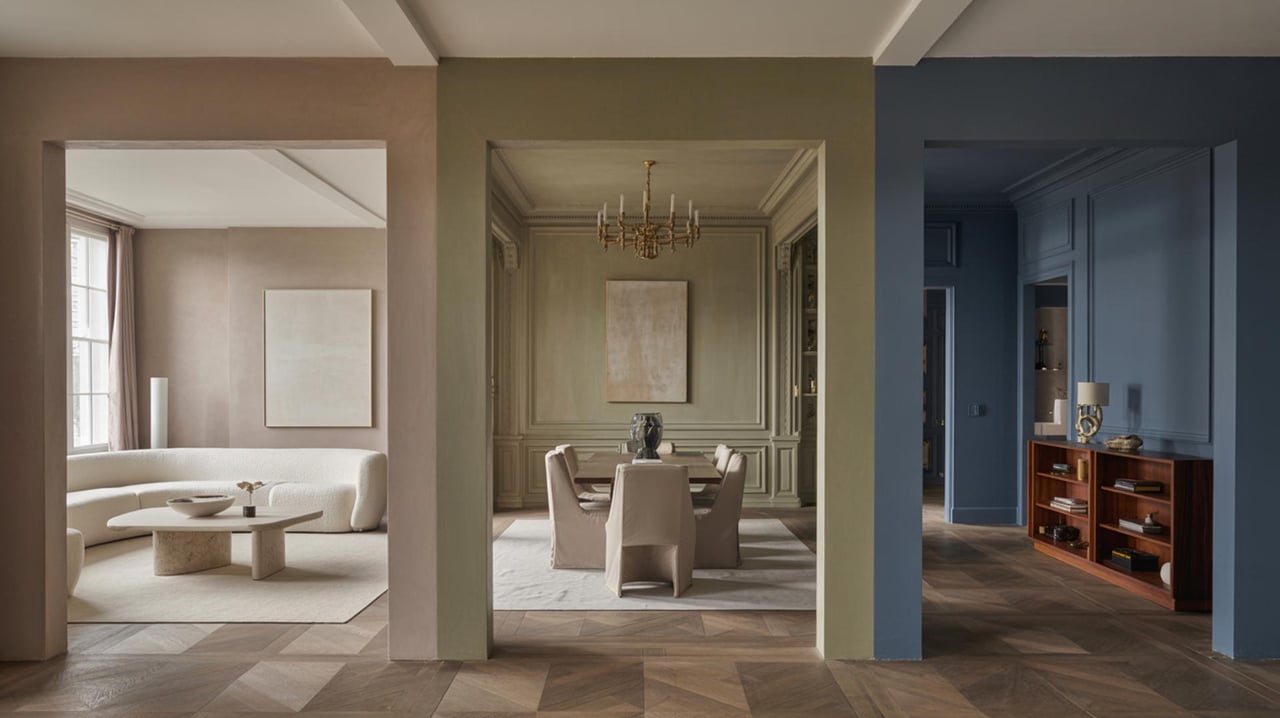
Choosing the right paint tones for each room in your home can transform your living space and create the desired atmosphere. The impact of color on mood and perception is significant, making it essential to select hues that align with the function and feel of each room. From calming blues in the bedroom to energizing yellows in the kitchen, mastering paint tones involves understanding color psychology, lighting, and the specific characteristics of each space.
Understanding Color Psychology
Color psychology plays a crucial role in selecting paint tones for your home. Different colors evoke different emotions and can influence how a room is perceived. For instance, blue is often associated with calmness and serenity, making it ideal for bedrooms and bathrooms. On the other hand, red is a stimulating color that can increase energy levels, making it suitable for dining rooms or spaces where social interaction is encouraged. Understanding these associations helps in choosing colors that not only look good but also feel right for each room's purpose.
Considering Natural and Artificial Lighting
Lighting significantly affects how paint colors appear in a room. Natural light can enhance or alter the perception of color, depending on the time of day and the direction the room faces. For example, north-facing rooms may benefit from warmer tones to counteract the coolness of the light, while south-facing rooms can handle cooler tones due to the abundance of warm natural light. Artificial lighting, such as LED or incandescent bulbs, also influences color perception. It's important to test paint samples under different lighting conditions to ensure the chosen color maintains its desired effect throughout the day.
Choosing the Right Finish
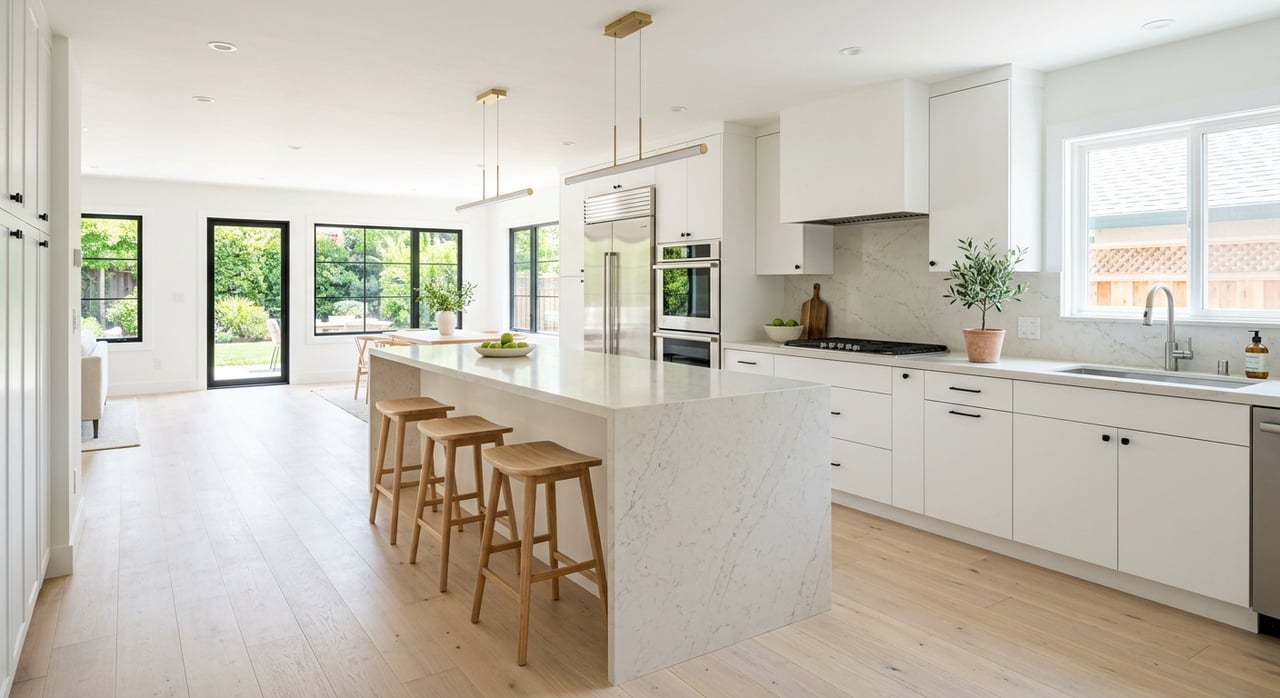
The finish of the paint can impact both the appearance and functionality of a room. Matte finishes are great for hiding imperfections on walls and creating a soft, elegant look, making them ideal for living rooms and bedrooms. Semi-gloss or gloss finishes, on the other hand, are more durable and easier to clean, making them suitable for high-traffic areas like kitchens and bathrooms. Selecting the right finish not only enhances the aesthetic appeal but also contributes to the practicality of the space.
Creating a Cohesive Color Palette
A cohesive color palette ensures that the different rooms in your home flow seamlessly from one to another. This doesn't mean every room needs to be the same color, but rather that the colors complement each other. Using a color wheel can help in selecting complementary or analogous colors that work well together. For instance, if you choose a bold color for the living room, consider using a more subdued tone from the same color family in adjacent spaces to maintain harmony.
Incorporating Accent Walls
Accent walls are an effective way to introduce a pop of color without overwhelming the space. They can add depth and dimension to a room, drawing attention to architectural features or creating a focal point. When choosing a color for an accent wall, consider the existing color scheme and select a hue that complements the other walls. Accent walls work well in living rooms, bedrooms, and even kitchens, providing an opportunity to experiment with bolder colors or patterns.
Balancing Warm and Cool Tones
Balancing warm and cool tones in a room can create a harmonious and inviting atmosphere. Warm tones, such as reds, oranges, and yellows, can make a space feel cozy and intimate, while cool tones like blues, greens, and purples can evoke a sense of calm and relaxation. Consider the function of the room and the mood you want to create when deciding on the balance of warm and cool tones. For instance, a living room might benefit from a mix of both to accommodate different activities and moods.
Utilizing Neutrals Effectively
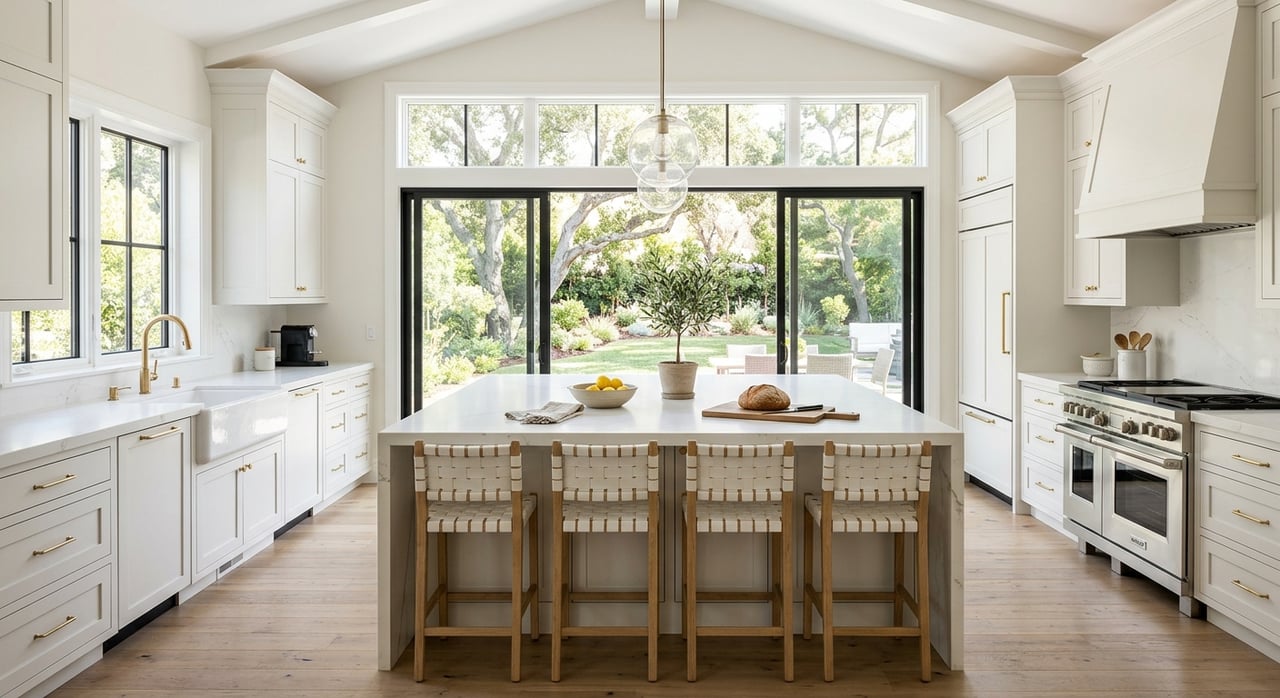
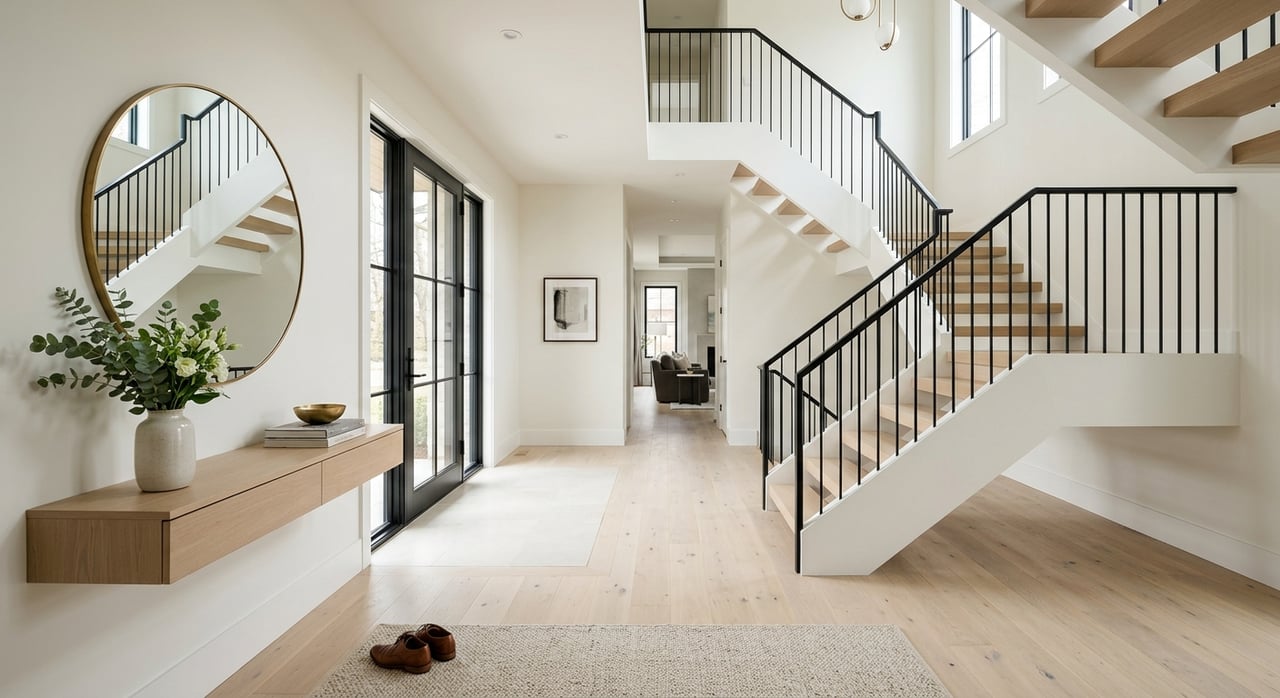
Neutrals are versatile and timeless, making them a popular choice for many homeowners. They provide a neutral backdrop that allows other elements in the room, such as furniture and artwork, to stand out. Neutrals can also be layered with other colors to add depth and interest. When using neutrals, consider varying the shades and textures to prevent the space from feeling flat or monotonous. Incorporating different materials and finishes can enhance the overall look and feel of a neutral color scheme.
Experimenting with Bold Colors
Bold colors can make a statement and add personality to a room. While they may seem intimidating, they can be used effectively in various spaces. Consider using bold colors in smaller doses, such as on an accent wall, in a powder room, or through accessories like cushions and rugs. This approach allows you to enjoy the vibrancy of bold colors without overwhelming the space. When experimenting with bold colors, it's important to test samples and consider how they interact with the room's lighting and existing decor.
Adapting to Room Size and Function
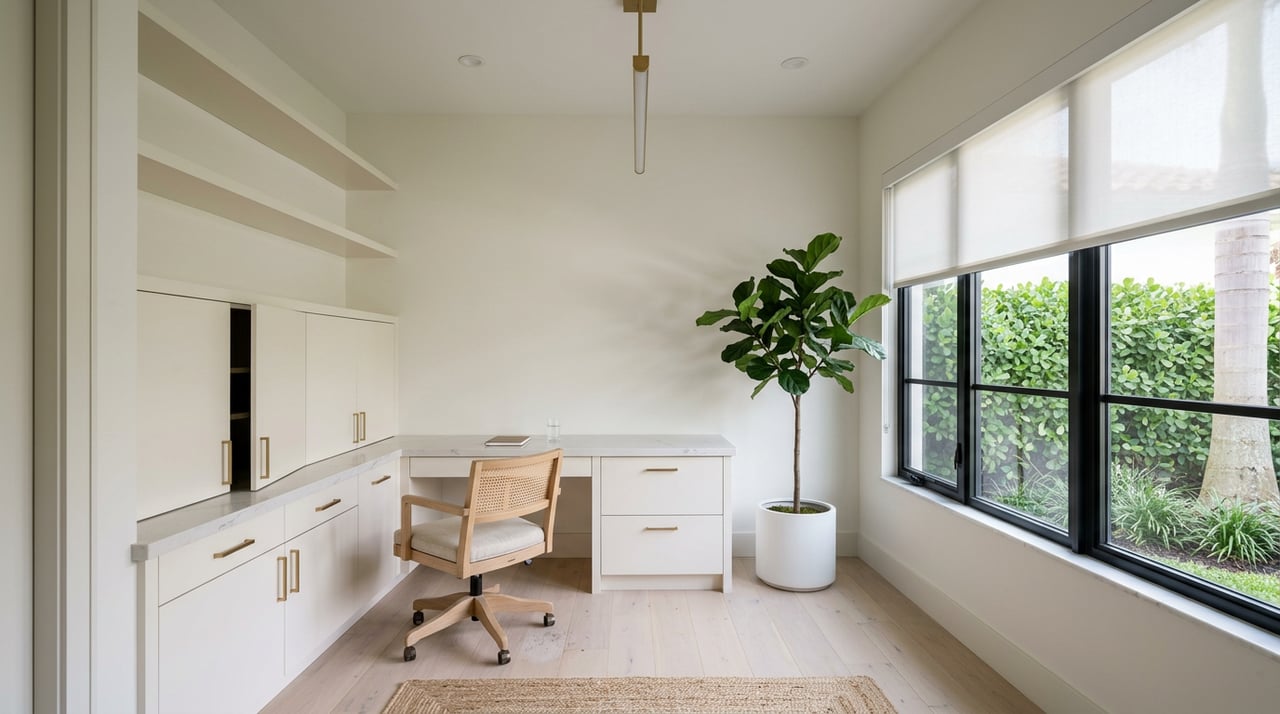
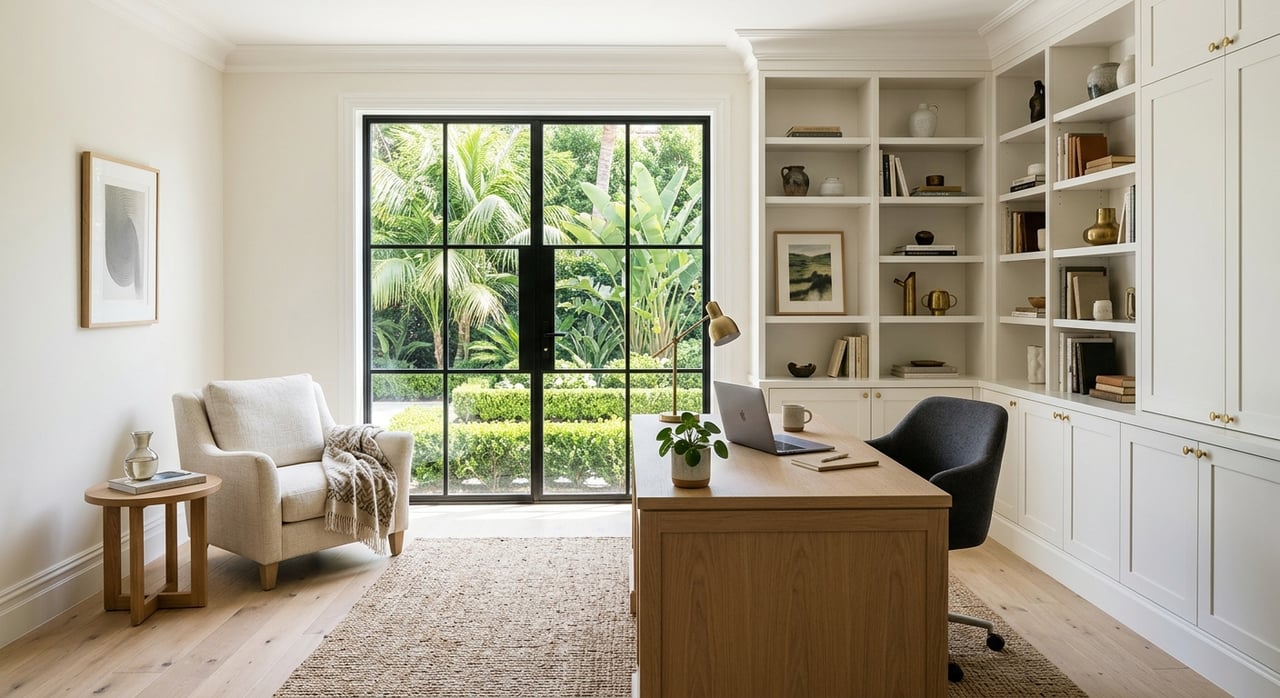
The size and function of a room should influence your color choices. Lighter colors can make small rooms feel larger and more open, while darker colors can add coziness and intimacy to larger spaces. Consider the primary function of the room when selecting colors. For example, a home office might benefit from colors that promote focus and productivity, such as greens or blues, while a playroom might be enhanced by bright, cheerful colors that stimulate creativity and playfulness.
Personalizing Your Space
Ultimately, the colors you choose should reflect your personal style and preferences. While trends and guidelines can provide inspiration, it's important to select colors that resonate with you and make your home feel uniquely yours. Consider incorporating personal touches, such as favorite colors or meaningful artwork, to create a space that feels comfortable and inviting. Personalizing your space with color allows you to express your individuality and create a home that truly reflects who you are.
Transform Your Space with the Right Colors
Mastering the art of paint tones can truly transform every room in your home, creating spaces that are both beautiful and functional. By understanding color strategies, you can enhance the mood and style of each area, making your home a reflection of your personal taste. Whether you're looking to refresh a single room or your entire house, the right colors can make all the difference. For expert advice and personalized color strategies, reach out to Steven Kaminer to bring your vision to life.