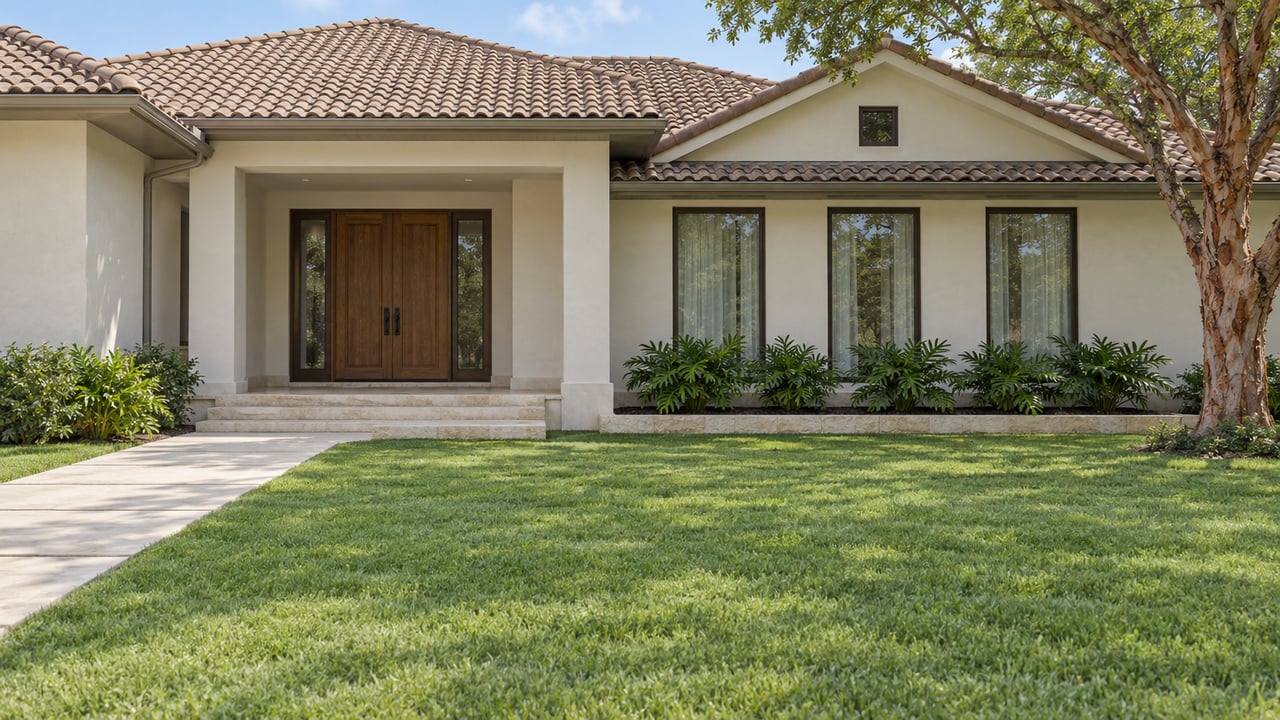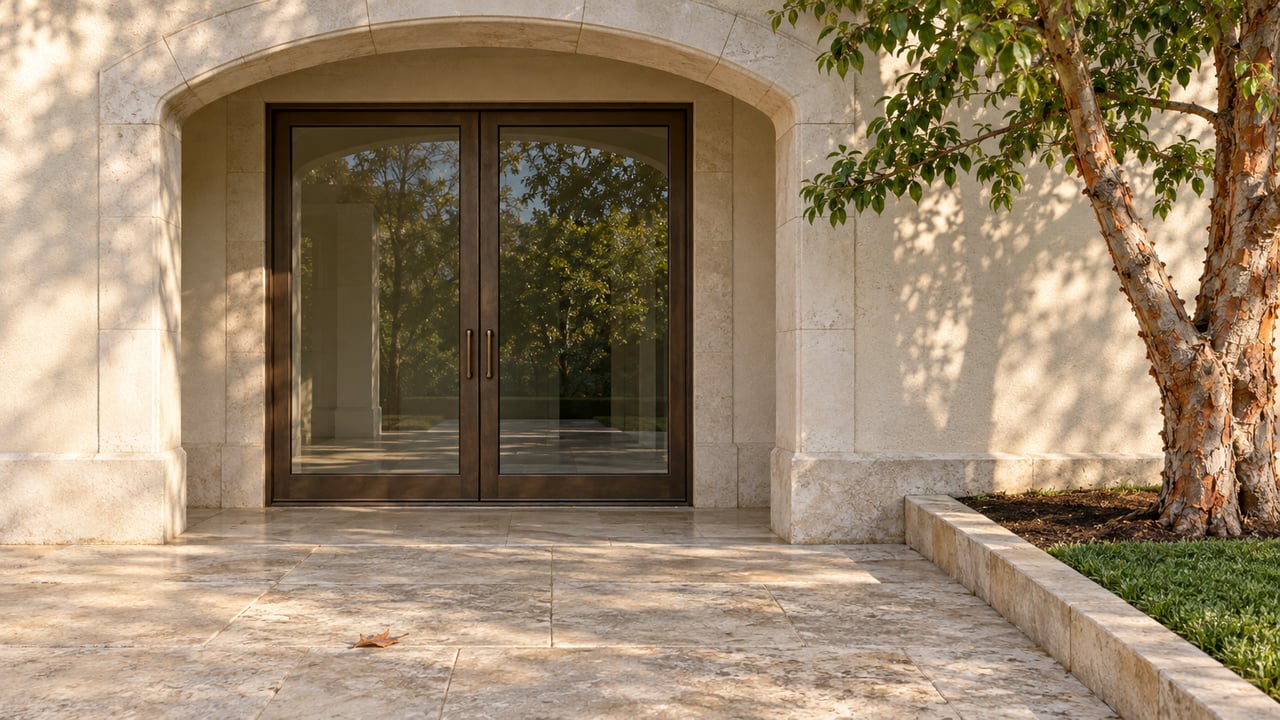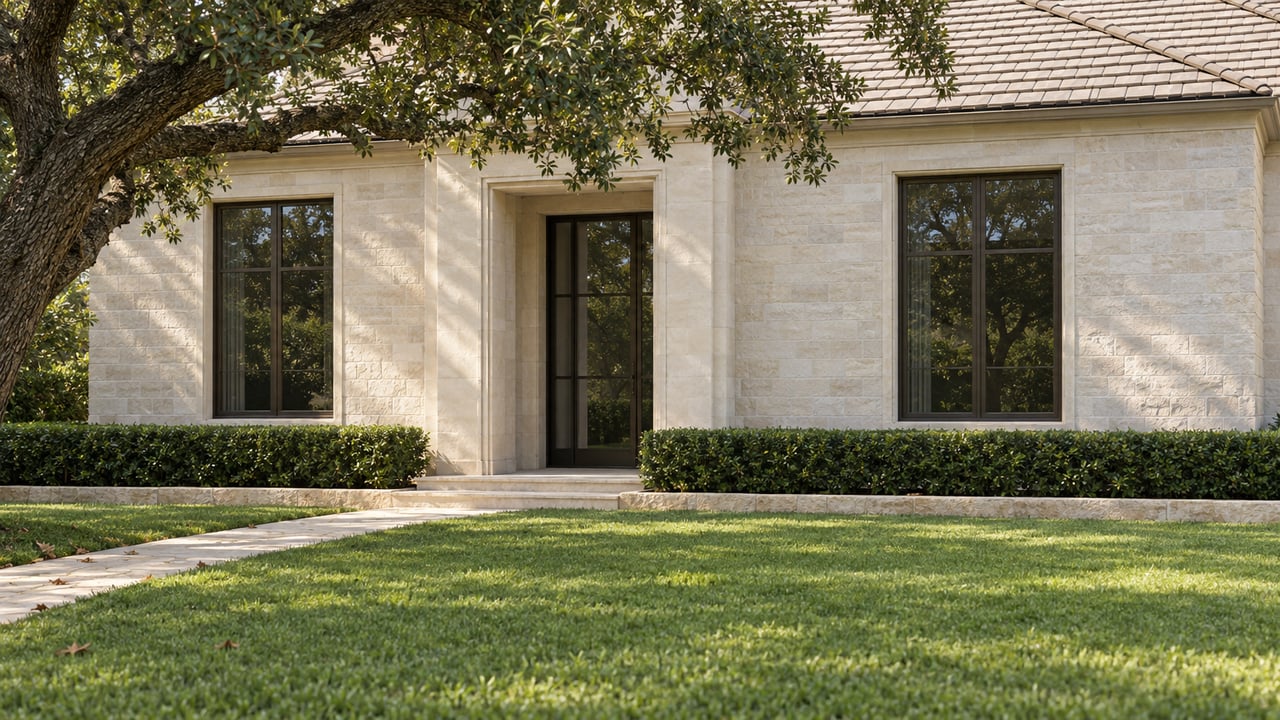
Drive past 2855 Coral Springs Drive this month and the building looks the way it always has, tucked into the hill above the lake, glass walls catching the afternoon light. Walk up to the doors, though, and they're locked. No current exhibit sign. No Thursday-night reception crowd spilling into the sculpture garden. For the first time since the Coral Springs Museum of Art opened in January 1997, the city that calls itself one of only two in Broward County with a dedicated art museum doesn't have one running.
That's not a funding collapse or a quiet shutdown. It's a five-week gap between two buildings, and the space in between says more about how Coral Springs is remaking its downtown than any ribbon-cutting could.
The Building Was Never Built to Hold Art
Here's the detail most residents who've taken their kids to a family art day or sat through a ceramics class never think about: the museum was never designed to be a museum. In late 1996, the city set out to build a recreation and community center. Somewhere in planning, that project turned into the Coral Springs Center for the Arts instead, a 30,000-square-foot performance theater with a gallery wedged inside it. The Museum of Art got incorporated the following January and has spent nearly three decades operating out of a building whose bones were meant for basketball, not brushstrokes.
Coral Springs Florida News reported that Mike McNally, the city's Director of Arts and Cultural Enrichment, made that history the centerpiece of his pitch to the city commission last December. He pointed to the gallery's origin as a converted gymnasium and argued that a purpose-built space would finally give the museum real acoustics, real lighting control, and real flexibility to reconfigure exhibits. The commission voted 3-2 to fund it.
That vote wasn't unanimous enthusiasm. Commissioner Shawn Cerra pushed back hard on the price tag for a building the city doesn't even own:
"This is too much money for a space that we don't own."
— Commissioner Shawn Cerra, as quoted by Coral Springs Florida News.
Commissioner Joseph McHugh raised similar concerns. The plan passed anyway, and the reasoning that carried it says something about how the city sees this move. Commissioner Joshua Simmons framed the stakes in civic rather than budget terms, noting that of Broward County's 31 municipalities, only Fort Lauderdale and Coral Springs have a dedicated art museum at all. Losing momentum on that distinction, in his view, cost more than the construction line item.
What $3.4 Million Actually Buys
The build-out for the new gallery inside the Cornerstone development runs $3.4 million, and the breakdown tells you who's placing the bet.
| Source | Amount |
|---|---|
| City capital budget | ~$2,000,000 |
| Community Redevelopment Agency (CRA) capital fund | $1,000,000 |
| Landlord and tenant allowance (Mill Creek, Cornerstone developer) | ~$500,000 |
| Total | $3.4 million |
The city and CRA carry the largest share, but the CRA's million-dollar contribution and Mill Creek's landlord allowance matter just as much. The museum is being installed as a tenant in a building the developer is filling with restaurants and apartments. The old gallery sat inside a recreation-center-turned-theater, set apart from foot traffic. The new one sits at University Drive and Sample Road, inside the same development that's also landing Big Whiskey's American Restaurant and Bar on the ground floor of the Modera apartment tower, backed by a $100,000 grant the CRA approved for that project in April. The museum isn't an amenity next to downtown anymore. It's part of the storefront.
The Five-Week Gap, and What Reopens On the Other Side
The old gallery's last show closed the loop on nearly thirty years in that building. Its final exhibition paired a set of large-format Everglades photographs by Clyde Butcher with a contemporary group show called "Across This Land: America at 250," marking the country's semiquincentennial. That double feature ran June 5 through August 1, 2026, and then the doors closed for good.
The new gallery, roughly 8,100 square feet and purpose-built from the studs, opens September 5, 2026, with an exhibition that has nothing to do with Florida landscape and everything to do with signaling what this space is for. "Picasso: A Graphic Journey" brings 57 original prints created between 1923 and 1972, etchings, lithographs, linocuts, and a rare cancelled copper printing plate, drawn from the collection of Timothy Collins of Los Angeles. It's not a local artists' showcase or a community exhibition. It's an international loan show, the kind of programming a converted gymnasium was never built to host and a purpose-built downtown gallery is designed to attract.
So the five weeks between August 1 and September 5 aren't dead time. They're the gap between what the museum used to be able to book and what it's positioning itself to book now.
Why the Museum Is Moving Toward the Restaurants, Not Away From the City
It's worth sitting with why the city chose Cornerstone specifically. The Cornerstone development at University and Sample is also where the Modera apartment towers are going up, where Big Whiskey's signed on, and where the broader downtown push that includes the nearby City Village apartment project is aimed at finally giving Coral Springs a walkable evening block instead of a collection of separate strip centers.
Putting the art museum inside that same footprint isn't a coincidence. It puts gallery foot traffic next to restaurant foot traffic, in the same way ArtWalk, the city's permanent outdoor sculpture corridor with six installed pieces and native landscaping along the downtown route, already ties public art to the streets people are already walking. The museum relocating here means the next time you're deciding where to eat downtown, the gallery is on the same block instead of a drive away near the lake.
What You Can Still See This Month
The move doesn't touch everything. ArtWalk's outdoor sculptures remain in place along the downtown corridor regardless of which building the museum occupies, since that installation exists in public space rather than inside the gallery. If you've walked past those pieces without registering what they were, this is as good a month as any to actually look.
For the gallery itself, the wait ends September 5. The Picasso show runs through November 7, which gives residents a solid two-month window once doors open, longer than most exhibitions the old space hosted.
The Bigger Point
Coral Springs went nearly thirty years without a purpose-built gallery and didn't seem to mind, because the alternative wasn't "no museum," it was "museum in a converted gym." Now the city is spending $3.4 million and living through a five-week closure to fix a problem most residents probably never noticed: the building never actually fit the art.
That's the kind of shift that's easy to miss if you only check in on Coral Springs when you need something specific, a restaurant, a park, a school district. It's harder to miss if you're paying attention to how the city keeps stitching its downtown together, one Cornerstone tenant at a time.
Steven Kaminer's team spends a lot of time watching exactly this kind of civic detail, not because it shows up in a listing description, but because it's the difference between knowing a neighborhood and just knowing its home prices. If you're weighing a move in Coral Springs or Parkland and want that same level of on-the-ground read applied to your own search, reach out to Steven Kaminer to request a complimentary home valuation or speak with our team today.