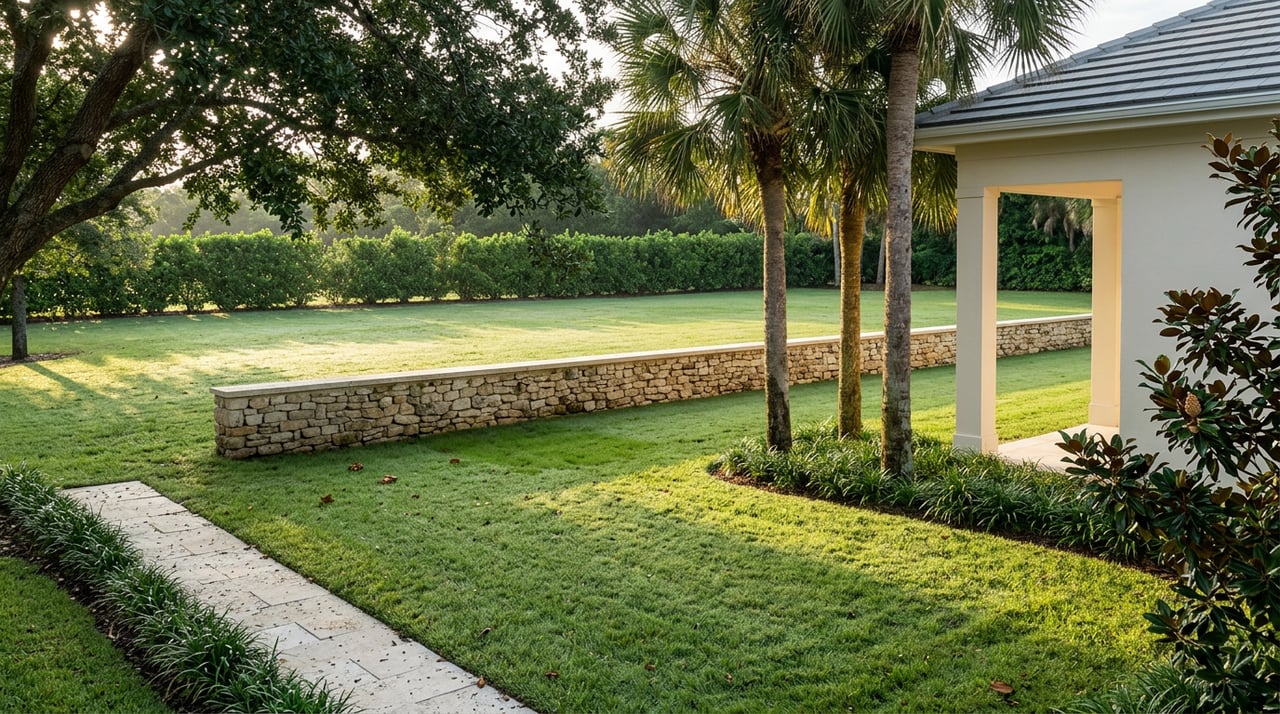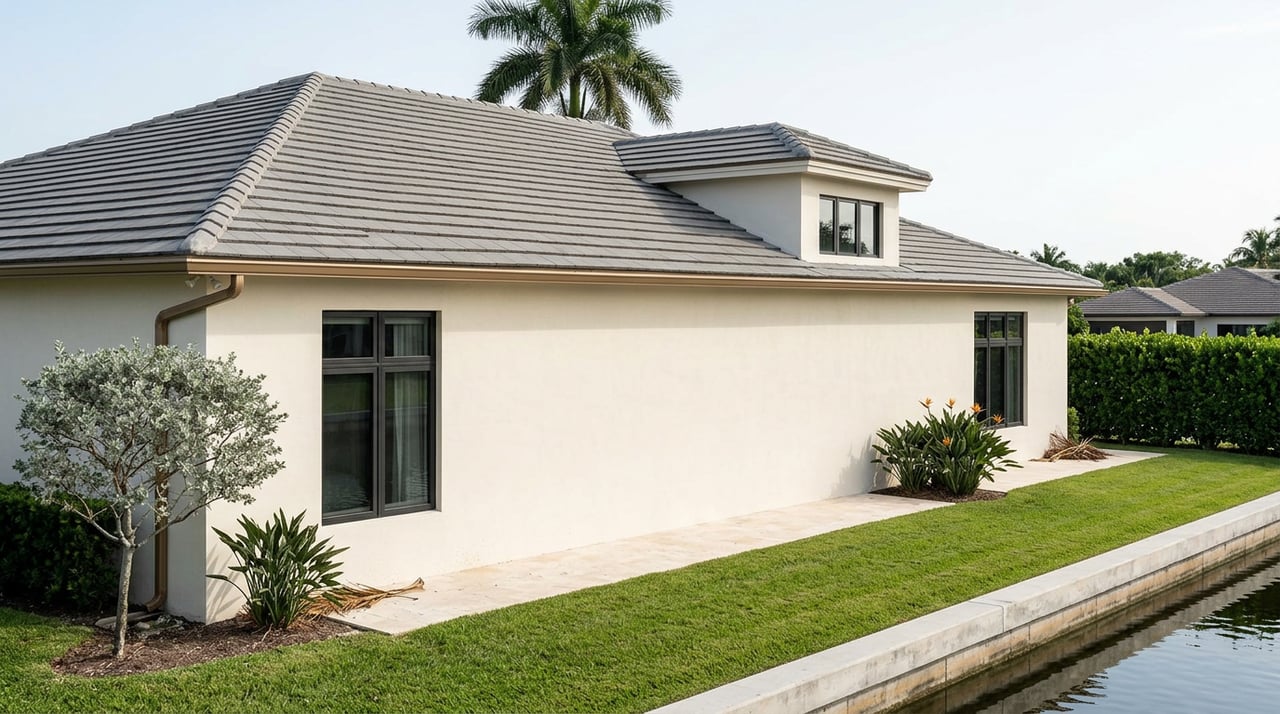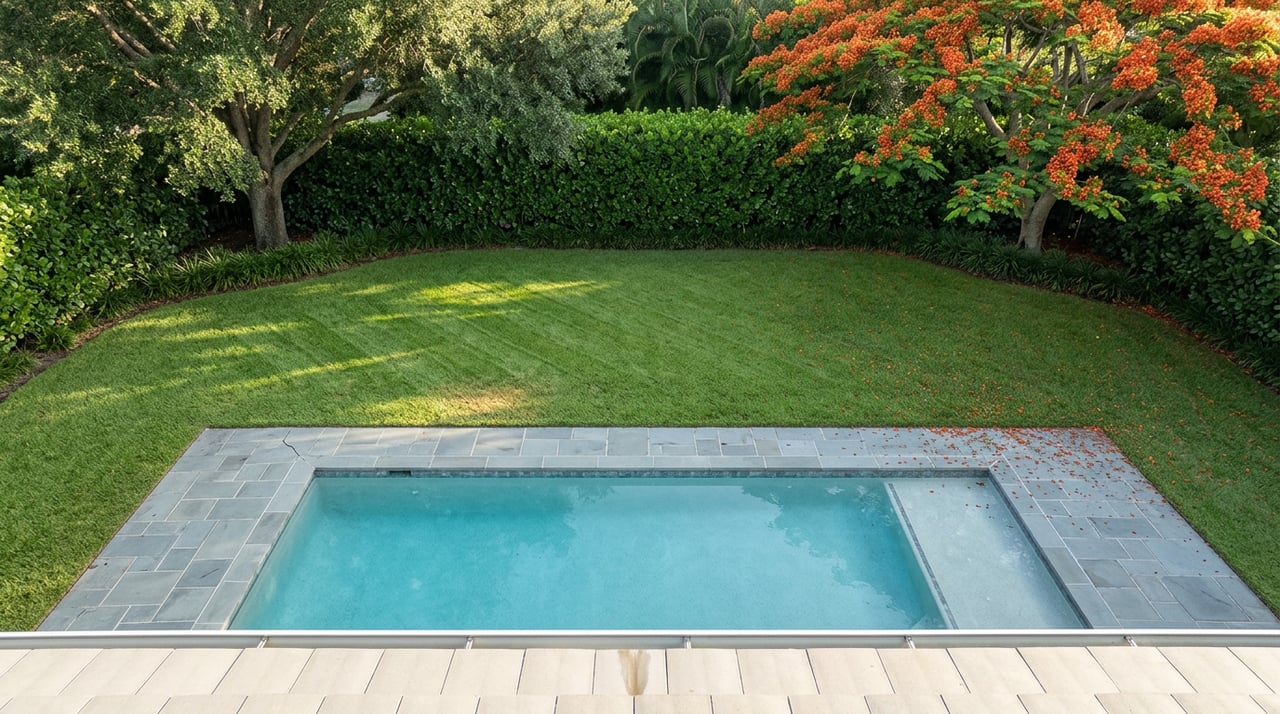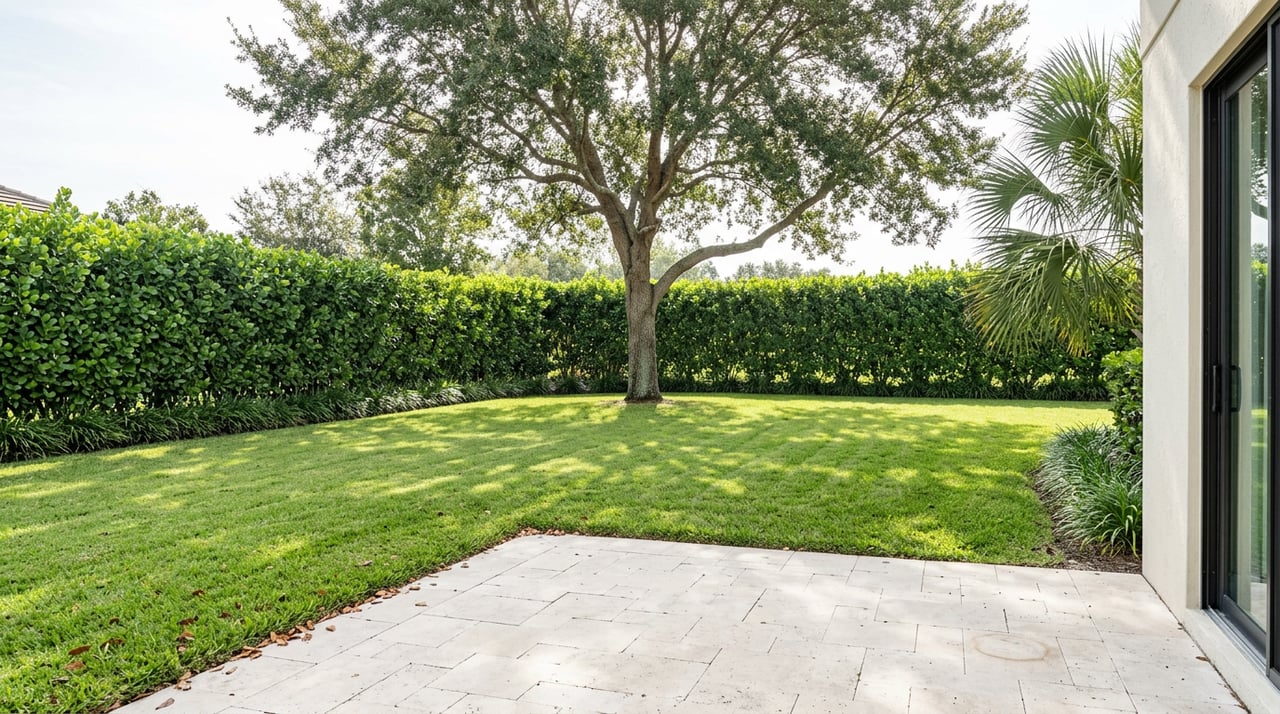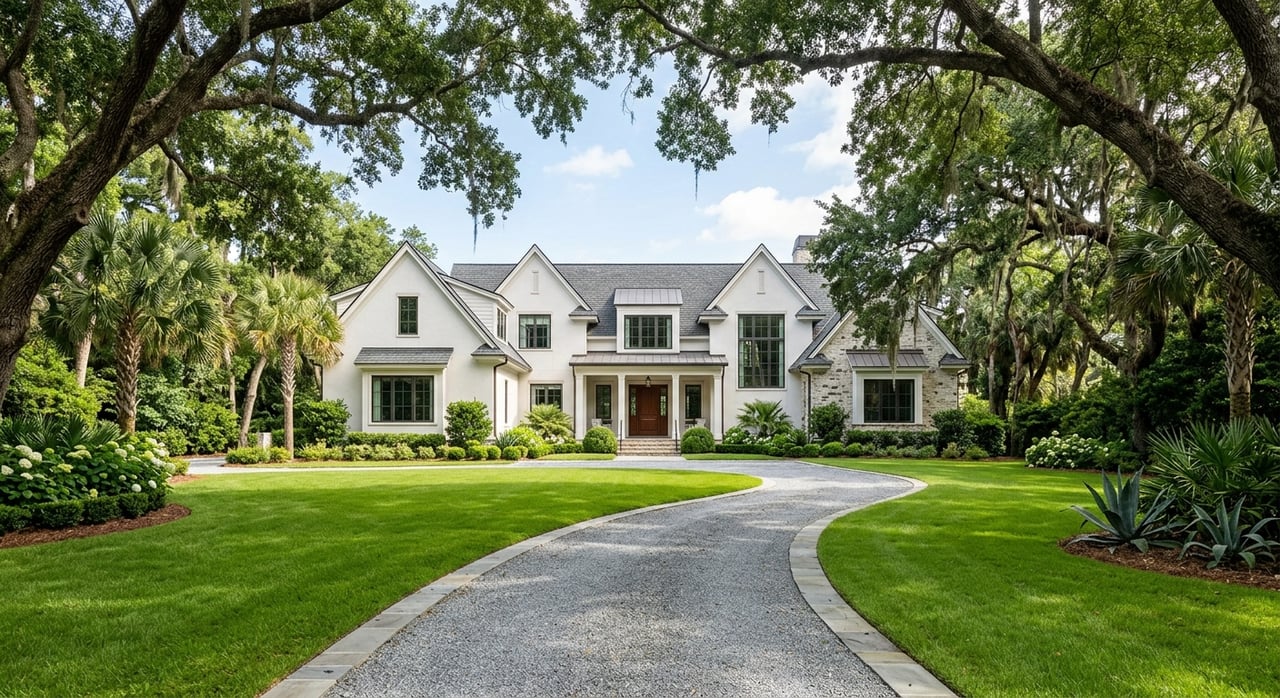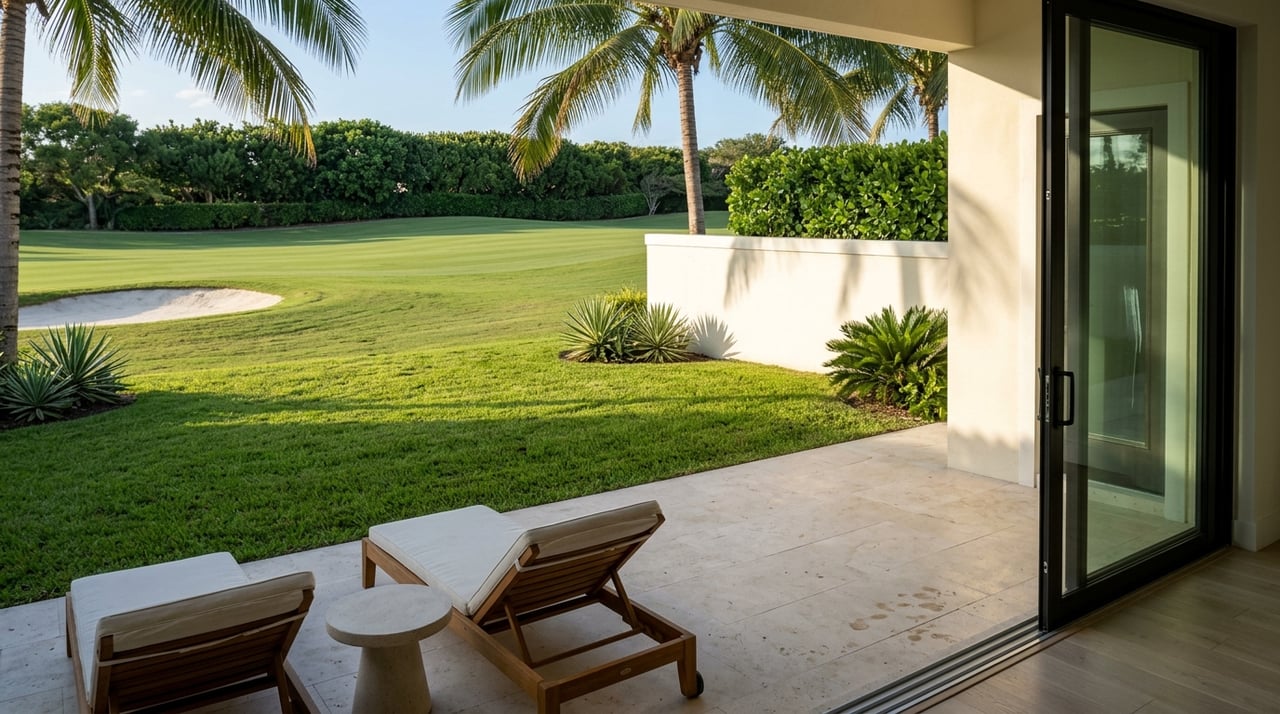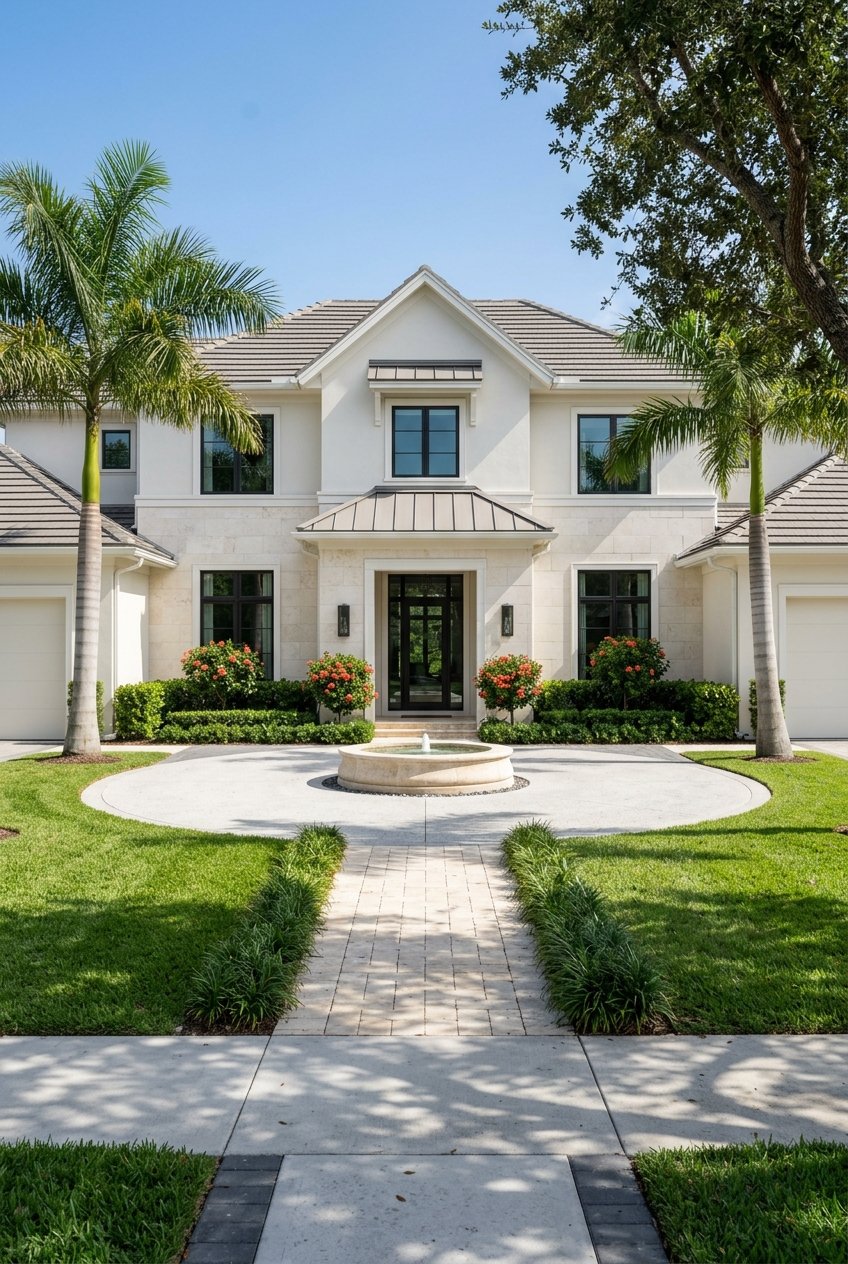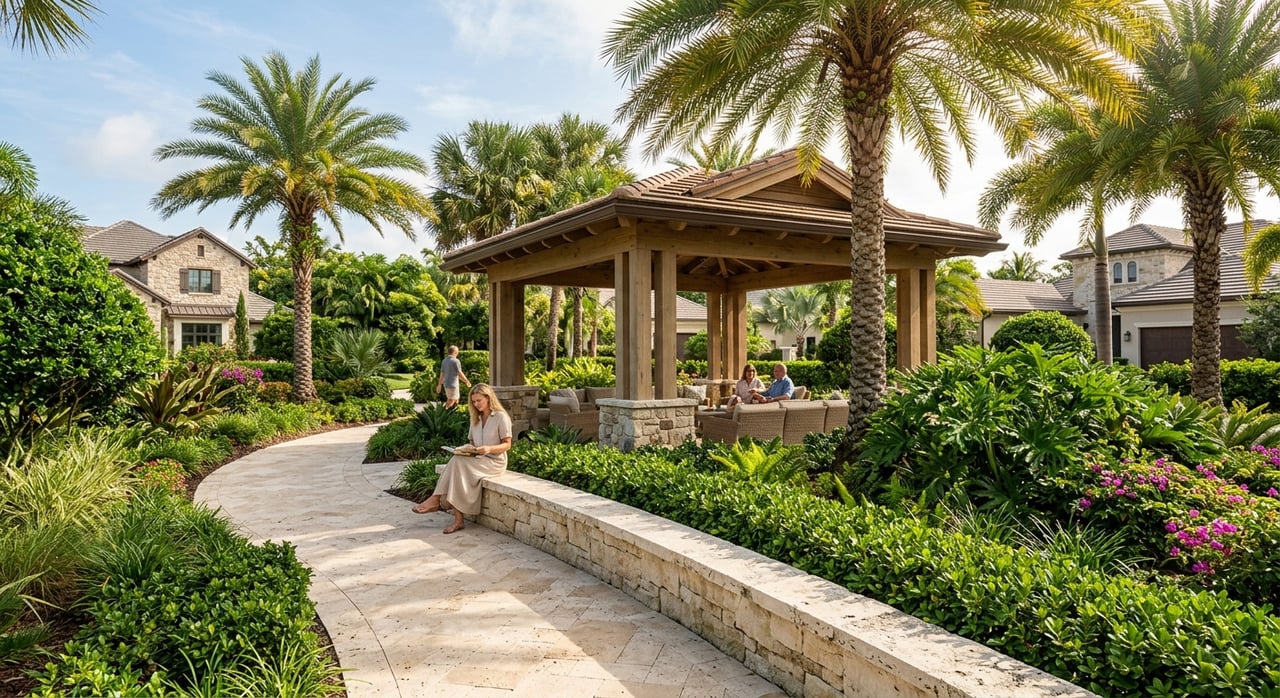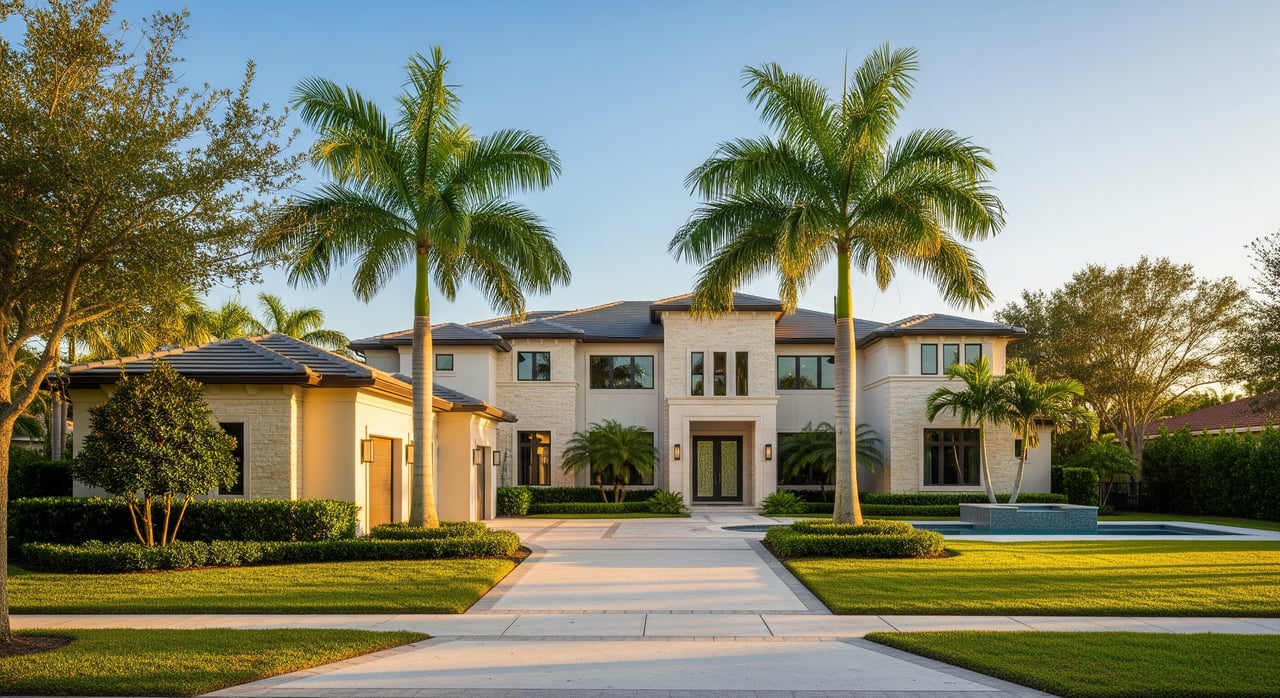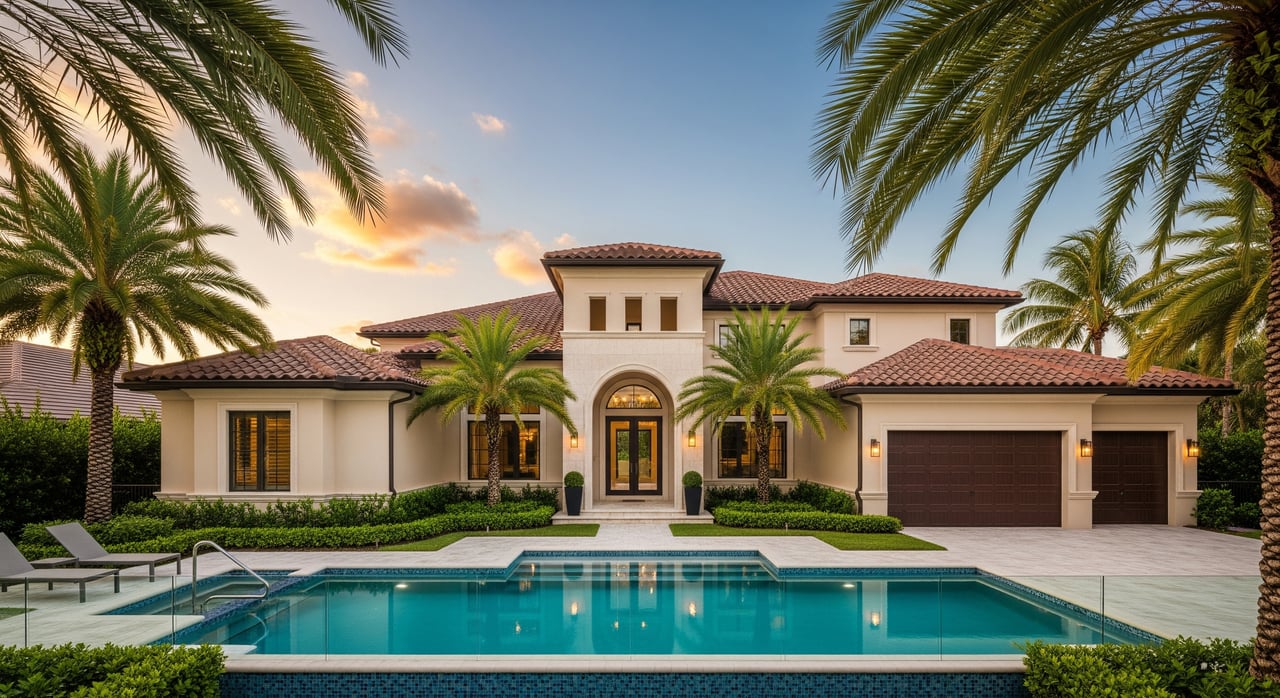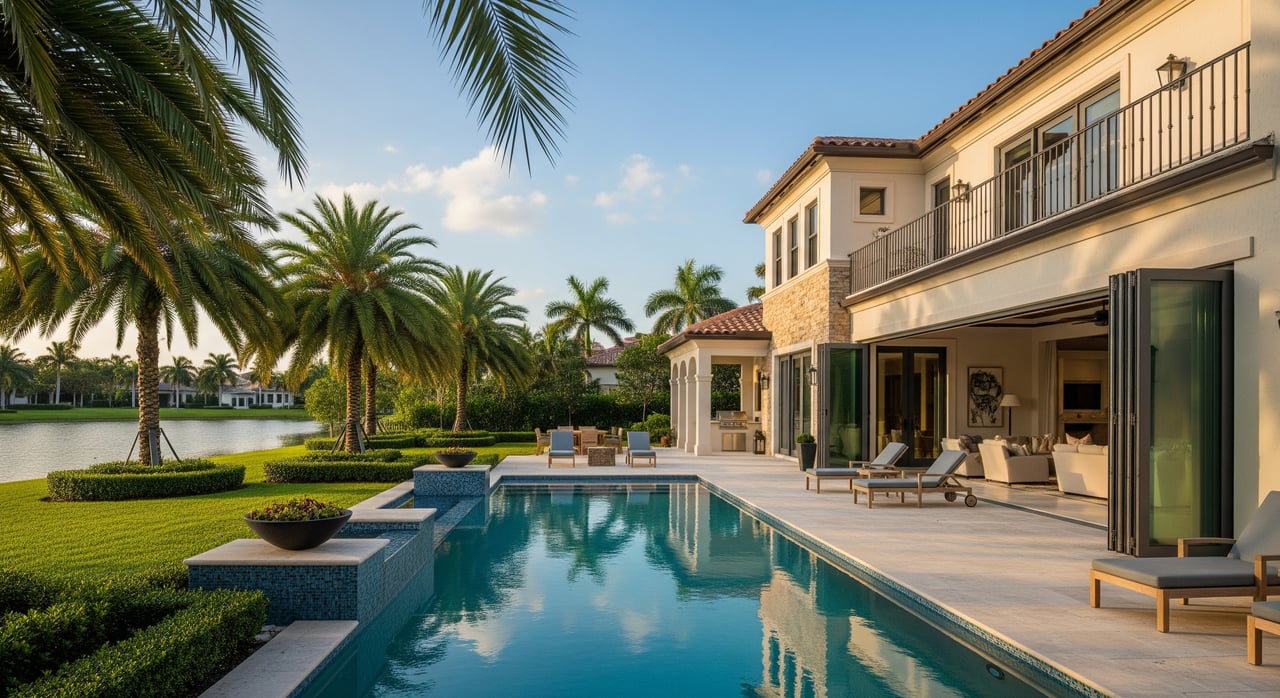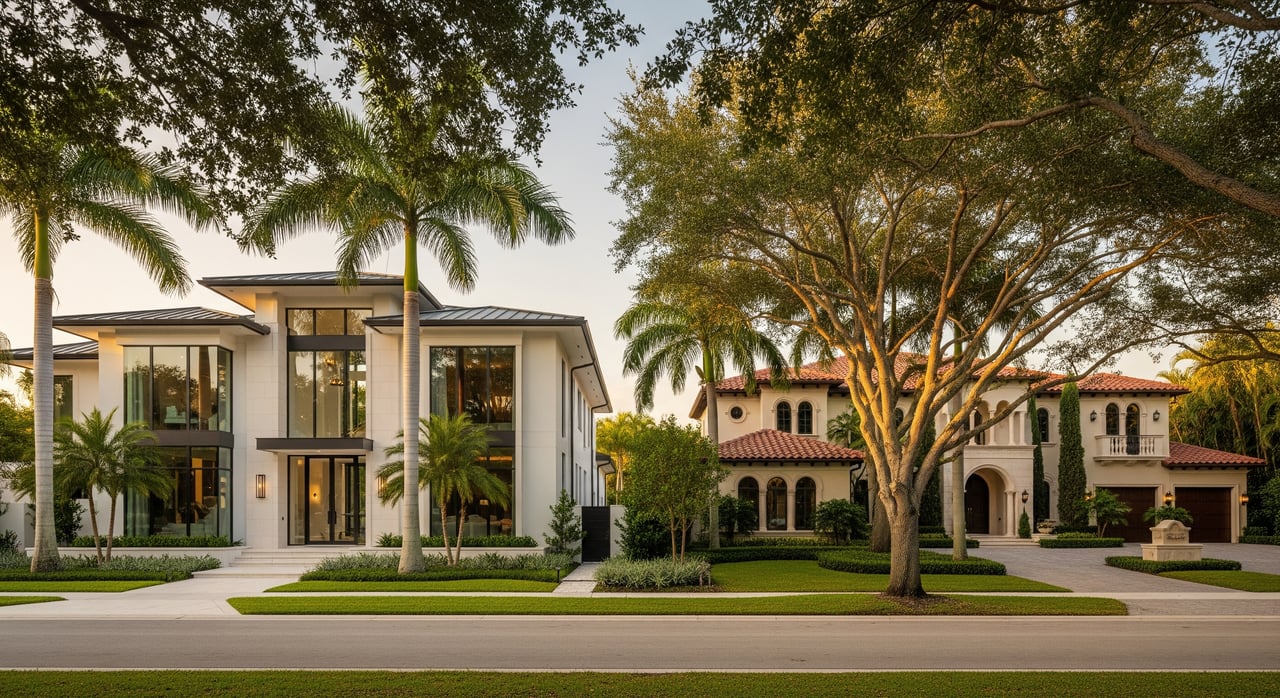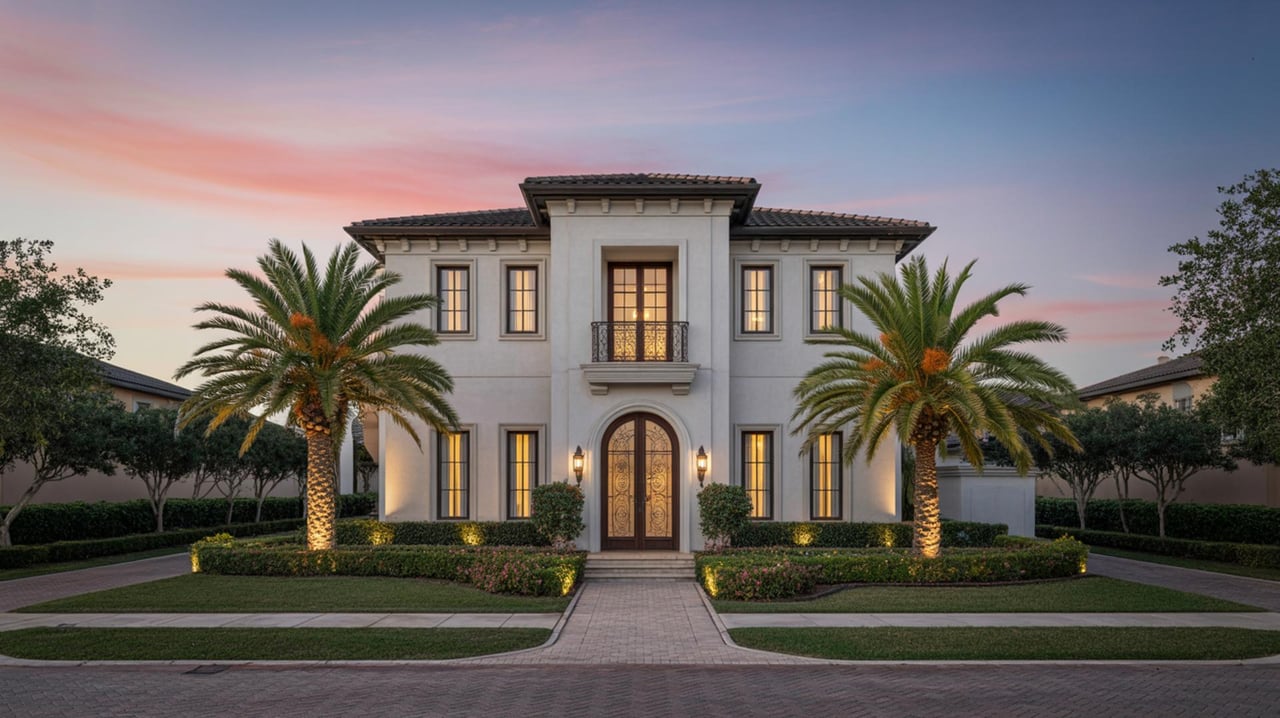
Two homes go under contract in Coral Springs the same week. Both list around $850,000. Both close within a few points of asking. On paper, the buyers are getting the same deal.
Then the insurance quotes come back.
One buyer's annual premium lands close to the county average. The other's carries a mandatory flood policy stacked on top, a cost that wasn't in the mortgage calculator, wasn't flagged by the listing, and wasn't obvious from a flood zone map. Same price. Same city. Different bill, and the reason has nothing to do with whether the house sits on a canal.
That gap is the story nobody in the "Broward insurance rates are finally coming down" headlines is telling you. The rate cut is real. But a separate rule taking effect the same year works against it, and it hits exactly the price bracket where a lot of Coral Springs move-up buyers are shopping.
The rate cut everyone is citing
Start with the good news, because it is genuinely good. Citizens Property Insurance, Florida's insurer of last resort, approved rate reductions taking effect at Spring 2026 renewals. The Governor's office announced that Broward County homeowners will see the largest county-level reduction in the state: an average 14.1 percent cut affecting roughly 27,000 policies. Miami-Dade came in at 14.0 percent, Palm Beach at 11.9 percent. Citizens itself called it the first rate decrease for personal lines policyholders since 2015.
That is a meaningful number if you are one of the roughly 27,000 Broward households on a Citizens policy. On a $6,000 annual premium, a 14.1 percent cut is close to $850 a year back in your pocket. For a buyer running the math on whether a Coral Springs home fits the budget, that is not nothing.
Here is where it gets less tidy. The 14.1 percent figure is an average across all of Broward's Citizens book. It says nothing about what happens to your specific premium if your roof is 18 years old, or your home sits within a few hundred feet of a canal, or your dwelling replacement cost crosses a threshold that changed on January 1 of this year.
The mandate that offsets it
That threshold is the part of the 2026 insurance story that has gotten far less attention than the rate cut, and it matters more for Coral Springs than for a lot of the rest of Broward.
As of January 1, 2026, any Citizens policyholder whose home has a dwelling replacement cost of $400,000 or more is required to carry flood insurance, regardless of what FEMA flood zone the property sits in. This is not a coastal rule. It is not tied to whether your neighborhood has canals. It is tied to the value of the structure and the fact that your insurer is Citizens.
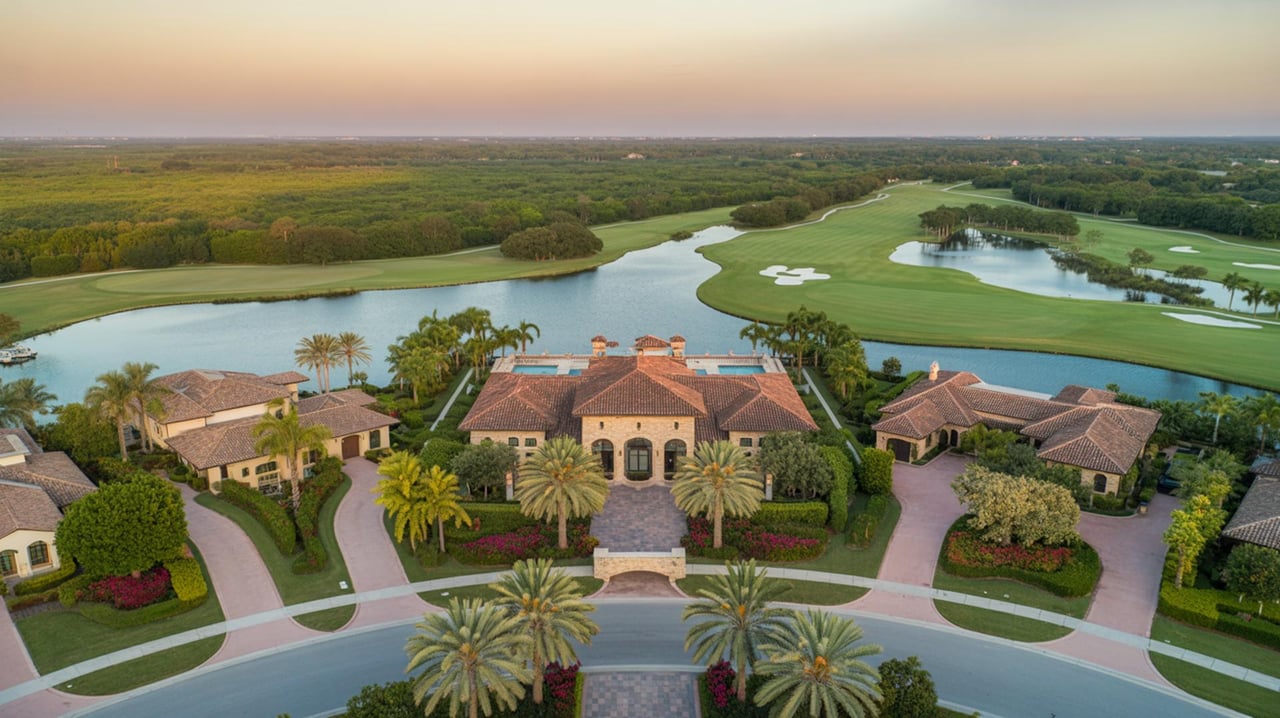
Run that threshold against Coral Springs pricing and the relevance becomes obvious. Kensington's canal-front homes list from roughly $650,000 to $950,000, with some renovated five-bedroom properties clearing $1 million. Eagle Trace, the gated golf community built around a 7,000-plus-yard course with an island green and, unusually for South Florida, no palm trees on the property, had a median list price of $949,000 as of August 2026. A dwelling replacement cost, which is what an insurer uses to rebuild the structure, not what it would sell for, routinely clears $400,000 on homes in this price range once you account for current construction costs.
So the buyer in that Eagle Trace or Kensington price band, if their policy sits with Citizens, is not just watching a rate cut arrive. They are watching a new flood insurance line item arrive at the same time, on a property that may not be in a flood zone at all. Whether the net effect is a savings or a new expense depends entirely on which of those two forces is bigger for that specific house, and that is not something a portal listing or a median price will tell you.
Why roof age decides which bucket you're in
The variable that decides whether a Coral Springs home ends up on Citizens in the first place, rather than a private carrier with more competitive flood terms, mostly comes down to the roof.
Insurers treat 15 years as the first real inflection point. Past that age, roofs start triggering premium surcharges and narrower carrier options. Past 25 years, a roof is frequently uninsurable on the private market altogether, which pushes the property to Citizens by default, and now brings the $400,000 flood mandate along with it if the home's replacement cost clears that line.
This is where the neighborhood-level differences in Coral Springs start to matter beyond curb appeal. A broker who has sold more than 100 homes in Kensington over 45 years has pointed out that the neighborhood's Spanish ranch-style houses were built under hurricane codes newer than much of the surrounding area, with three-car garages and lot sizes that avoid the cookie-cutter tract-home pattern common elsewhere. That construction era can be a genuine insurability advantage if the roofs have been maintained or replaced on a normal cycle. It does not exempt a canal-front Kensington home from the flood mandate if the dwelling value crosses $400,000 and the policy sits with Citizens.
Turtle Run tells a different version of the same story. It is a smaller master community built around several distinct villages, including the roughly 111 single-family homes in Newport at Turtle Run and the gated townhome and condo village of Cypress Pointe. HOA fees across these villages commonly bundle lawn maintenance, the community pool, private road upkeep, and entry security cameras, which changes the math again: a lower list price with a fuller HOA bundle can still land at a similar all-in monthly cost to a higher-priced, thinner-HOA home elsewhere in the city.
What this looks like by neighborhood
| Neighborhood | Typical price band (2026) | What actually drives the insurance line |
|---|---|---|
| Kensington | $650K–$950K+, canal lots | Built under newer hurricane codes per longtime local broker; canal proximity and dwelling value can still trigger the $400K flood mandate if insured through Citizens |
| Turtle Run | ~$695K median (Newport village, June 2026) | HOA often bundles pool, lawn, and private roads; village and product type matter more than the neighborhood name |
| Eagle Trace | ~$949K median (Aug. 2026) | Gated golf community; higher dwelling values put more homes at risk of crossing the flood-mandate threshold regardless of flood zone status |
What a buyer or seller actually does with this
None of this is a reason to avoid a canal lot or a golf-course address in Coral Springs. It is a reason to ask a different question earlier than most buyers do.
Before writing an offer, ask the seller which carrier holds the current policy and whether it is Citizens or private. Ask for the dwelling replacement cost figure on the declarations page, not the market value. If the answer puts the home over $400,000 in replacement cost and the policy is with Citizens, budget for a flood policy as a certainty, not a maybe, even if the county's flood maps show the parcel outside a high-risk zone.
For sellers, the same information works in your favor if you have already made the switch to a private carrier with more competitive flood terms, or if a recent roof replacement keeps you out of the surcharge tiers. That is a concrete, verifiable detail that separates your listing from a comparable one down the street where the buyer will discover the flood mandate only after the insurance quote comes back.
FAQ
Does the $400,000 flood mandate apply if my home isn't in a FEMA flood zone? Yes. The requirement is tied to dwelling replacement cost and Citizens policyholder status, not flood zone designation. A home in a low-risk zone can still be required to carry flood coverage if it meets the value threshold and is insured through Citizens.
Does the rate cut apply to private insurers too, or just Citizens? The 14.1 percent figure is specific to Citizens' Broward book. Several private carriers, including State Farm and Florida Peninsula, have filed their own smaller rate decreases for 2026, but the size and timing vary by company and by when your policy renews.
If I switch from Citizens to a private carrier, does the flood mandate go away? It can. The January 1, 2026 requirement is specific to Citizens policyholders. A private carrier may not impose the same flood mandate, though many will still price flood risk into the policy or require it separately depending on the property's location and value.
Insurance math like this is exactly the kind of detail that gets lost between a listing photo and a closing statement, and it is the difference between a Coral Springs home that fits your budget on paper and one that fits it in practice. If you are comparing neighborhoods and want the real numbers behind a specific address, the Steven Kaminer team can walk through what a home's current policy actually covers before you write an offer. Request a complimentary home valuation or speak with our team today.