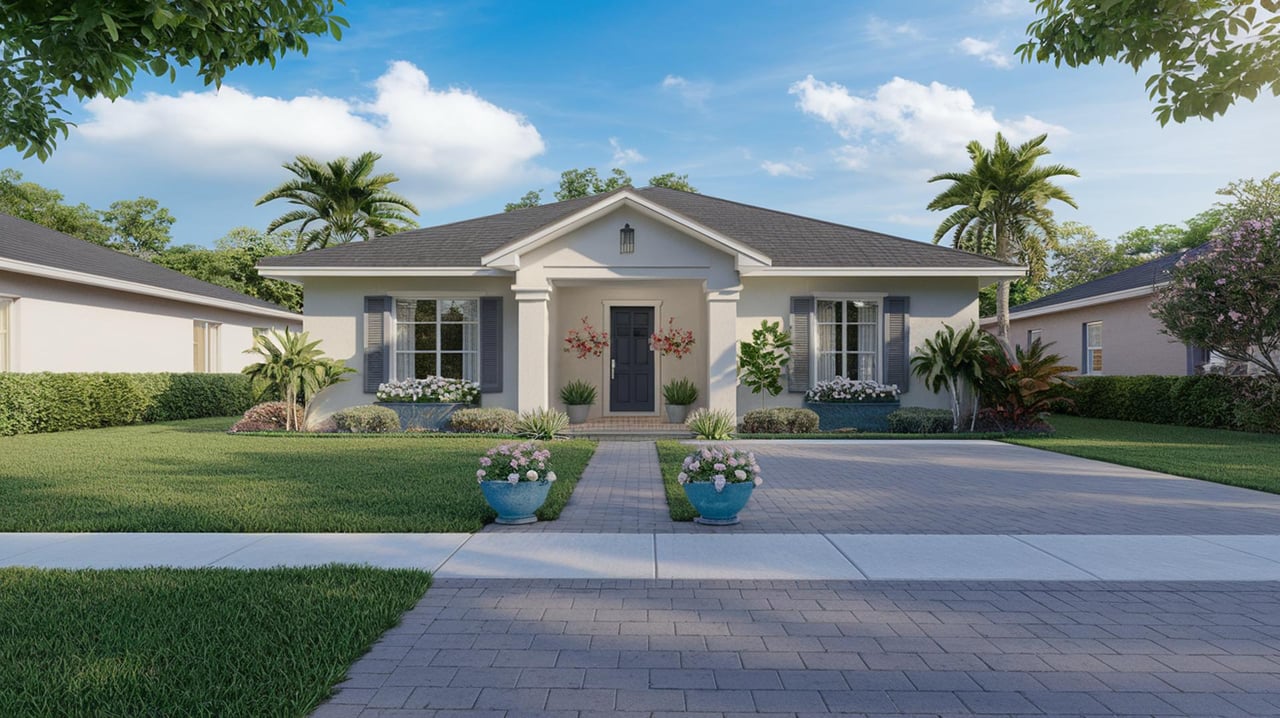
Thinking about buying a condo or townhome in Coral Springs? It can be a smart move, but these properties come with rules, fees, and legal details that can affect your budget and your day-to-day ownership experience. If you understand what to review before you make an offer, you can avoid surprises and make a more confident decision. Let’s dive in.
Know the difference first
One of the biggest mistakes buyers make is assuming a condo and a townhome are the same thing. In Florida, a condo is a specific legal ownership structure under Chapter 718, while a townhome describes the style of the home, not always the legal setup.
That means a townhome in Coral Springs could be part of a condo association or part of a homeowners' association. Before you focus on finishes or layout, confirm the recorded documents so you know exactly what you are buying.
Why legal structure matters
The legal structure affects what you own, what the association maintains, and how costs are shared. It can also affect financing, insurance, and what happens if major repairs are needed.
With a condo, you generally own the unit and an undivided interest in the common elements. The association manages shared property and collects assessments tied to common expenses.
With a townhome, the maintenance split depends on the governing documents. You should never assume the owner handles the roof and exterior, or that the association does. The documents control that answer.
Review the association documents carefully
When you buy a condo or townhome in Coral Springs, the documents often tell you more than the showing does. A clean kitchen and fresh paint may look great, but the budget, rules, and maintenance history can have a bigger impact on your ownership experience.
Start by reviewing the key association records, including:
- Declaration
- Bylaws
- Rules and regulations
- Current budget
- Insurance policies
- Reserve funding information
- Meeting minutes
- Any special assessments
- Litigation history, if any
- Rental restrictions
- Pet rules
- Parking rules
- Approval requirements for buyers or tenants
Florida law requires condo and HOA associations to keep and make available official records such as budgets, insurance policies, contracts, and financial records. For you as a buyer, that makes document review an essential part of due diligence.
Confirm who handles maintenance
Maintenance responsibility is one of the most important questions to ask before closing. It affects your monthly costs, your future repair exposure, and how much control you have over the property.
In condos, the association is generally responsible for common elements. Some limited common elements may be assigned to the owner, or the cost may be shared only among the owners who use them.
In HOA-governed townhome communities, the exact split can vary. You should confirm who is responsible for items such as:
- Roof
- Exterior walls
- Windows
- Landscaping
- Patios
- Driveways
- Exterior paint
- Common-area repairs
This step matters because two homes that look very similar can come with very different maintenance obligations.
Ask about building safety in Florida condos
If you are considering a condo, building safety questions deserve extra attention. Florida now requires milestone inspections and structural integrity reserve studies for many residential condominium buildings.
As of June 2026, owner-controlled condo associations that existed on or before July 1, 2022, and have buildings three habitable stories or higher should already have completed a structural integrity reserve study by December 31, 2025. Milestone inspections are generally due when a building reaches 30 years of age, with a possible 25-year trigger in some local coastal or salt-water circumstances.
The structural integrity reserve study covers major components and deferred-maintenance items, including:
- Roof
- Structure
- Fireproofing
- Plumbing
- Electrical systems
- Waterproofing and exterior painting
- Windows and exterior doors
- Other high-cost repair items
If you are looking at an older condo building, ask whether these items have been completed and whether the association has planned for any related costs.
Understand financing before you shop
Financing a condo can be more complex than financing a detached home. Lenders often evaluate the entire project, not just your income, credit, and down payment.
According to Fannie Mae guidance in the research, lenders may review the community’s physical condition, financial stability, structural-debt exposure, litigation, evacuation orders, and whether required inspections have been completed. That means a unit you love may still face financing hurdles if the project does not meet lending standards.
If you plan to use FHA financing, the condo project must be FHA-approved or the unit may need to qualify for single-unit approval. If the project is not warrantable or not FHA-eligible, you may need a different loan product or a larger down payment.
Budget for the full monthly cost
It is easy to focus on principal, interest, taxes, and insurance, but condo and HOA dues should be part of your monthly budget from the start. These fees are usually paid separately from the mortgage.
The research notes that dues can range from a few hundred dollars to more than $1,000 per month. They also may not be included in the lender’s quoted monthly payment figure, so you should calculate your real housing cost before moving forward.
As you compare properties, ask what the monthly dues cover. In some communities, they may include items such as:
- Exterior maintenance
- Building insurance
- Water
- Sewer
- Trash
- Reserve contributions
- Recreation amenities
- Security-related services
A higher monthly fee is not always a negative if it covers major expenses you would otherwise pay separately. The key is understanding what you get and whether the budget appears sustainable.
Review insurance coverage closely
Insurance is another area where condo and townhome buyers need clarity. The association’s master policy may cover some parts of the property, but not everything inside your unit.
Ask whether the master policy covers the full building, the interior of the unit, and replacement-cost losses. You should also ask whether you will need a separate walls-in policy or added coverage for improvements, personal property, wind exposure, or flood exposure.
The research also notes that standard homeowner coverage does not cover flood damage. Depending on the property and coverage structure, flood insurance may be an important budget item to discuss early in the process.
Use a smart Coral Springs checklist
If you want a practical way to compare options, keep a short checklist with you as you tour properties in Coral Springs. It can help you look beyond surface appeal and focus on the details that affect ownership.
Here are the most important questions to ask:
- Is the property legally a condo or an HOA-governed parcel?
- What do the monthly dues cover?
- Are there any special assessments?
- Is there ongoing litigation or deferred maintenance?
- Has the building had a milestone inspection or structural integrity reserve study?
- Who is responsible for the roof, windows, exterior paint, patios, and other shared elements?
- What are the rules for pets, rentals, vehicles, guests, and renovations?
- Is the community financeable for your loan type?
These answers can protect your budget and help you avoid closing on a property that does not fit your goals.
Why Coral Springs appeals to many buyers
Beyond the property details, location still matters. Coral Springs offers a strong recreation backdrop, and the city reports that it maintains 49 parks along with a wide range of recreation facilities.
For many buyers, that local setting adds to the appeal of condo and townhome living. You may be able to enjoy a lower-maintenance lifestyle while still benefiting from the amenities and convenience that draw people to Coral Springs.
Buy with clarity, not guesswork
A condo or townhome can be an excellent fit if you want easier upkeep, shared amenities, or a different price point than a detached home. The key is making sure you understand the legal structure, association health, financing path, insurance needs, and long-term costs before you commit.
When you take the time to review the right documents and ask the right questions, you put yourself in a much stronger position to buy with confidence. If you want local guidance as you compare condo and townhome options in Coral Springs, connect with Steven Kaminer and the team for expert help every step of the way.
FAQs
What is the difference between a condo and a townhome in Coral Springs?
- A condo is a legal ownership structure, while a townhome is a building style. A townhome can be part of a condo association or an HOA, so you should verify the governing documents before buying.
What documents should you review before buying a condo or townhome in Coral Springs?
- You should review the declaration, bylaws, rules, budget, insurance policies, reserve information, meeting minutes, and any records related to special assessments, litigation, rental limits, pet rules, parking, and approval requirements.
What maintenance questions should you ask before buying a Coral Springs townhome or condo?
- Ask who is responsible for the roof, exterior walls, windows, landscaping, patios, exterior paint, driveways, and common-area repairs, because the answer depends on the community’s legal structure and documents.
Can a Coral Springs condo be harder to finance than a single-family home?
- Yes. Lenders may review the entire condo project’s financial and physical condition, not just your borrower profile, which can affect loan approval and down payment requirements.
Do condo and HOA fees affect your monthly housing budget in Coral Springs?
- Yes. These dues are usually separate from your mortgage payment and can add several hundred dollars or more to your monthly housing cost, depending on the community.
What insurance should you ask about when buying a condo in Coral Springs?
- Ask what the association’s master policy covers, whether it includes the unit interior, and whether you need additional walls-in, personal property, wind, or flood coverage.