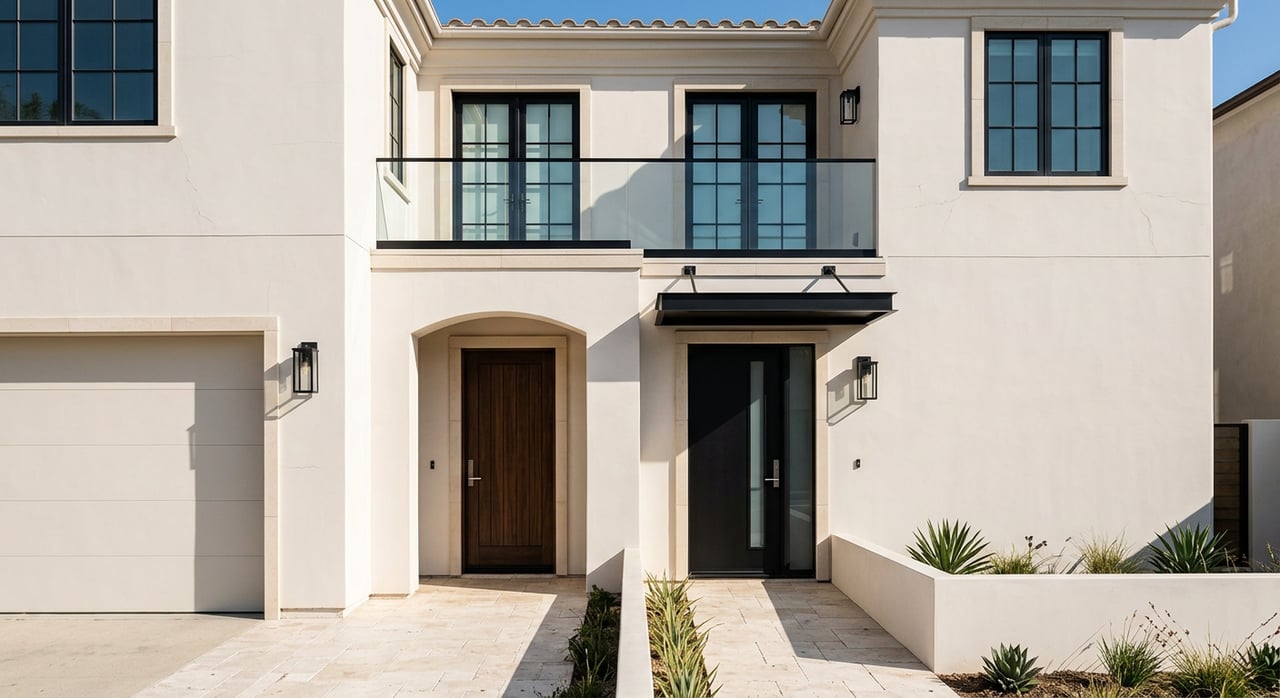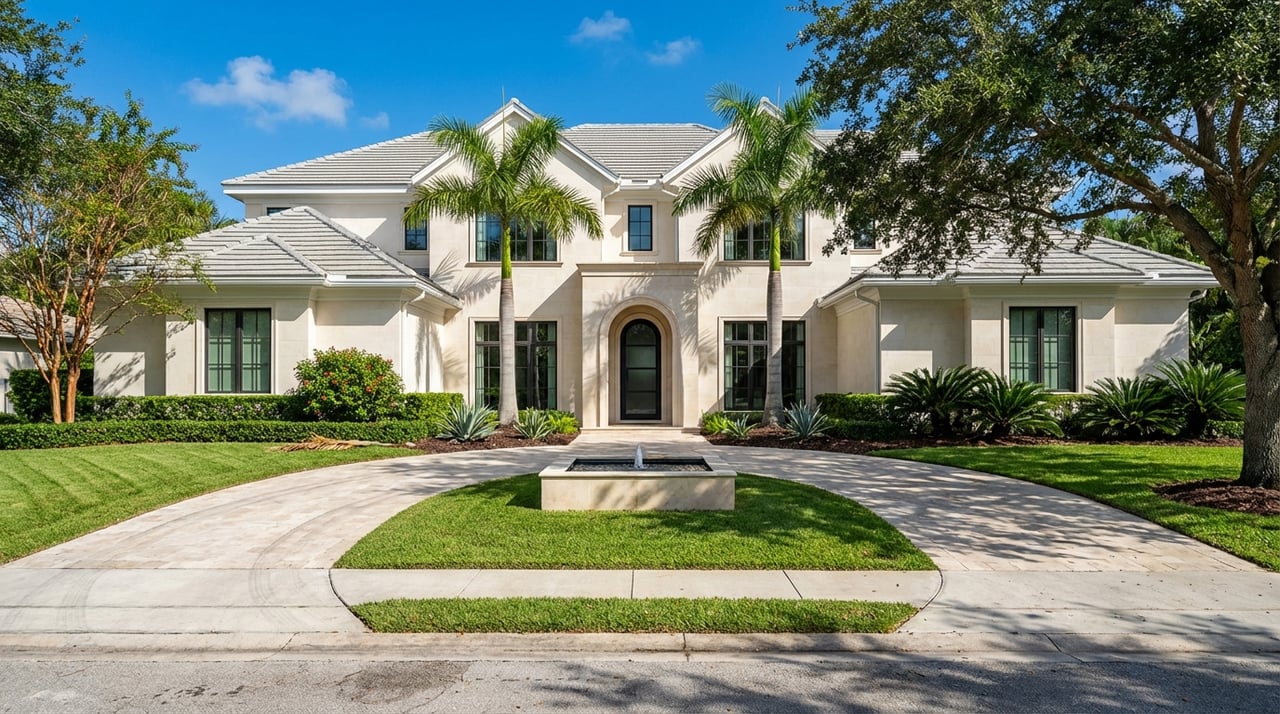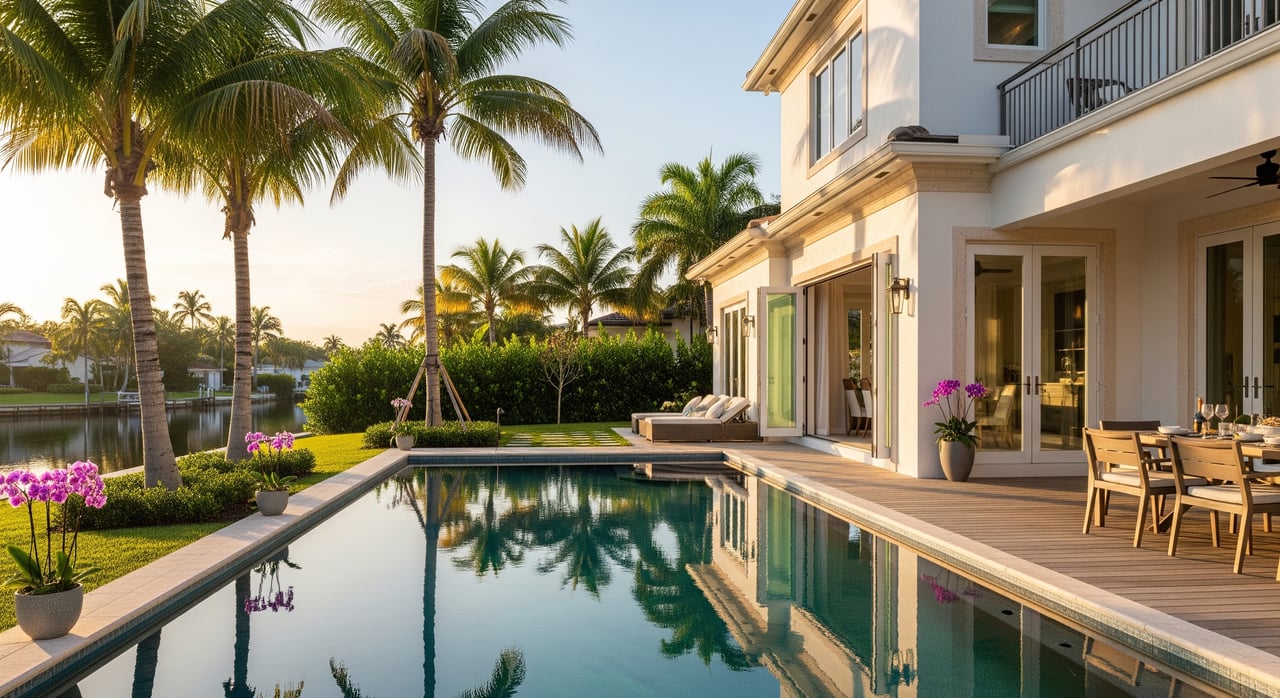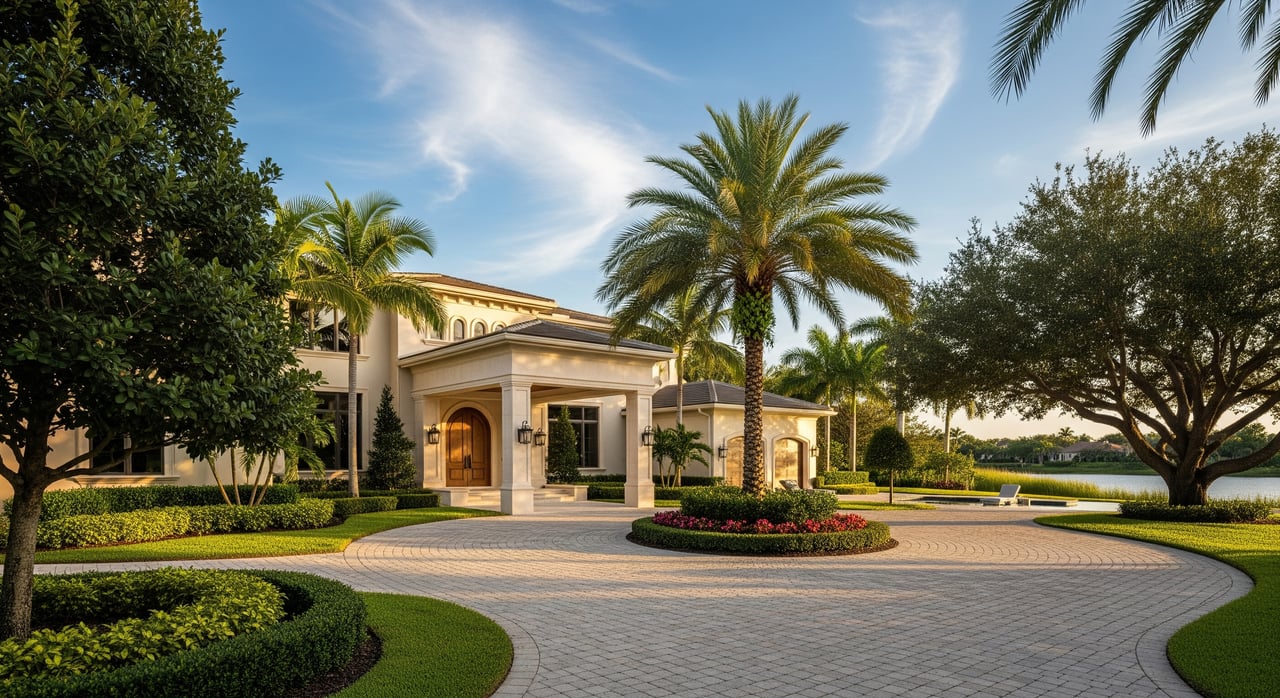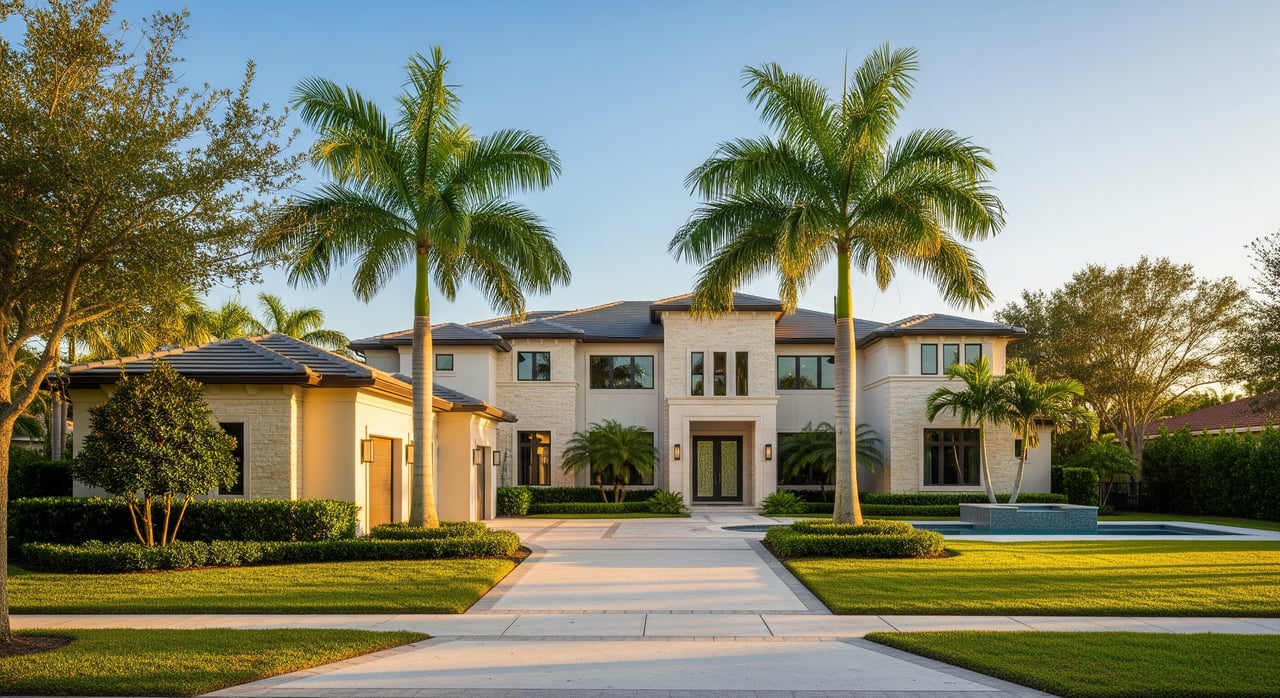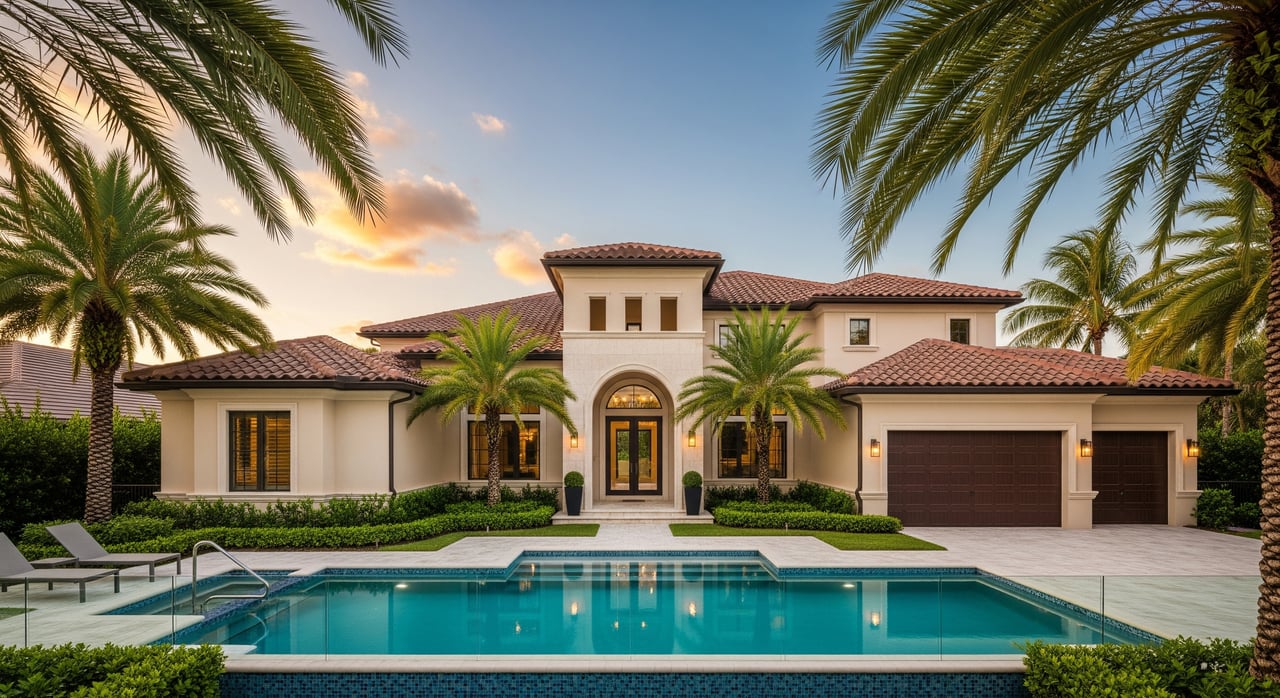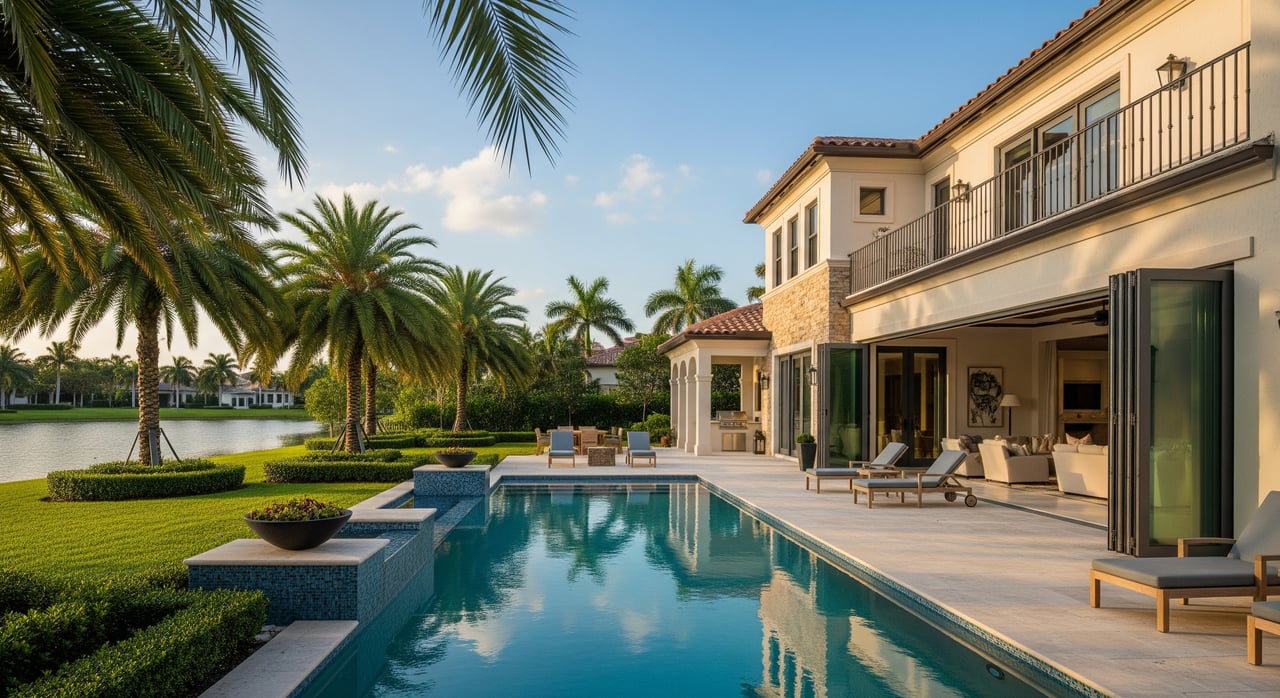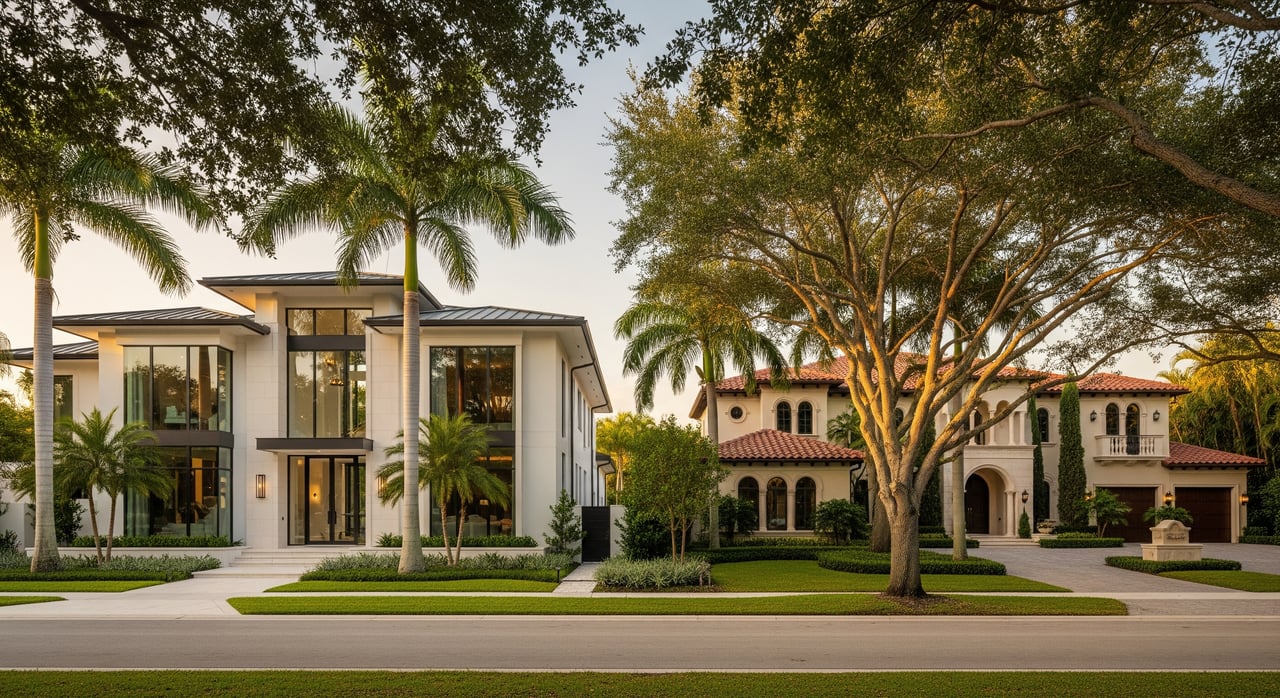
If you are comparing Parkland neighborhoods, one of the biggest questions is simple: do you want the character that comes with an established area, or the polished feel of a newer community? That choice can shape everything from lot layout to amenities to the kind of updates you may want over time. This guide will help you understand how Parkland’s older and newer neighborhoods generally differ so you can focus your home search with more confidence. Let’s dive in.
Parkland’s Growth Shapes the Comparison
Parkland was founded in 1963 and grew from a rural, low-density place into a city of nearly 38,000 residents across more than 8,000 acres. The city’s history points to a long evolution, with the first paved roads arriving in the 1980s and the first traffic light in the 1990s.
That history matters when you compare neighborhoods today. Much of Parkland’s housing stock was built before 2000, while the Wedge along Loxahatchee Road has been the main focus of newer single-family construction since 2012. In practical terms, that gives you two broad neighborhood experiences to compare.
What Established Parkland Neighborhoods Offer
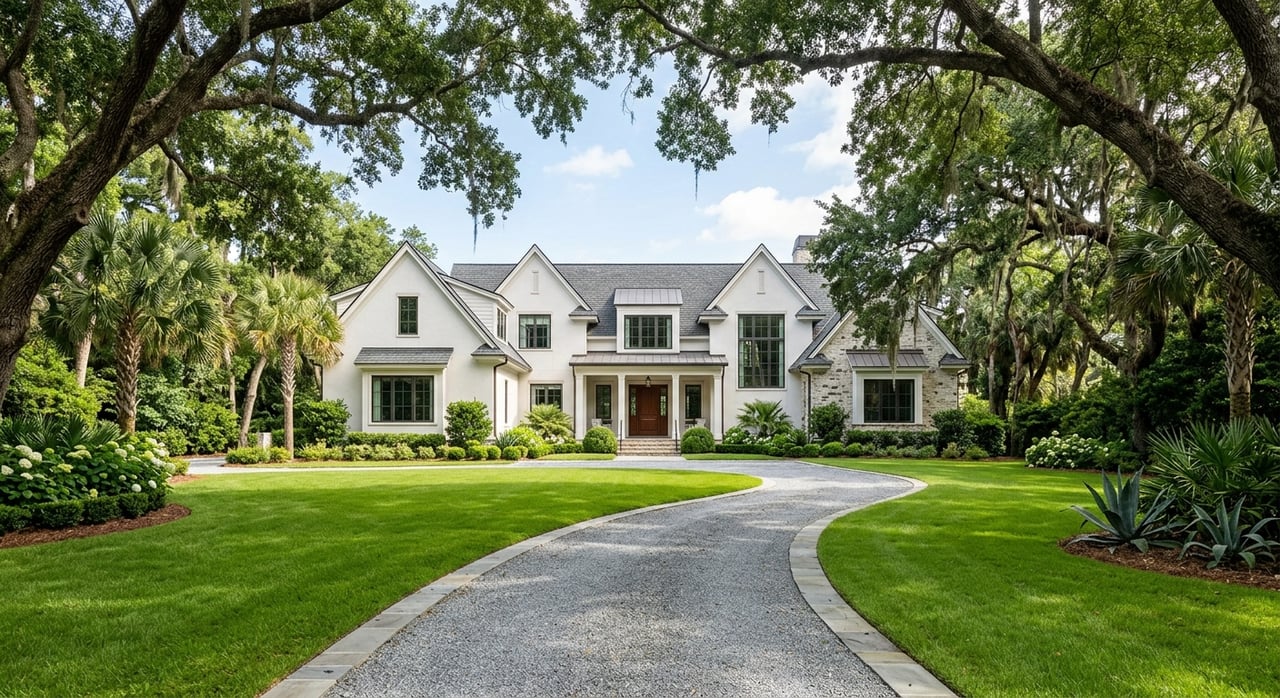
Established neighborhoods in Parkland include legacy and estate-style areas such as Pine Tree Estates and The Ranches, along with earlier planned communities like Parkland Isles. These areas tend to reflect older development patterns, including larger parcels, broader setbacks, and a less uniform street layout in some sections.
A neutral way to think about these neighborhoods is that they often feel more layered and individualized. You may notice older homes, mature landscaping, and more variation from one lot to the next. That impression lines up with the city’s housing age profile, lot patterns, and ongoing infrastructure updates in some older sections.
Established Areas Often Have Larger-Lot Patterns
The city’s subdivision setback chart offers a useful clue about neighborhood form. Pine Tree Estates is listed as AE-2 with buildings set 100 feet from the center of the road, while The Ranches is listed as AE-1. Parkland Isles includes 50-foot, 70-foot, and 80-foot lots.
For you as a buyer, that means established does not describe just one type of neighborhood. Some areas lean more estate-style, while others are more traditional planned subdivisions. The common thread is usually more variation in layout and streetscape than you often see in newer master-planned sections.
Infrastructure Can Be More Mature Too
Older neighborhoods also tend to have older infrastructure. The city is actively rehabilitating roads in Pine Tree Estates and improving drainage and road systems in The Ranches, including ditch work, resurfacing, and related upgrades near the Equestrian Center.
That does not mean an established neighborhood is a problem area. It simply means some legacy systems have been in place long enough to require city-led updates. If you are looking in an older section, it is smart to ask how recent or ongoing public improvements may affect your experience.
What Newer Parkland Communities Offer
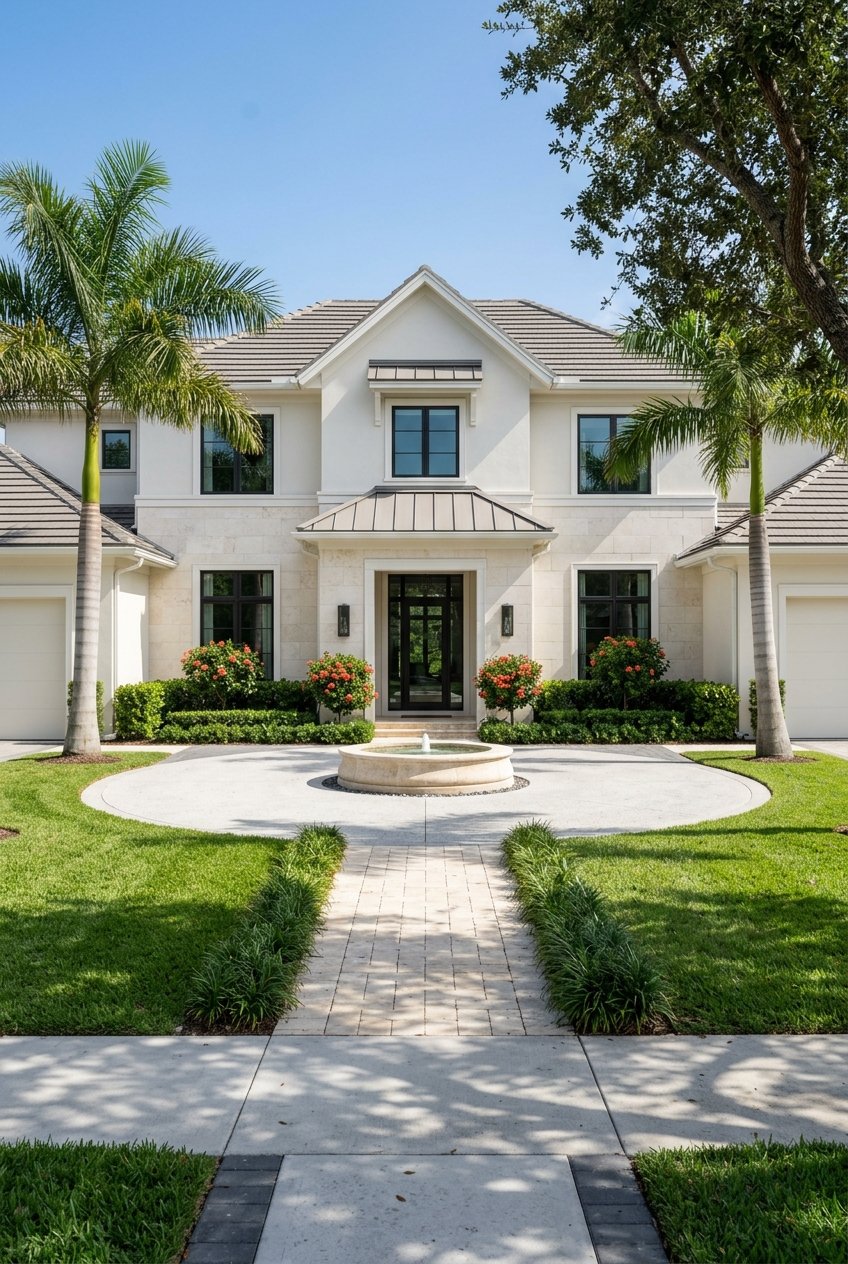
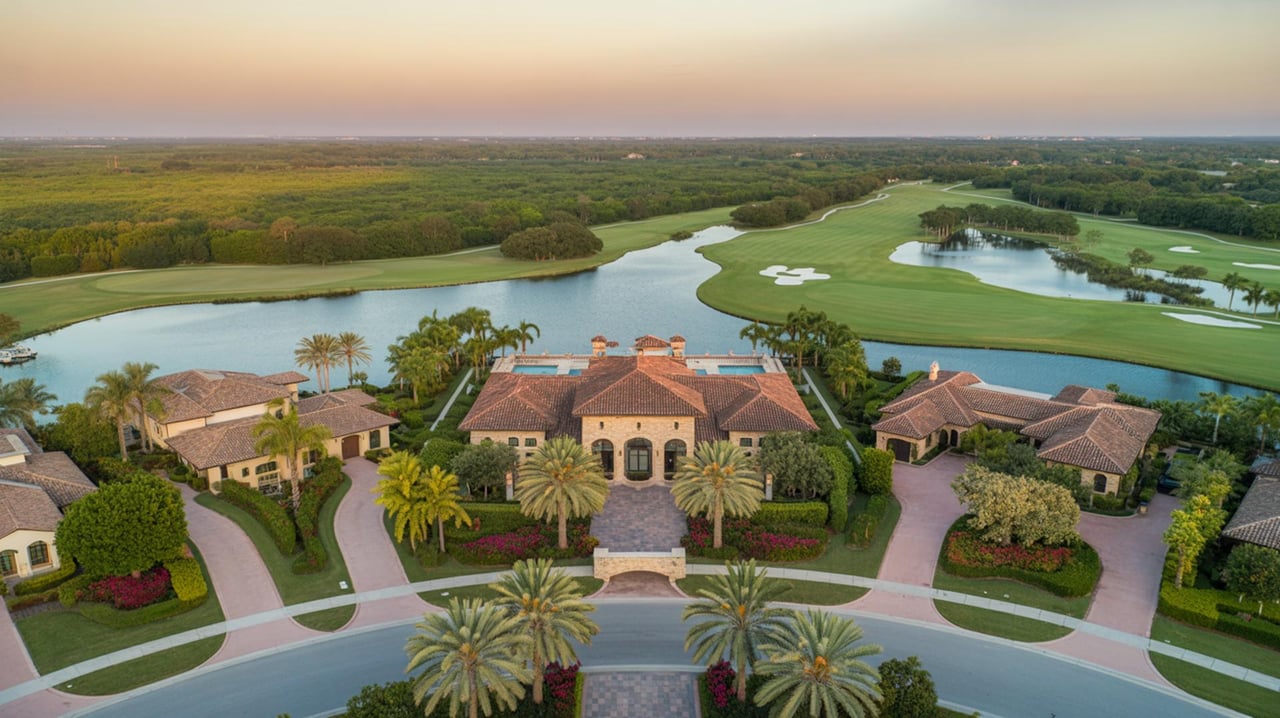
If your priority is newer construction, the clearest area to focus on is the Wedge along Loxahatchee Road. According to the city budget, that area has been the center of new single-family housing since 2012 and includes communities such as MiraLago, Watercrest, Cascata, Four Seasons, Parkland Bay, The Falls at Parkland, and Parkland Royale II.
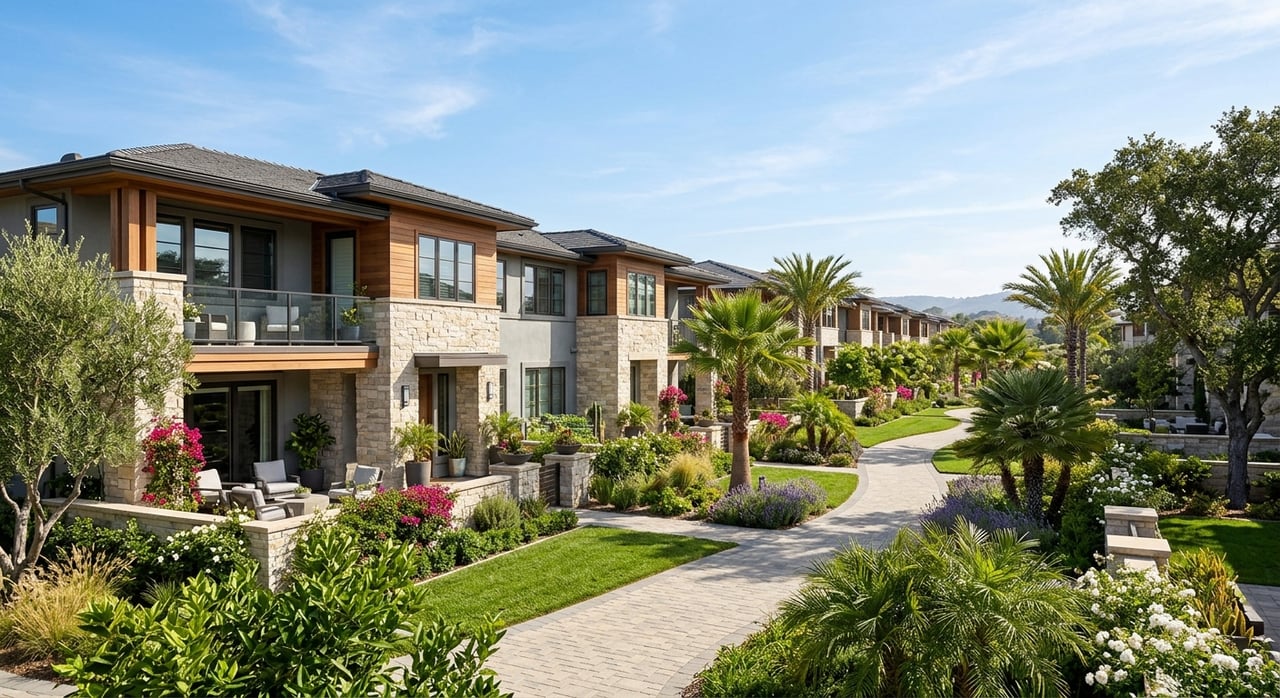
These communities often reflect a more curated, master-planned model. In many cases, the neighborhood design, amenities, and HOA structure are a bigger part of daily life than they are in older sections of Parkland.
Newer Does Not Always Mean Smaller Lots
One common assumption is that a newer neighborhood always means a smaller homesite. In Parkland, that is not always true.
The city’s setback chart shows that Parkland Bay includes 50-foot, 60-foot, 80-foot, and 110-foot lot types. MiraLago includes 50-foot, 65-foot, and 80-foot lots, while Watercrest includes 55-foot, 70-foot, and 90-foot lots. So if you want newer construction but still care about yard space or lot width, you may have more options than you expect.
Amenities Are Often Built Into the Neighborhood
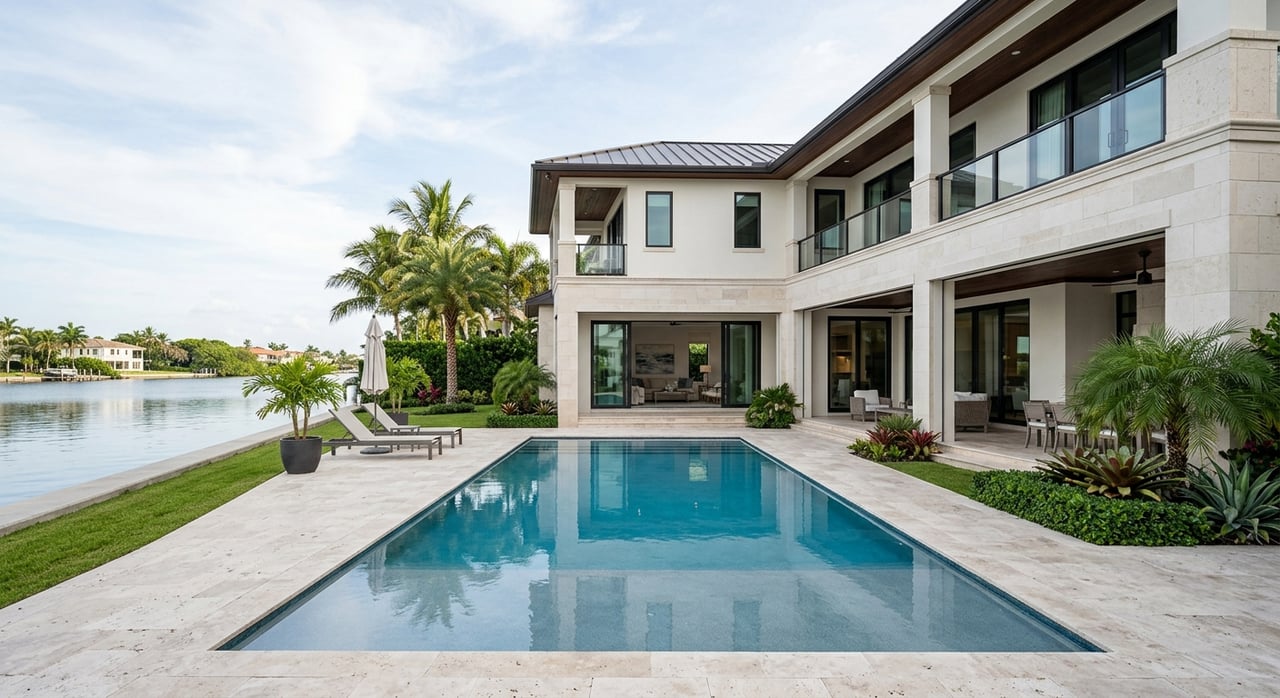
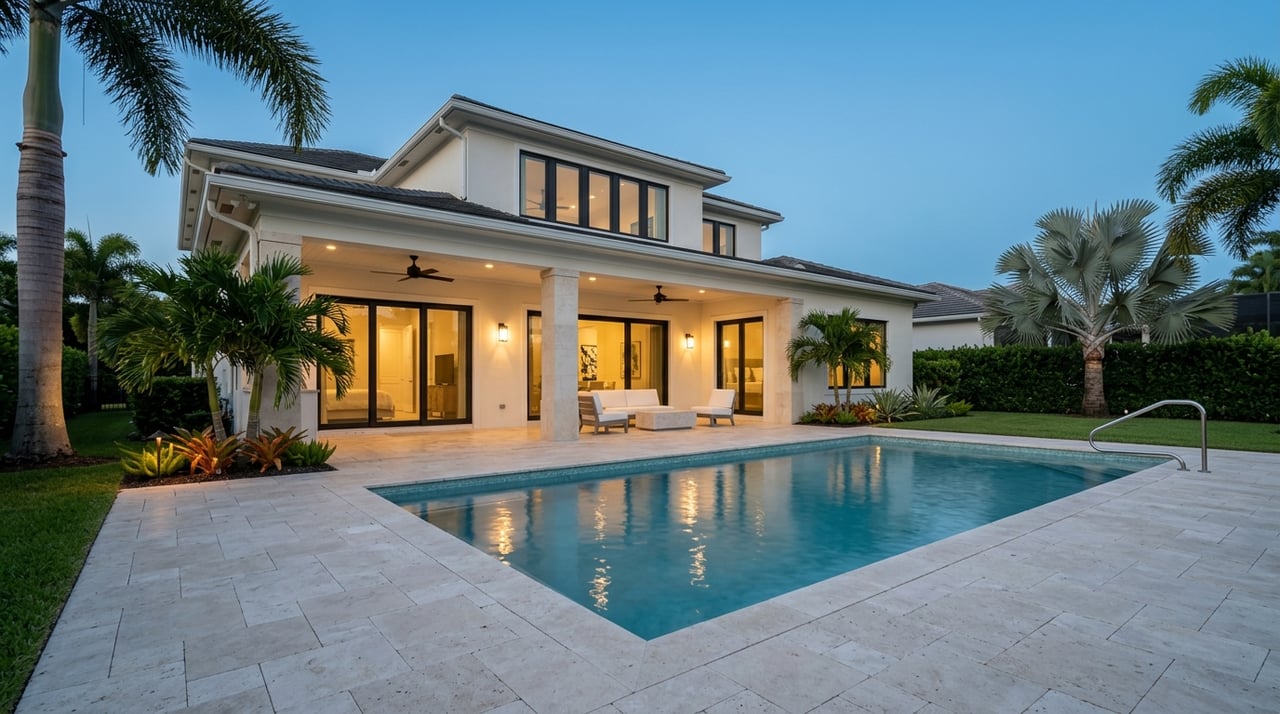
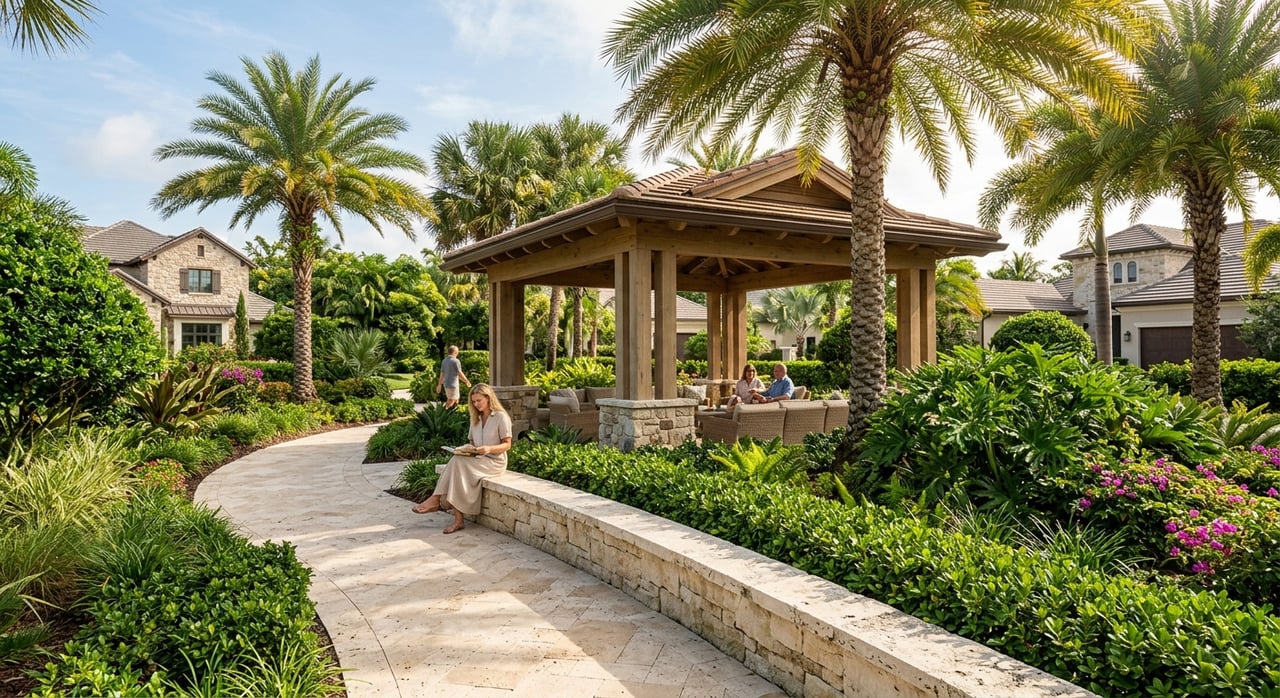
Newer communities in Parkland often place amenities at the center of the neighborhood experience. Parkland Bay is a good example. The city budget says it spans 420 acres with 552 single-family homes, and the current HOA materials describe features including a guardhouse, lakes, a park, a walking trail, and Club Grande with a pool area, fitness center, tot lot, multi-sport courts, fire pit, bar area, and culinary kitchen.
MiraLago also reflects that newer planned-community approach. City records group MiraLago with Town Parc and Watercrest as built out with 1,109 homes and 230 townhomes, while community materials describe features such as cul-de-sacs, water-oriented layouts, lake views, and a range of floor plans.
Watercrest is part of the same newer wave. Its official HOA presence and community activity materials point to an amenity-managed setting, and the neighborhood’s lot mix suggests some variety within a still more standardized overall layout.
Planned Lifestyle Communities Add Another Option
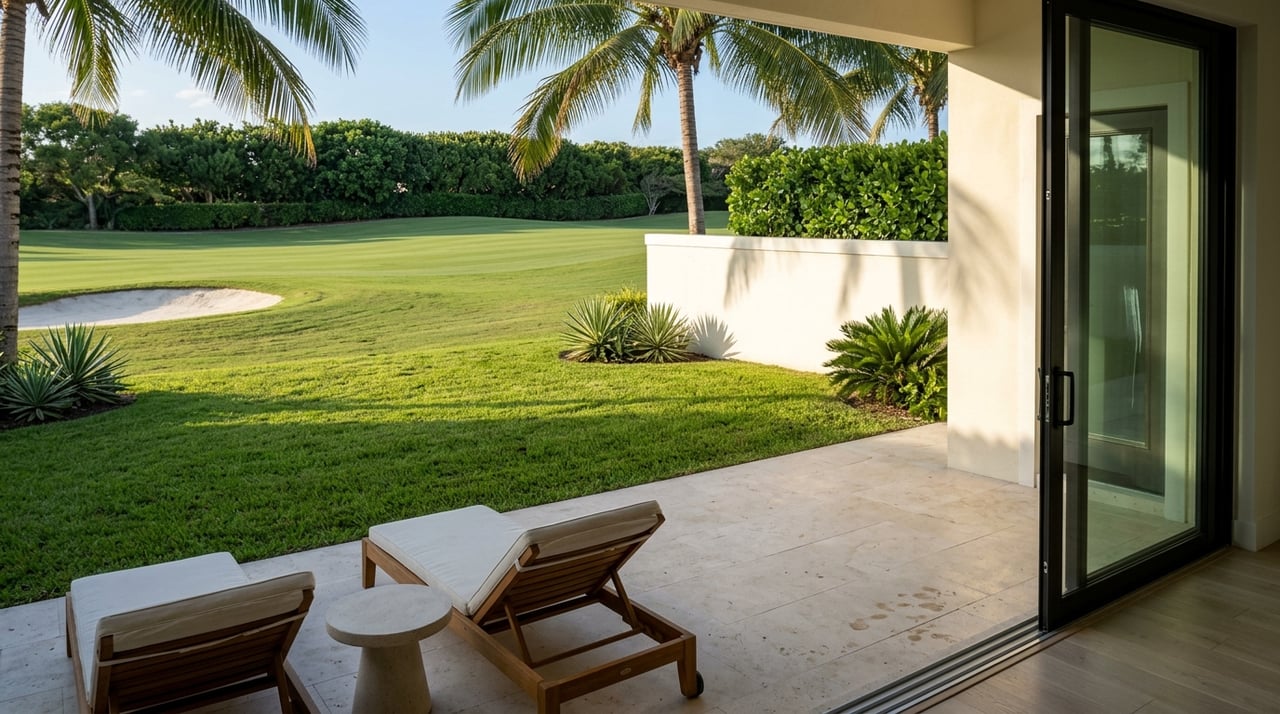
Parkland Golf & Country Club is another useful reference point, even though it has a somewhat different identity. The community spans about 790 acres and includes 878 single-family homes plus 60 condominium residences, with amenities that include a 43,000-square-foot Sports Club, two clubhouses, pools, racquet sports, Kids Cove, dining, and an 18-hole Greg Norman-designed golf course.
For you, this highlights a larger point about newer Parkland neighborhoods. Many package lifestyle amenities directly into the community design, which can be a major draw if you want recreation and social spaces close to home.
Key Differences to Weigh in Your Search
When you compare established and newer Parkland neighborhoods, it helps to focus on a few practical categories rather than just the age of the homes.
Lot Layout and Outdoor Space
Established neighborhoods often stand out for larger parcels, broader setbacks, and more varied lot shapes. Newer communities may feel more planned and consistent, but they can still include wider homesite options.
If outdoor space is a top priority, do not assume age tells the whole story. It is better to compare each neighborhood’s actual lot patterns and how those fit your needs.
Home Age and Update Style
Established neighborhoods more often reflect older construction eras, and homes may have been updated over time in different ways. That can create more variety in finishes, floor plans, and overall presentation.
Newer neighborhoods are more closely tied to recent builder releases. If you prefer a more current construction era and a more consistent community look, that may point you toward the Wedge-area communities.
Amenities and HOA Structure
Newer communities typically have more centralized amenities and more formal HOA processes. In Parkland Bay and Watercrest, current association documents and access-related materials reflect that more organized community framework.
Established neighborhoods may lean less on a private clubhouse model. Instead, some homeowners may rely more on Parkland’s broader city recreation network, which includes 11 parks and trails for families, dogs, and horses, plus the Equestrian Center at Temple Park.
Streetscape and Overall Feel
A helpful neutral shorthand is this: established neighborhoods often feel more mature and individualized, while newer communities often feel more curated and amenity-centered. Neither is inherently better. It depends on whether you value variation and legacy character or a more standardized, planned setting.
Which Type of Parkland Neighborhood Fits You?
If you like mature landscaping, more lot-to-lot variety, and the sense that a neighborhood has evolved over time, an established Parkland area may feel like a better fit. If you are open to older homes or homes with updates from different eras, these neighborhoods can offer a broader mix of options.
If you prefer newer construction, more formal amenities, and a neighborhood where the overall design feels more coordinated, a newer Parkland community may be the better match. This can be especially appealing if you want community facilities, planned gathering spaces, or a more turnkey feel.
The best choice usually comes down to your day-to-day priorities. Yard shape, amenity access, home age, infrastructure, and HOA structure all matter just as much as the neighborhood’s first impression.
If you want help comparing specific Parkland neighborhoods side by side, Steven Kaminer can help you narrow the options based on your goals, timeline, and budget.
FAQs
What are established neighborhoods in Parkland?
- Established Parkland neighborhoods include legacy and estate-style areas such as Pine Tree Estates and The Ranches, along with earlier planned communities like Parkland Isles.
Where are many newer Parkland neighborhoods located?
- Many newer Parkland communities are concentrated in the Wedge along Loxahatchee Road, which the city says has been the focus of new single-family construction since 2012.
Are newer Parkland neighborhoods always on smaller lots?
- No. City setback records show wider lot options in newer communities such as Parkland Bay, MiraLago, and Watercrest, including 80-foot, 90-foot, and 110-foot lot types in some cases.
Do established Parkland neighborhoods all have estate lots?
- No. Established Parkland includes both estate-style areas like Pine Tree Estates and The Ranches and more traditional planned subdivisions such as Parkland Isles.
Do newer Parkland communities usually have more amenities?
- In general, newer communities more often include centralized amenities and formal HOA structures, while some established neighborhoods rely more on Parkland’s citywide parks, trails, and recreation assets.
Is Parkland still adding newer neighborhoods?
- Yes. The city says the Wedge has continued to be a focus for newer single-family development, with communities such as Parkland Bay, The Falls at Parkland, Four Seasons, and Parkland Royale II tracked in the city budget.