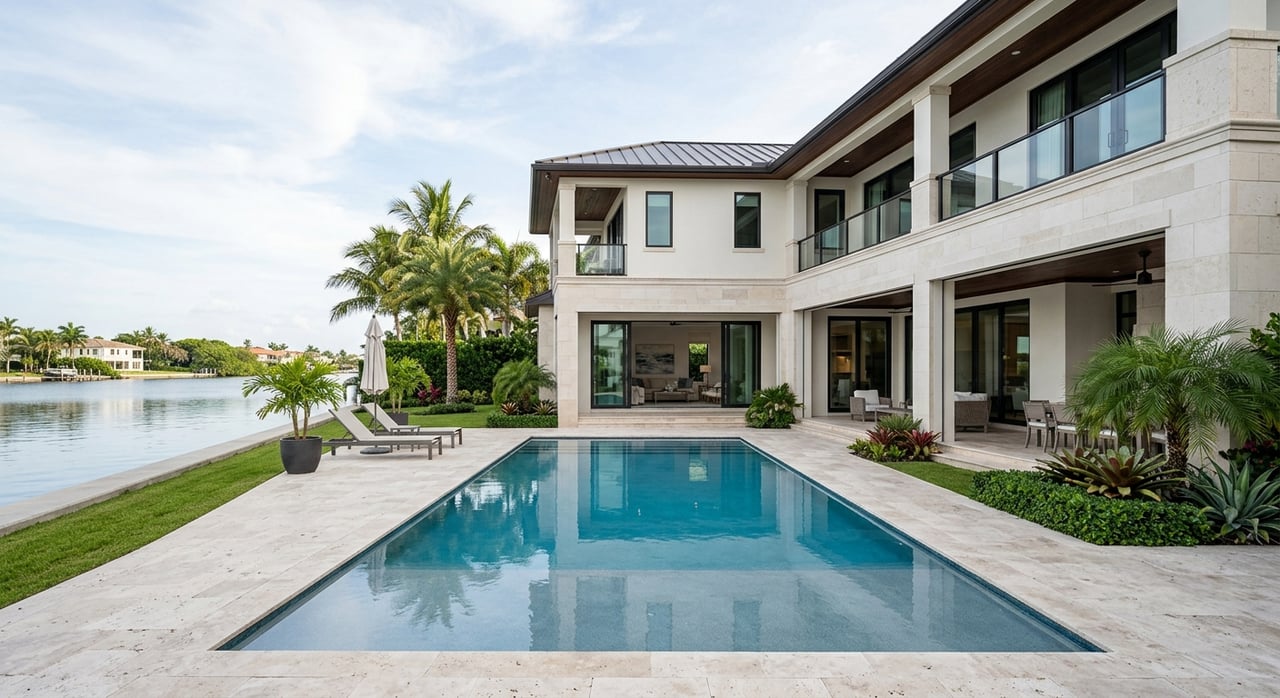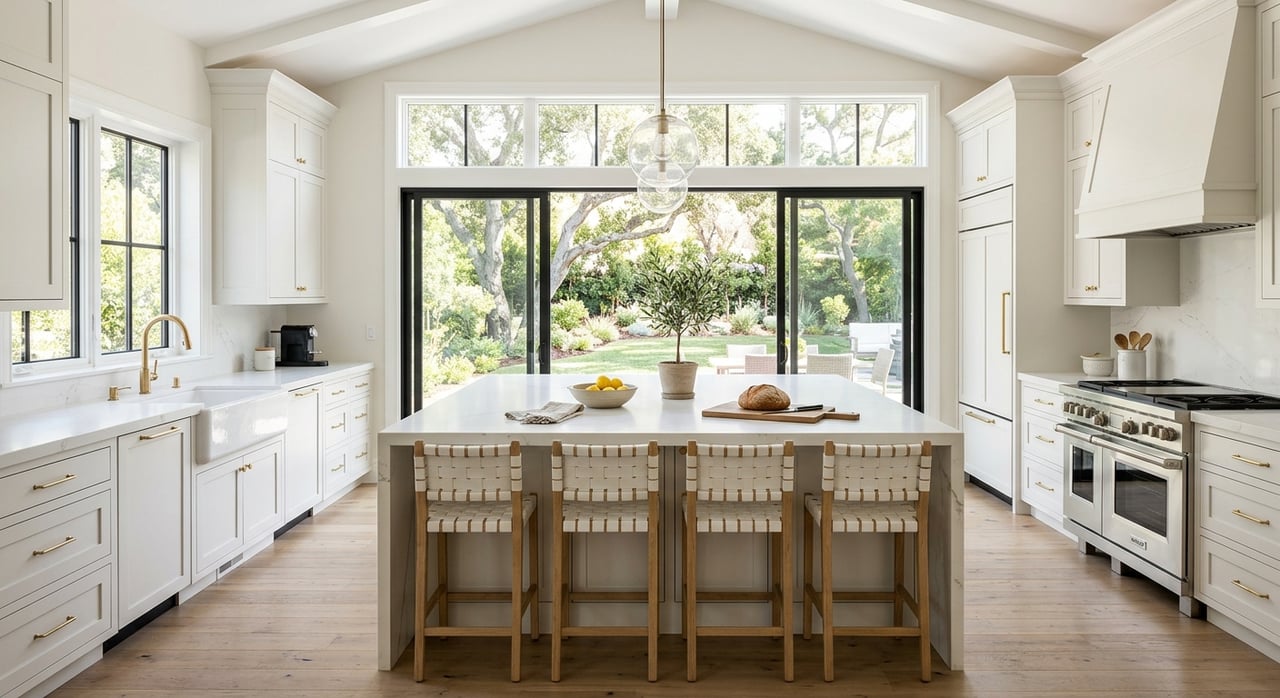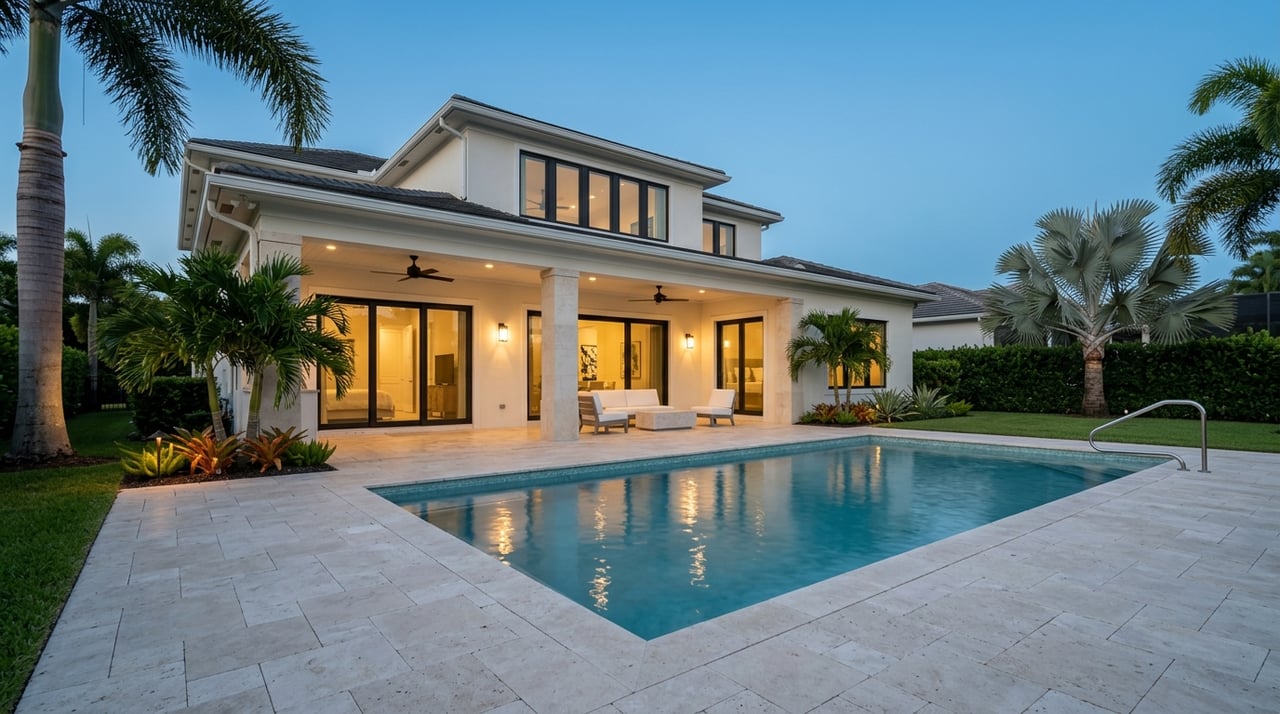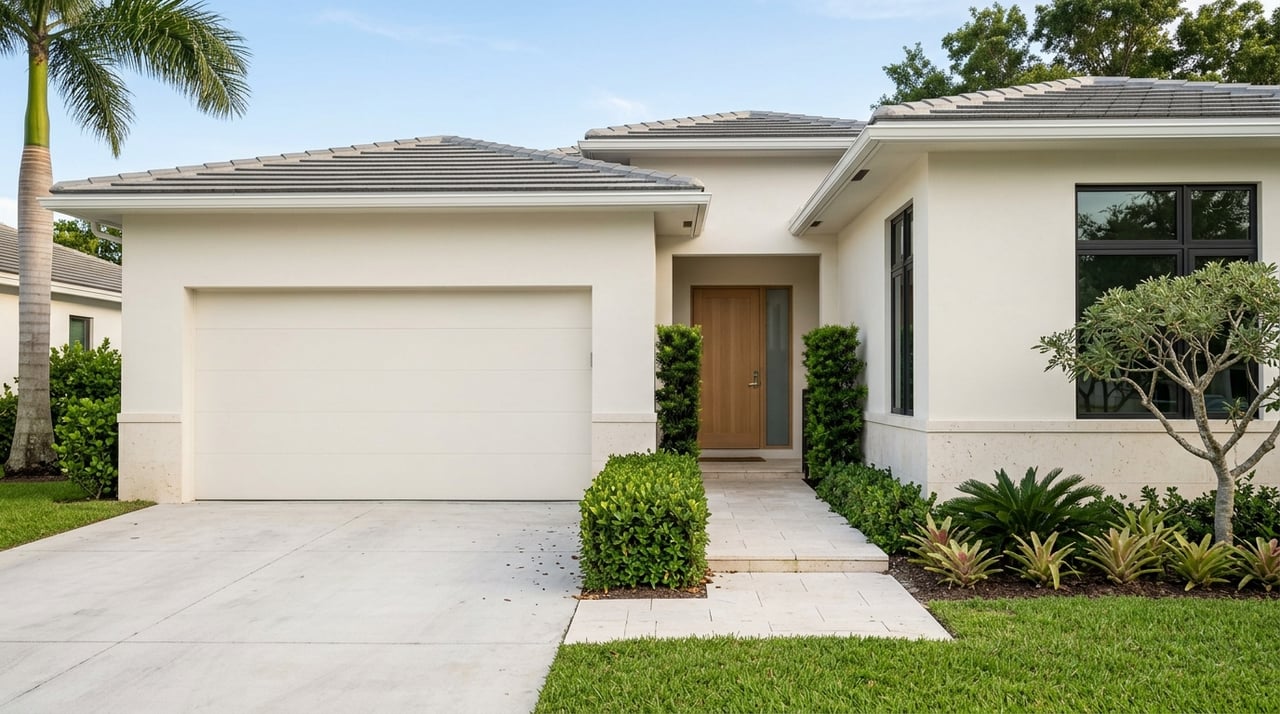
Thinking about buying in Parkland and torn between a brand-new build and a well-kept resale? You are not alone. In a city known for master-planned neighborhoods, community amenities, and large lots, both paths can be smart. The key is matching your budget, timeline, and lifestyle with the right option. In this guide, you will learn how costs, timelines, warranties, HOA/CDD fees, and appreciation play out locally so you can move forward with confidence. Let’s dive in.
New vs resale: quick overview
- New construction: customization, modern codes, energy efficiency, and a structured warranty. You trade for a higher upfront price, potential construction delays, and tighter builder terms.
- Resale: faster move-in and clearer comps for pricing. You trade for possible updates or repairs and the need to verify condition through inspections and permits.
- In Parkland’s master-planned communities, lot choice and HOA/CDD fees often drive long-term costs and resale appeal for both options.
Total cost: price, upgrades, and fees
Base price vs upgrades
New construction base prices often exclude many items you see in model homes. Expect to pay for design center selections like cabinetry, flooring, counters, appliances, lighting, and landscaping. Pools, outdoor kitchens, and specialty lots are separate. Builders also price in modern plans and energy features, which adds a premium.
Resale listings reflect location, lot, condition, and recent renovations. You can often negotiate using comparable sales and inspection findings, depending on current inventory. If you plan to renovate a resale, build those costs into your total budget early.
Lot premiums in Parkland
Parkland’s master-planned neighborhoods frequently apply lot premiums for lake, preserve, golf, or extra-large lots. For new builds, the premium is added to the lot price. For resales, desirability shows up in comps and asking price. Quick move-in spec homes can sell at a premium for finish level and instant availability.
Closing costs and financing
New construction financing can look different. Construction or construction-to-perm loans may require interest-only payments during the build and staged draws. Some lenders ask for larger down payments. Builders often offer incentives such as rate buydowns, closing credits, or upgrade packages, sometimes tied to a preferred lender or title company. Ask for a clear written breakdown of incentives and conditions.
Resale financing is typically straightforward. Most closings run 30 to 45 days from contract if title and inspections are clean. You may use inspection results to negotiate credits or repairs before closing.
Renovations and maintenance
New builds usually carry lower near-term maintenance costs. New roofs, HVAC, plumbing, and electrical systems reduce surprise repairs during the first years, especially with today’s Florida Building Code standards.
Resales may need system updates or cosmetic work. Plan for roof life, HVAC age, electrical panel type, and any safety or code upgrades. Get estimates during inspection and factor them into negotiations.
Taxes and homestead basics
In Florida, you can apply for the homestead exemption on your primary residence to lower taxable value. After you buy and homestead, the Save Our Homes cap limits annual assessed value increases going forward. Your assessed base resets at your purchase price, so confirm current assessments and any special line items on the Broward County tax bill. Community Development District (CDD) assessments, if applicable, appear on the tax bill and are separate from HOA dues.
Timelines and inspections
New construction timelines
- Quick move-in/spec homes: roughly 2 to 6 months, depending on availability.
- Semi-custom/production builds: often 6 to 12 months.
- Custom builds: commonly 9 to 18 months or longer, depending on permitting, site work, weather, and supply chain.
Delays can stem from weather events, permitting bottlenecks, materials, and subcontractor availability. Clarify the completion schedule, remedies for delays, and what triggers closing.
Resale timelines
Resale purchases usually follow a predictable path from contract to close, often 30 to 45 days with financing. If you or the seller need a specific move date, a leaseback or flexible closing window can help. This speed appeals to buyers who need school-year timing or relocation certainty.
Inspections and contingencies
Resale purchases often include a full home inspection contingency. In South Florida, a termite or wood-destroying organism inspection is common. Results may lead to repairs or credits before closing.
Builders typically have a structured punch list and final walkthrough. Some allow independent inspections at set stages; some limit scope. Confirm your inspection rights, how punch-list items are handled, and whether the home will have a temporary or final certificate of occupancy at closing.
Warranties and buyer protections
What new-home warranties cover
Many builders follow an industry-standard structure:
- One year: limited warranty for workmanship and finishes.
- Two years: major systems like electrical, plumbing, and HVAC.
- Ten years: limited structural coverage for major components.
Builders may use third-party administrators to manage claims. Read the warranty carefully for scope, exclusions, transferability, claim procedures, and required homeowner maintenance that keeps the warranty valid.
Protections on resale homes
On resales, your inspection contingency is your main safeguard. You can also purchase a home warranty for the first year to hedge against system failures. For older homes, review permits, past repairs, and any available service records to reduce surprises.
Licensing and consumer checks
Florida requires licensing for builders and contractors. Before you commit, check licensing and any complaint histories. In all cases, review HOA and, if applicable, CDD documents and have your agent help you understand the rules, fees, and any planned assessments.
HOA and CDD in Parkland
HOA fees and services
Parkland communities often include amenities such as pools, fitness centers, security, and common-area maintenance. Fees vary based on amenity depth and upkeep. Ask for recent budgets, reserve studies, and financial statements. Underfunded reserves can lead to special assessments later. Newer neighborhoods may still be under developer control, with policies that evolve as control transitions to homeowners.
CDD assessments and your tax bill
CDDs are common financing tools for roads, utilities, and amenities in master-planned communities. If your lot is within a CDD, you will see an annual assessment on your property tax bill. Ask how much the assessment is, how long the bonds run, and whether there are outstanding bonds or special assessments tied to the parcel. Remember, CDD assessments are separate from HOA dues.
Special assessments and resale
Both HOAs and CDDs can levy special assessments for capital projects. Request association financials and meeting minutes for the past 12 to 24 months to spot trends or pending projects. Clear records help you compare communities and understand potential future costs.
Hurricane, flood, and insurance factors
Broward County has wind-storm exposure. Homes built to the current Florida Building Code can qualify for wind-mitigation credits, which may reduce premiums compared to older stock. Flood exposure varies widely by lot. Always review FEMA flood maps and local floodplain resources for the exact address and discuss coverage scope with your insurance agent.
Appreciation and resale outlook
Short-term expectations
New construction often sells at a premium for novelty and efficiency. In the first few years, appreciation may be slower if you bought at a high premium, especially if the community is still delivering new inventory. Strong market conditions can offset this.
Resale buyers who negotiate well and make targeted improvements may see quicker equity gains, provided overall market trends are favorable. Appraisals rely on recent comparable sales, which can make resale pricing more predictable in the near term.
Long-term drivers
Over five or more years, fundamentals drive value: school assignments, lot size, location within Parkland, community quality, and broader Broward County market cycles. Mature landscaping and curb appeal often help with speed of resale regardless of the home’s original age at purchase.
Supply pipeline risk
If a large volume of new homes comes to market in the same neighborhood, it can temporarily pressure resale pricing until absorption catches up. Builder reputation and construction quality also influence long-term desirability.
Which option fits your situation?
- You want customization, lower near-term maintenance, and a structured warranty: consider new construction or a quick move-in spec if your timeline and budget fit.
- You need a predictable closing date, value mature landscaping, and want negotiation leverage: consider resale with a strong inspection and repair strategy.
- You prioritize amenities and community life: compare HOA offerings and costs head-to-head across both new and established neighborhoods.
- You are sensitive to monthly carrying costs: calculate HOA plus CDD, insurance, and taxes for each address, not just the list price.
Buyer checklist for Parkland
If you are buying new construction
- What is the scheduled completion date, and what are the remedies if delayed?
- What is included in the base price, and what are upgrade costs and change-order policies?
- Are incentives tied to a preferred lender or title company? What are the exact terms?
- Which warranties are included? Who administers them, and are they transferable?
- Can you have independent inspections during construction and before closing?
- Is the lot subject to a CDD? What are annual CDD and HOA costs? Any bonds outstanding?
- Are there required landscaping or maintenance obligations?
- What is the builder’s track record for warranty responsiveness and service?
If you are buying resale
- What do inspections show for structure, roof, HVAC, electrical, moisture, and termites?
- Were past renovations permitted and closed? Are records available?
- What are HOA dues, reserves, and any planned or recent special assessments?
- Is the property in a flood zone? What is the insurance claim history?
- How many recent comparable sales support the list price?
- Are seller disclosures and service records available for review?
Next steps in Parkland
Choosing between new construction and resale in Parkland comes down to tradeoffs: customization and warranties versus speed and negotiation; higher upfront premiums versus potential renovation investments; and HOA/CDD amenities versus monthly carrying costs. A trusted local team can help you compare addresses, vet HOA/CDD documents, assess flood and insurance considerations, and negotiate with confidence.
If you are ready to compare specific neighborhoods or want a clear cost and timeline plan, connect with Steven Kaminer. Our team will help you line up the right properties, review the details that matter, and move from decision to closing with clarity.
FAQs
How long does new construction take in Parkland?
- Quick move-in homes often close in 2 to 6 months, while production builds commonly take 6 to 12 months and custom homes can run 9 to 18 months or more, depending on permits, weather, and materials.
What HOA and CDD costs should I expect in Parkland communities?
- HOA dues vary with amenities and maintenance, while CDD assessments appear on your property tax bill to repay community infrastructure bonds. Always compare both for each address.
Do new homes in Broward County usually have lower insurance?
- New builds that meet current Florida Building Code may qualify for wind-mitigation credits, which can reduce premiums compared to older homes, but flood risk is address-specific and must be verified.
What do new-home warranties typically cover in Florida?
- Many builders provide one-year workmanship, two-year systems, and a ten-year limited structural warranty. Terms, exclusions, and transfer rules vary, so read the documents closely.
How do property taxes work for new Parkland buyers?
- Your assessed value resets at purchase, then the homestead exemption and Save Our Homes cap can reduce taxes and limit future assessment increases on a primary residence. Confirm any CDD line items.
Can I negotiate price on new construction in Parkland?
- Builders may offer incentives like rate buydowns, closing credits, or upgrades, often tied to preferred partners. Price flexibility depends on inventory and timing; ask for a full written incentive package.