Trying to figure out where Coral Springs rentals still pencil today? You’re not alone. Investors are looking for stable demand, reasonable HOA rules, and rent-to-price ratios that hold up after insurance and taxes. In this guide, you’ll learn which pockets of Coral Springs tend to work, how to screen addresses fast, and the exact checks to run before you underwrite. Let’s dive in.
Why Coral Springs attracts renters
Coral Springs sits within Broward County’s strong job basin and offers commuting access to larger employment hubs. That creates a steady renter pool of working professionals and families. You can validate local demographics, renter share, and household incomes using the U.S. Census American Community Survey on the official data portal. Check the latest figures at the U.S. Census site to align rents with local affordability using current ACS data.
Coral Springs also promotes city services, parks, and community amenities that appeal to long-term renters. To understand planned development, permitting trends, and any local programs that might affect housing supply, review the city’s official pages at the City of Coral Springs website.
Key takeaway: You have a broad renter base driven by commuting access, family-friendly amenities, and limited new multifamily supply inside city limits. That favors buy-and-hold stability when underwriting is tight.
What to buy: asset types and subareas
Coral Springs inventory breaks into a few investor-friendly buckets:
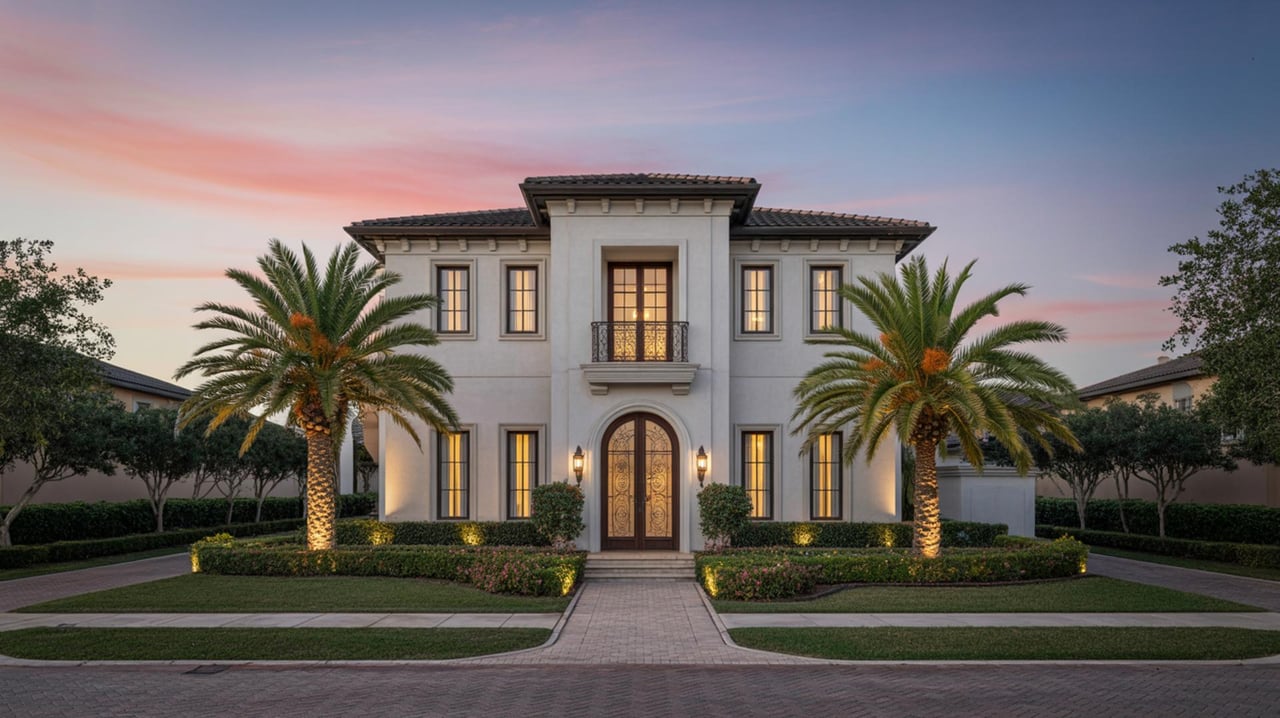
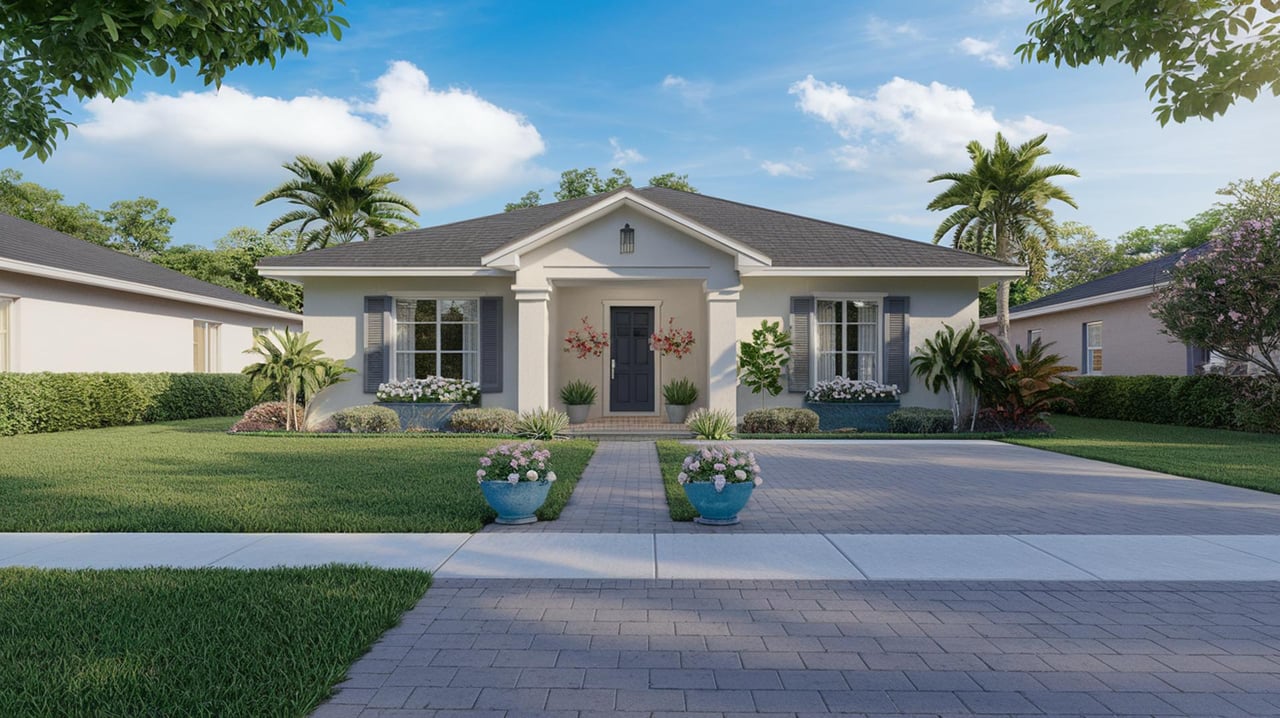
- Single-family homes: 2–4 bedroom homes that attract longer leases from families. Yields can be tighter than condos, but you control the asset and avoid heavy HOA restrictions.
- Townhomes/duplexes: Often HOA-governed with simpler turnover and lower yard maintenance. Watch rental caps and dues.
- Condos: Lower entry price, but condo rules, board approvals, and assessments can move your numbers fast. A clear read of documents is essential.
Instead of naming every neighborhood, focus on subarea traits that drive returns:
- Commute corridors: Sample Road, Royal Palm Boulevard, and University Drive tend to pull steady demand from commuters.
- School catchments: Homes within higher performing elementary and middle school boundaries often see longer tenancy and lower vacancy. Verify boundaries directly with district resources.
- Vintage and rehab profile: Pre-1990 homes can offer value for BRRRR if structure is sound. Post-1990 subdivisions trade at higher prices but often need lighter initial capex.
- HOA clusters: Some townhome and condo communities have rental caps, minimum lease periods, and approval timelines that affect cash flow and refinance plans.
Rent-to-price math that works here
Coral Springs sits in a South Florida context where quick screen rules can mislead. Use these practical metrics:
- Gross Rent Multiplier: Purchase Price divided by Annual Gross Rent.
- Gross Rent Yield: Annual Gross Rent divided by Purchase Price, expressed as a percent.
- Cap Rate: Net Operating Income divided by Purchase Price. Use realistic expenses for taxes, insurance, HOA, and maintenance.
- Cash-on-Cash: Annual cash flow divided by your invested cash.
Typical ranges for stabilized assets in Coral Springs:
- Gross rent yields often land around 3% to 6% for SFRs, depending on unit type and price band.
- Stabilized cap rates commonly fall near 4% to 7%, with lower caps for turnkey in-demand locations.
Example screen (hypothetical):
- Price: $400,000; Expected rent: $2,200 per month ($26,400 per year).
- Gross yield: 26,400 divided by 400,000 equals 6.6%.
- If total operating expenses run about 45% of gross, NOI ~ $14,520; cap rate ~ 3.63%.
Use this process to compare candidates. Small changes in HOA dues, insurance, or taxes can move your cap rate meaningfully.
For BRRRR, target a post-rehab value that supports a refinance at roughly 70% to 80% loan-to-value. South Florida contractor pricing can run higher than national averages, so build budgets with local bids and a sensible contingency.
HOA, insurance, and local rules that change outcomes
Association rules can shift your returns. Before you buy, read official documents and statutes:
- Review Florida’s association laws, including the Condominium Act, Chapter 718 and Homeowners’ Association Act, Chapter 720. These outline disclosures, timelines, and owner rights.
- Obtain condo or HOA documents: declaration, bylaws, rules, financials, reserve studies, and recent meeting minutes. Watch for rental caps, minimum lease terms, and pending special assessments.
- Confirm dues and assessments with an estoppel letter.
Insurance is another major line item:
- Flood risk: Check parcel-specific FEMA maps to confirm if a property falls in a high-risk zone. Pricing can change your numbers. Use the FEMA Flood Map Service Center.
- Wind and hurricane coverage: Verify replacement cost, deductibles, and coverage scope. In condos, confirm what the master policy covers versus what you must insure.
Local checks that help you avoid surprises:
- Short-term rental rules: Verify city rules before modeling any STR revenue. Start with the City of Coral Springs for code and permitting information.
- Taxes and assessments: Review the current bill and any liens with the Broward County Property Appraiser. This also helps validate square footage, year built, and recorded improvements.
- HOA corporate status: Confirm standing and documents through the Florida Division of Corporations (Sunbiz).
Quick filters to find deals faster
Use these first-pass screens when you set alerts or scan listings:
- Price bands:
- Under $300,000: Mostly condos and some townhomes. Scrutinize rental rules and dues.
- $300,000 to $600,000: Mix of SFRs and townhomes. Good for family rentals near schools and shopping.
- Over $600,000: Larger SFRs and gated enclaves. Lower yield but typically more stable.
- Unit type: Favor SFRs and townhomes for family demand. Consider condos when rules are investor-friendly and dues are modest.
- HOA dues: Start with a target of $350 per month or less unless dues include substantial utilities or insurance.
- Rental caps: Prefer communities with no cap or at least a 40% cap for easier scaling.
- Year built: Post-1980 for fewer surprises. Target older homes only when you have accurate rehab scopes and pricing.
- School zones: Within higher performing school boundaries to reduce vacancy. Verify boundaries and enrollment policies directly.
- Access: Within a 10 to 15 minute drive of major shopping corridors or employment nodes.
- Flood risk: Avoid high-risk flood zones unless premiums are priced into your model.
Pre-underwriting checklist you can copy
Collect the following before you build a full model:
- Property facts: beds, baths, square footage, lot size, year built, sales and listing history.
- Rent comps: three to five comparable leases within one mile, matched on beds, baths, and condition. Cross-check with property managers for accuracy.
- Taxes and assessments: current tax bill, any special assessments. Validate at the Broward County Property Appraiser.
- HOA or condo documents: declarations, rules, budget, reserve study, and 12 to 24 months of meeting minutes. Confirm dues and any pending assessments with an estoppel.
- Insurance quotes: homeowners, flood if required, and wind. Obtain local quotes to reflect current pricing.
- Operating assumptions: property management, maintenance, landscaping, utilities, and expected vacancy. A 5% to 10% vacancy factor is a reasonable starting point for buy-and-hold.
- Rehab: itemized scope, two local bids, permitting plan, and a 10% to 20% contingency.
- Exit and refinance: target LTV, lender requirements, and comparable sales to support your after-repair value.
- Title and compliance: lien and code checks through the city’s permitting channels at the City of Coral Springs.
Where investors are focusing right now
Based on the traits above, investors often prioritize:
- SFR clusters near Sample Road, Royal Palm Boulevard, and University Drive where commute access and shopping are convenient.
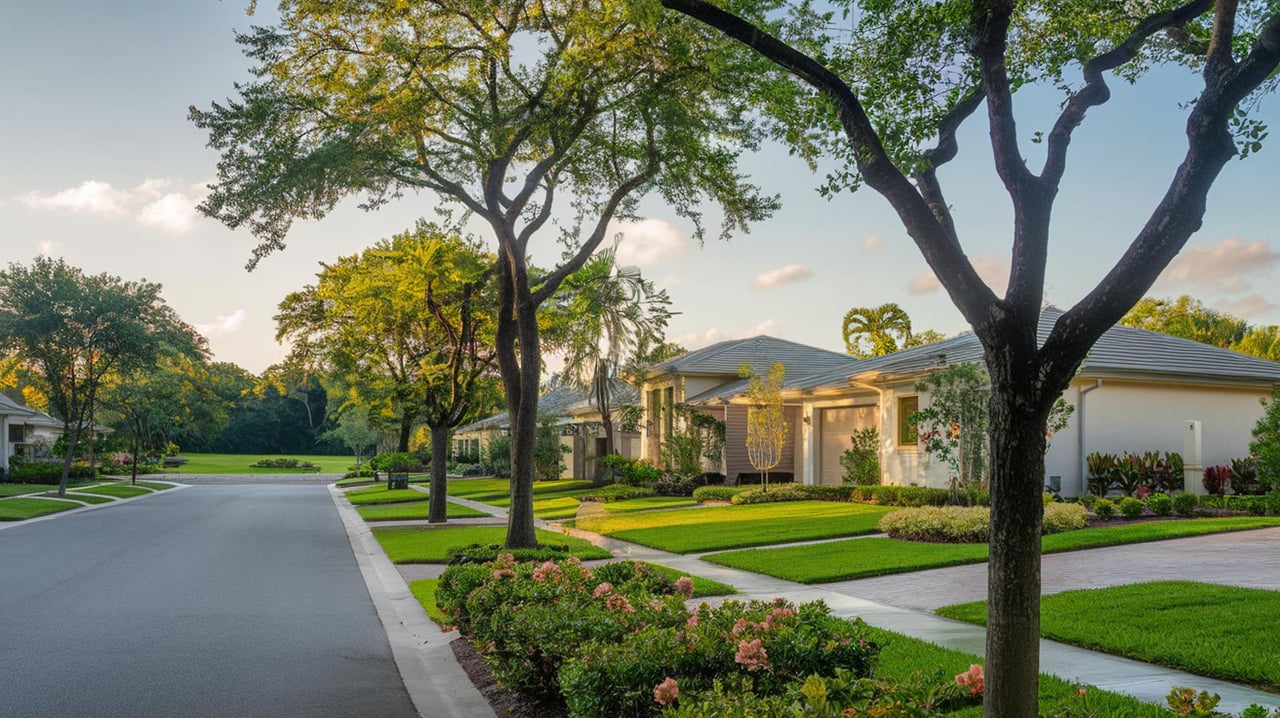
- Post-1990 subdivisions for lighter capex and tenant appeal. Expect tighter cap rates and lower gross yields, balanced by stability.
- Townhome communities with clear, favorable rental rules and moderate dues. Confirm minimum lease terms and caps before you model.
- Select older SFR pockets that support BRRRR. Structure, roof, electric, and plumbing must be solid enough to hit your ARV and timeline.
When you compare these pockets, sanity check rents against regional floors using the HUD Fair Market Rents for Broward County. Then adjust for neighborhood, condition, and amenities using manager input and recent leases.
How the Steve Kaminer Team can help
You can do all of this yourself, or you can streamline it with a local team that works investor files daily. We can help you set up MLS alerts that mirror the filters above, pre-screen HOA rules, pull rent comps, and connect you with property managers, insurance agents, and contractors who know Coral Springs pricing.
Our goal is simple: reduce your time to decision, tighten your underwriting, and help you acquire the right asset at the right price.
Ready to build your shortlist or underwrite a target? Contact the Steve Kaminer Team to get started.
FAQs
What makes Coral Springs attractive for long-term rentals?
- A broad renter base tied to Broward County jobs, commuter access to larger markets, and city amenities. Validate demographics at the U.S. Census ACS portal.
How do HOA rules in Coral Springs affect investors?
- Rental caps, minimum lease terms, and approval processes can alter cash flow and refinance timing. Review governing documents and consult the Florida Condominium Act and HOA Act.
Where can I confirm taxes and property details in Broward?
- Use the Broward County Property Appraiser for parcel data, tax history, and recorded improvements.
How do I check flood risk for a Coral Springs property?
- Enter the address in the FEMA Flood Map Service Center to see if it lies in a high-risk zone and estimate potential insurance impact.
What rent-to-price ranges should I expect in Coral Springs?
- Many stabilized SFRs fall near 3% to 6% gross yields and roughly 4% to 7% cap rates, depending on unit type, condition, and location.
What is a quick first-pass screen for BRRRR in Coral Springs?
- Target a post-rehab value that supports a 70% to 80% refinance, keep rehab within a realistic cost per square foot, and budget 6 to 12 months for carry and lease-up.