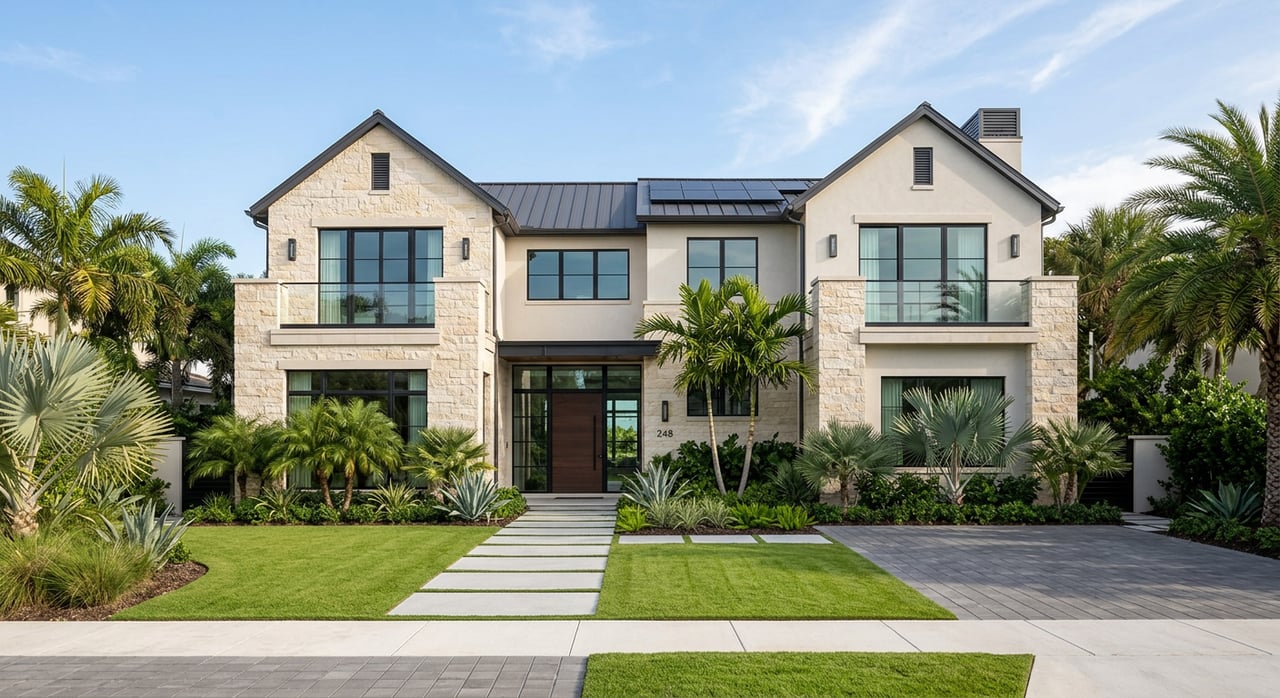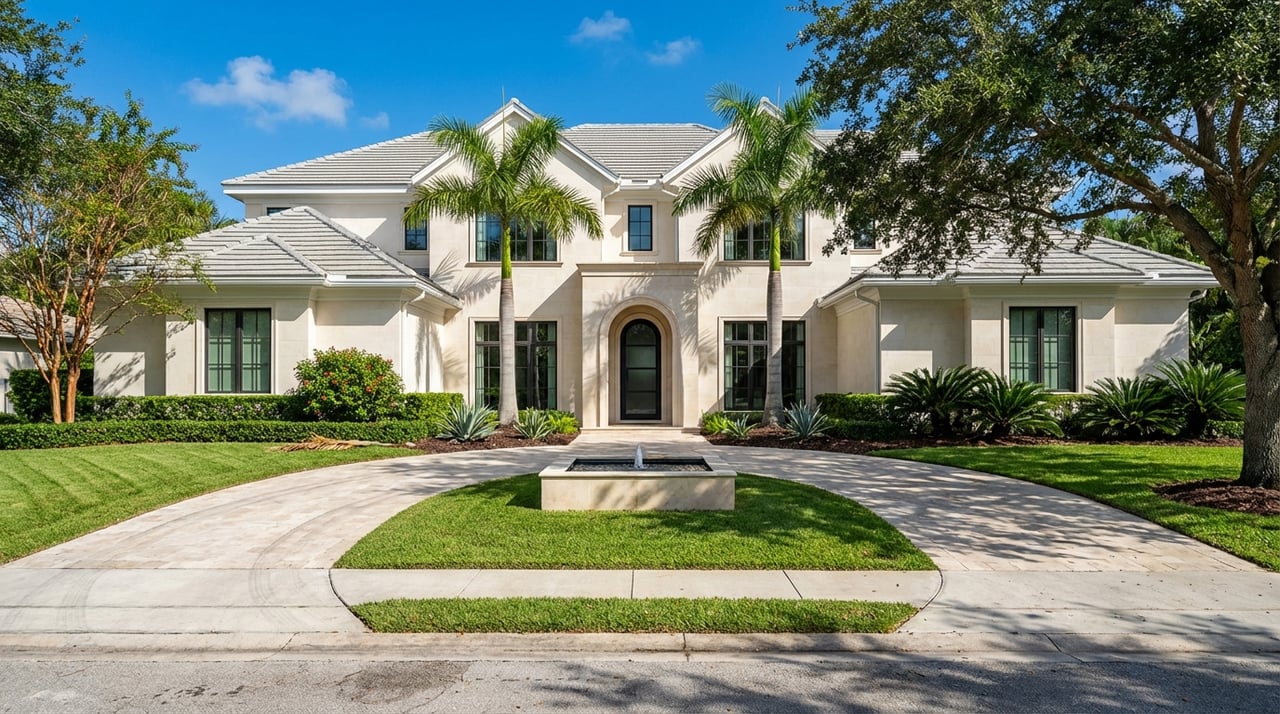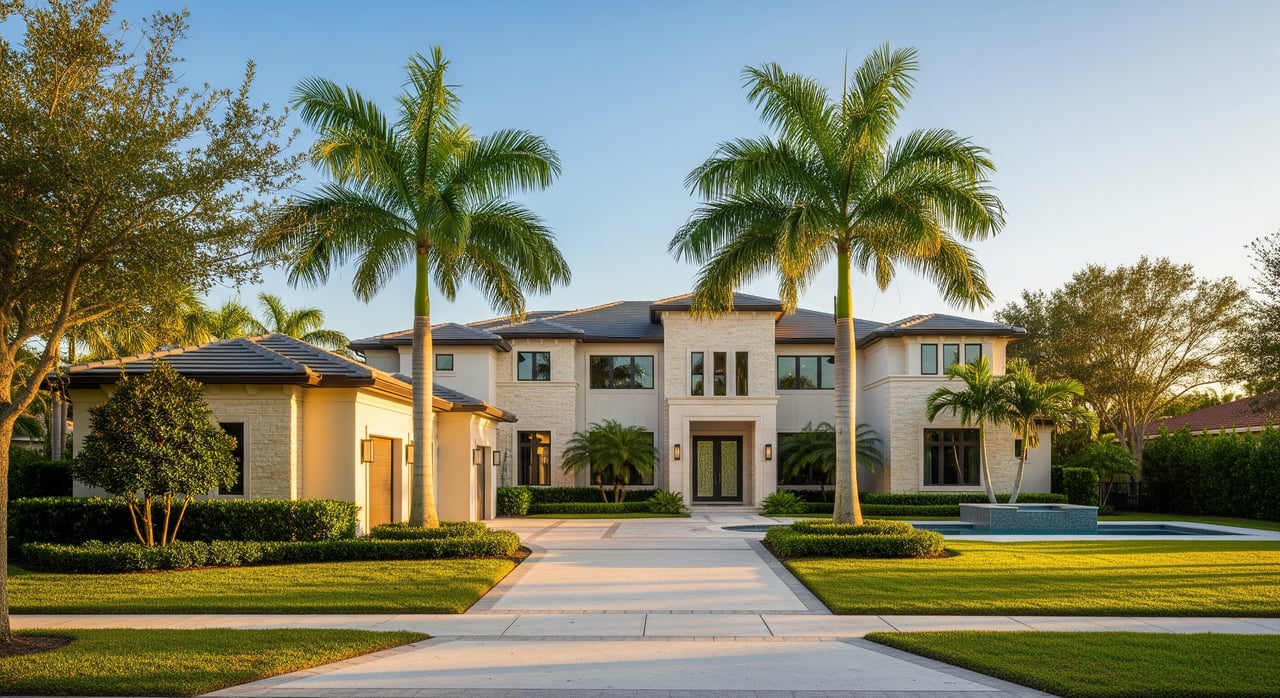
If you are thinking about buying a rental home in Coral Springs, the numbers deserve a closer look. This is not a market where you can rely on rough averages, old rent comps, or a quick spreadsheet and hope it works out. If you want to invest with more clarity, it helps to understand renter demand, vacancy, property types, and the real carrying costs that can shape your returns. Let’s dive in.
Coral Springs Rental Demand
Coral Springs offers a rental market with signs of stability rather than constant churn. The city has an estimated population of 140,808, about 45,204 households, an owner-occupied housing rate of 60.3%, and a median gross rent of $2,084, according to U.S. Census QuickFacts for Coral Springs. That same source shows 87.7% of residents lived in the same house one year earlier, which points to a more settled residential pattern.
For investors, that matters because stable households can support longer hold strategies. You are not necessarily looking at a highly transient market where turnover is the norm. Instead, Coral Springs appears to offer a suburban rental base where lease renewals and long-term occupancy may play an important role in performance.
There is also a broader affordability factor supporting rental demand in Broward County. A MIAMI REALTORS update reported that as of May 2025, the median expected cost of owning a single-family home with 10% down was still higher than the median single-family asking rent in Broward County by $1,637. That gap helps explain why renting can remain a practical choice for many households.
Market Balance and Vacancy
Coral Springs is not a zero-vacancy market, and that is important to understand upfront. According to HUD’s February 2024 market report for the Fort Lauderdale-Pompano Beach-Deerfield Beach division, apartment market conditions in the metro division were balanced as of February 1, 2024.
In Q1 2024, stabilized apartment vacancy averaged 5.4% across the division, while the Coral Springs apartment market area posted a 6.1% vacancy rate. Nearby Pompano Beach-Deerfield Beach was tighter at 3.9%. For you as an investor, this suggests that leasing may still be healthy, but you should underwrite with realistic downtime and avoid assuming immediate placement at your ideal rent.
Supply also deserves attention. The same HUD report noted that about 9,200 apartment units were under construction in the division. That does not mean every rental home in Coral Springs will face direct competition from new apartments, but it does mean future supply could influence leasing pace and renter options in the broader market.
Rental Rates for Single-Family Homes
If you are focused on single-family rentals, Coral Springs has meaningful rent levels, but precision matters. MIAMI REALTORS reported that the median single-family asking rent in Coral Springs was $3,775 in March 2024, based on 57 listings. That figure was down 1.7% year over year.
That number can be a helpful benchmark, but it is not a shortcut for underwriting. A median asking rent does not tell you what your specific home will command based on condition, layout, location, updates, association restrictions, or time on market. It does, however, show that Coral Springs single-family rentals can sit at rent levels where even a short vacancy or repair delay can have a noticeable impact on annual cash flow.
Regional rent trends also show why current comps matter more than older ones. MIAMI REALTORS noted that Southeast Florida single-family rents remained well above pre-pandemic levels by May 2024, and only 2% of zip codes had a median single-family asking rent of $2,000 or below. If you are analyzing a purchase, you should base your projections on recent leasing data, not outdated assumptions.
Property Types to Compare
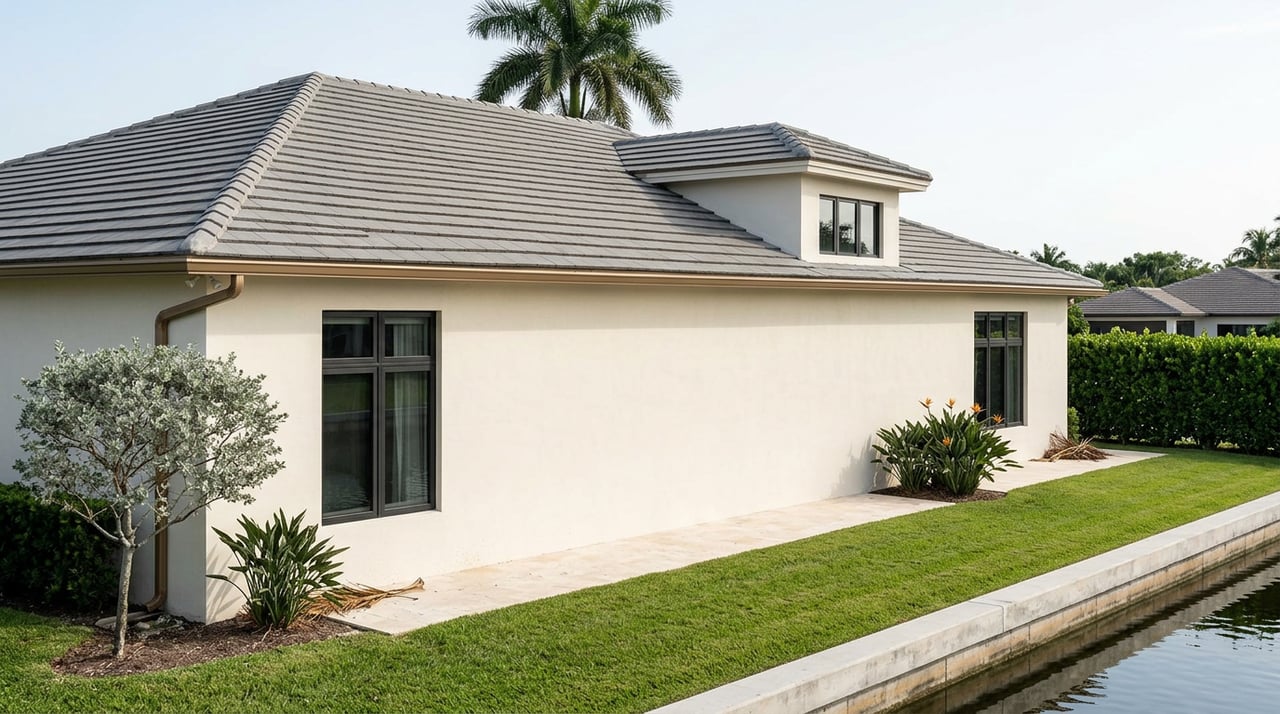
Most investors evaluating Coral Springs rentals will likely compare single-family homes, townhomes, and condominiums. Based on the city’s suburban profile and how regional market reports are structured, fee-simple single-family homes are often the starting point, with attached options considered when association rules and total carrying costs still make sense.
That comparison matters because the property type can change your risk profile. A single-family home may offer more flexibility, while a townhome or condo may come with different monthly costs, maintenance responsibilities, or leasing restrictions. Before you buy, make sure the numbers work after accounting for all recurring obligations, not just the purchase price and rent estimate.
Older Housing Stock Needs More Reserves
Some parts of Coral Springs include older rental inventory, and that should shape your maintenance planning. A MIAMI REALTORS analysis identified zip code 33065 in Coral Springs as one of the inland areas where median asking rents were at or below $2,500 and where half of rented units were built before 1985.
Older homes are not necessarily a problem, but they do require a more disciplined reserve strategy. Roofs, HVAC systems, plumbing lines, electrical components, windows, and other big-ticket items can affect your budget quickly. If you underwrite an older property like a newer build, your projected return may look stronger on paper than it feels in real life.
The same MIAMI REALTORS analysis also noted that 54% of Southeast Florida single-family rentals were built before 1990 in early 2024. In practical terms, you should budget for routine repairs and future replacements from day one.
Turnover and Lease Renewal Trends
Turnover is another place where conservative planning can help you. A MIAMI REALTORS rental market report said 72.8% of leases in the Miami metro were renewed in January 2024, and renewal rents rose 8.3% from a year earlier.
While that is regional data rather than Coral Springs-only data, it points to a market where many renters are staying put. For a long-term investor, higher renewal activity can reduce some of the friction that comes with frequent turnover, including marketing, cleaning, make-ready costs, and vacancy periods. Still, you should treat each property as its own business case and not assume every tenant will renew.
Expenses That Can Change the Deal
Gross rent is only part of the story. In Coral Springs and the wider Broward market, a few expense categories can materially change whether a rental home performs the way you expect.
Property Taxes
Property taxes should be modeled carefully, not guessed. The Broward County Property Appraiser tax estimator says estimates are based on taxable value and local millage rates, and Coral Springs’ total real-property millage rate was 20.2856 in 2025.
That means your tax bill may differ significantly from a seller’s current bill, especially after a purchase resets value assumptions. If you are reviewing a deal, use the current millage rate and property-specific taxable value assumptions instead of relying on a broad average.
Insurance Costs
Insurance is another major line item in Broward County. According to the Florida Office of Insurance Regulation July 2025 report, Broward County’s average homeowners premium including wind coverage was $6,165, while the average condo unit owners premium including wind coverage was $1,839 as of March 31, 2025.
These are countywide benchmarks, not quotes for a specific home. Still, they show why it is smart to get a property-specific insurance quote before closing. Insurance costs can vary meaningfully based on age, construction, roof condition, and other features.
Management Fees
If you plan to use professional management, look beyond the headline percentage. A NARPM financial performance overview notes that management costs can include monthly management fees, leasing fees, owner renewal fees, inspection fees, pet rent structures, tenant late fees, and security-deposit waiver programs.
This matters because two management proposals can look similar at first glance while producing very different net income. When you compare options, review the full fee stack and ask how leasing, renewals, inspections, and tenant placement are handled.
Maintenance and Capital Reserves
Maintenance reserves are easy to underestimate, especially if a home shows well during a tour. In older sections of the market, deferred maintenance or upcoming replacements can be one of the biggest drivers of surprise costs.
A strong underwriting model should include both day-to-day repairs and longer-term capital items. That approach may make your initial cash flow estimate look more conservative, but it often gives you a more realistic view of ownership.
A Smarter Coral Springs Strategy
For many investors, Coral Springs can make sense as a long-term suburban rental market because demand is supported by household stability, rent-versus-own affordability, and meaningful single-family rent levels. At the same time, this is a market where details matter. Vacancy, supply, taxes, insurance, management structure, and the age of the housing stock can all influence outcomes.
The best way to approach a purchase is to stay local and stay specific. Review recent rent comps, verify association rules where applicable, confirm tax assumptions, and get insurance pricing before you commit. If you want help evaluating Coral Springs investment opportunities or rental homes in north Broward, connect with Steven Kaminer and the team for experienced local guidance.
FAQs
What should investors know about Coral Springs rental demand?
- Coral Springs shows signs of stable rental demand, with 87.7% of residents living in the same house one year earlier and Broward rent-versus-own economics that still support renting.
What is the median single-family asking rent in Coral Springs?
- MIAMI REALTORS reported a median single-family asking rent of $3,775 in Coral Springs in March 2024.
What vacancy rate should investors watch in Coral Springs?
- HUD reported a 6.1% apartment vacancy rate for the Coral Springs apartment market area in Q1 2024, which suggests a balanced market where lease-up assumptions should stay realistic.
What expenses matter most for Coral Springs rental homes?
- Property taxes, insurance, management fees, and maintenance reserves are key expenses to underwrite carefully before you buy.
What should investors check before buying a Coral Springs condo or townhome rental?
- You should verify association rules, monthly carrying costs, and any leasing restrictions to make sure the property fits your rental strategy.