Trying to choose the right Coral Springs neighborhood can feel like a maze of options. You’re balancing commute time, HOA rules, school zones, parks, and price — all while trying to picture daily life on each street. This guide gives you a clear, step-by-step way to compare areas so you can buy with confidence. You’ll get a quick process, real local examples, and a checklist you can use on any home. Let’s dive in.
Start with priorities
Before you sort listings, get clear on what matters most. Rank these in order so tradeoffs are easier.
- Budget and price comfort
- Commute time and routes you’ll use daily
- School zone requirements and childcare access
- HOA preference, rules, and dues tolerance
- Proximity to parks, sports, and cultural programs
- Flood risk, insurance costs, and hurricane readiness
- Time horizon for your move and resale goals
Understand housing types
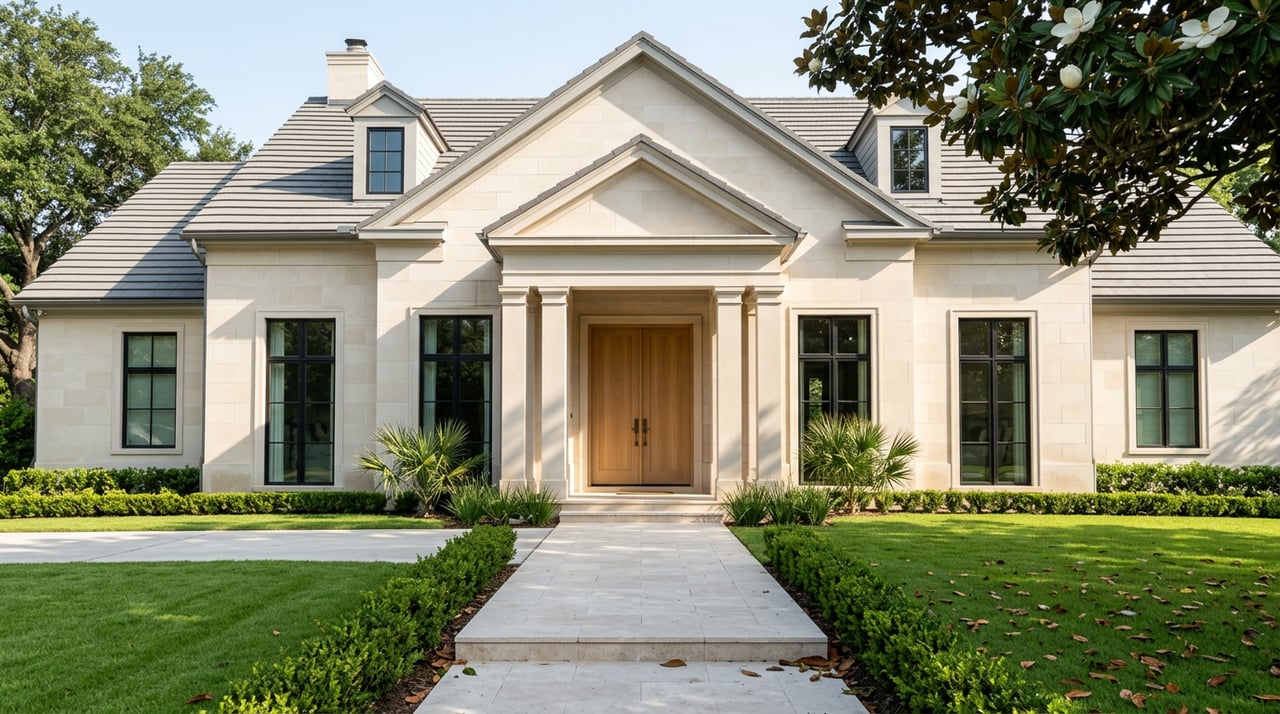
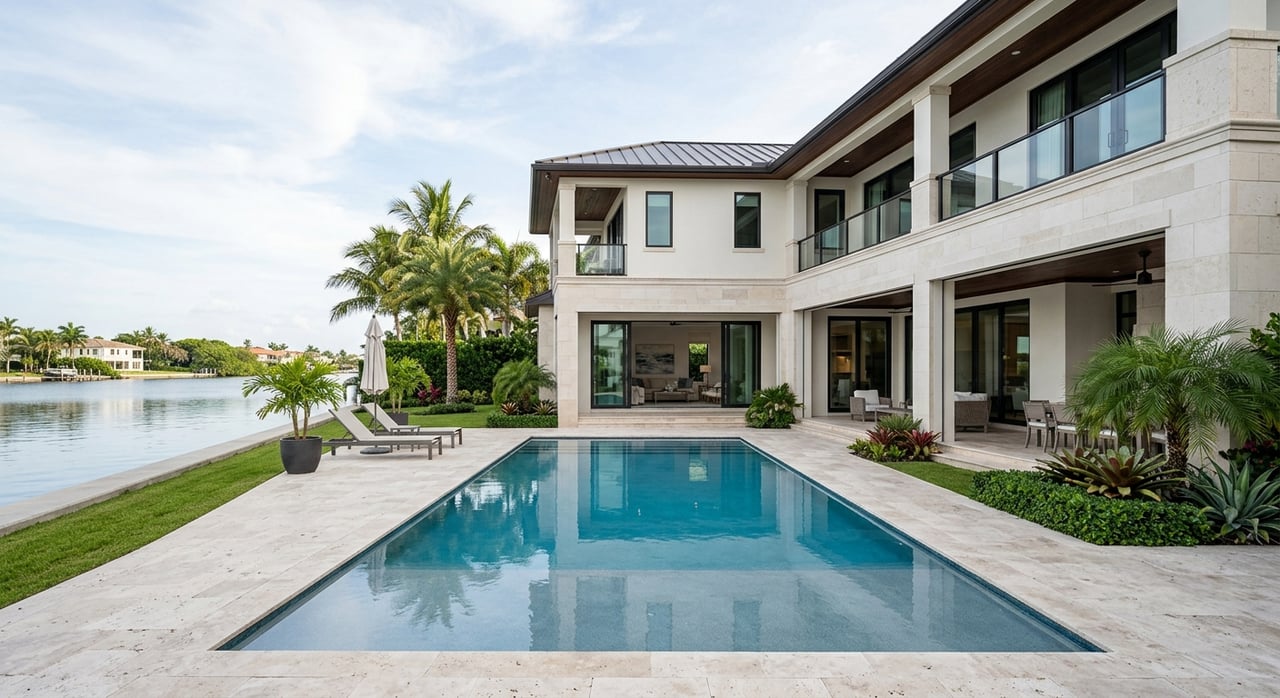
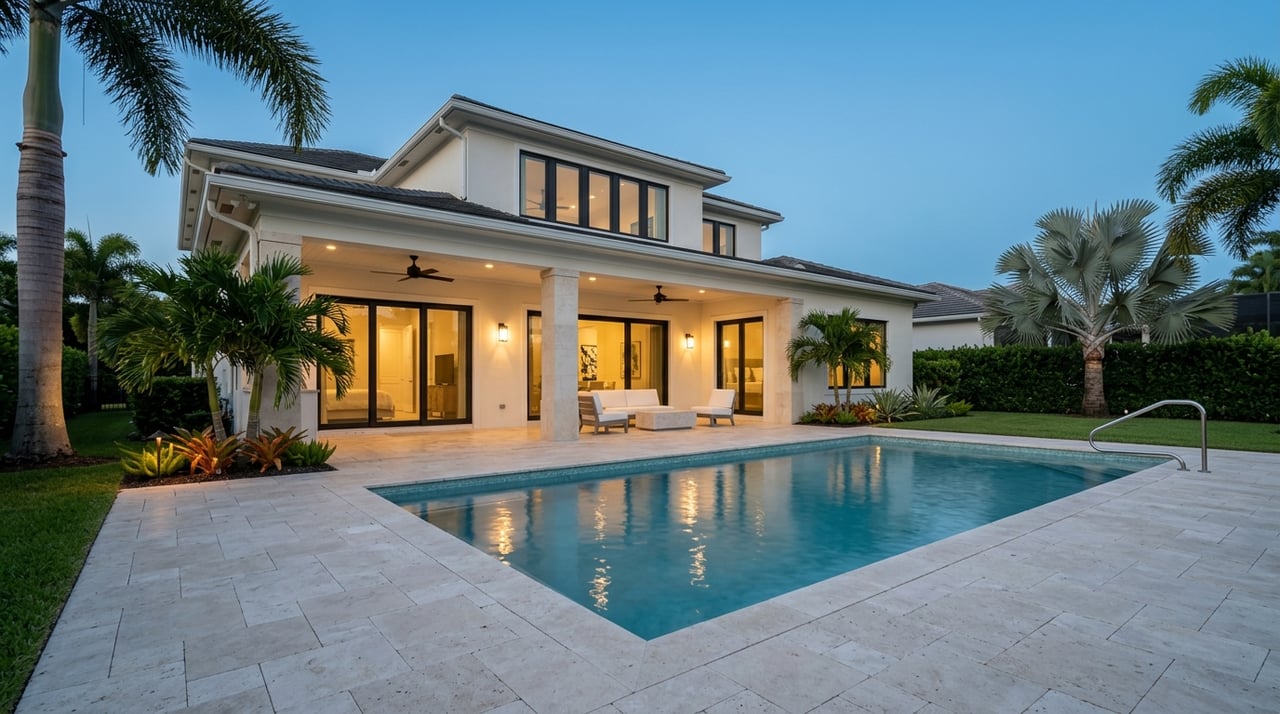
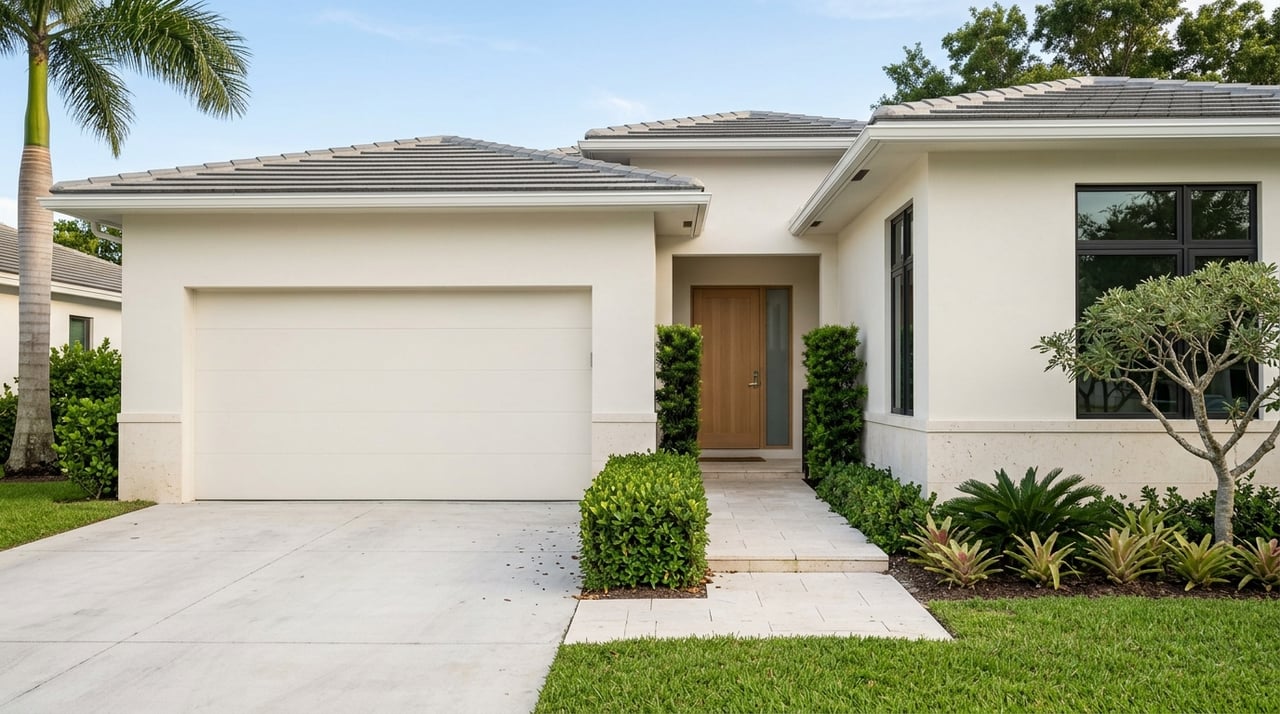
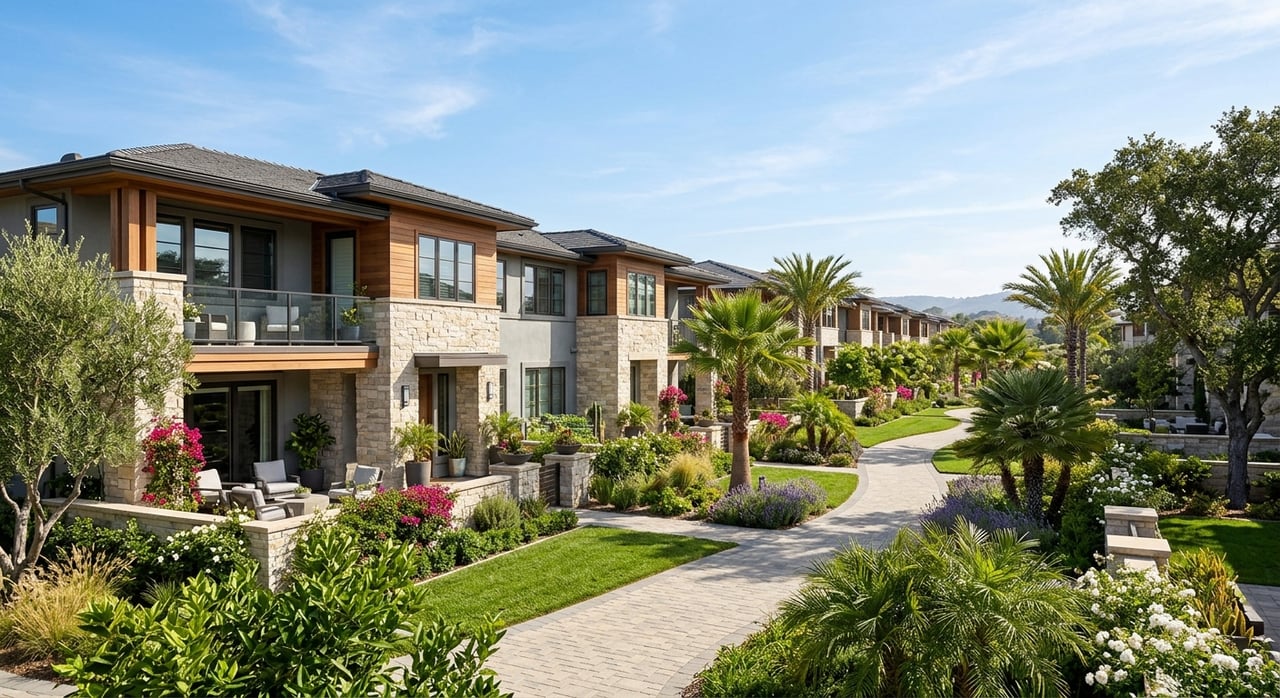
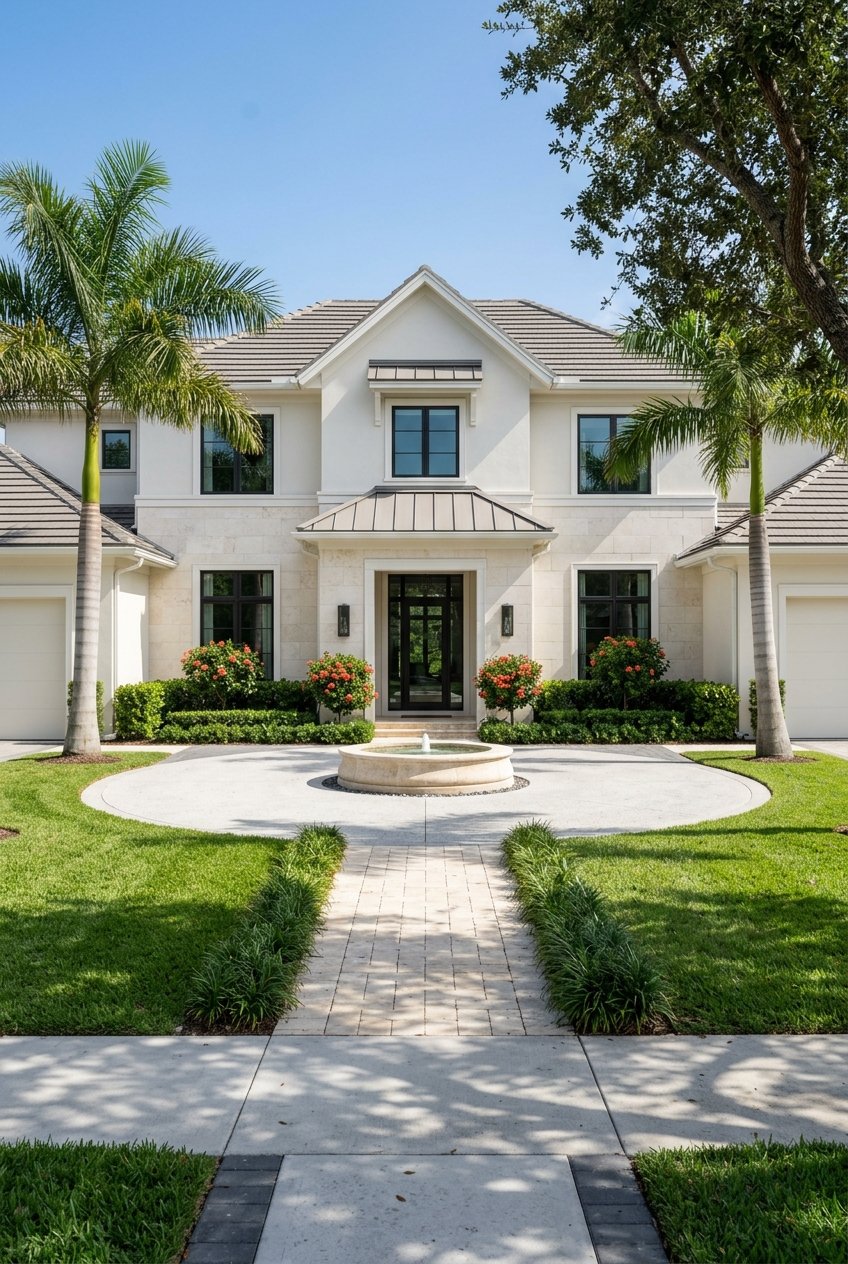
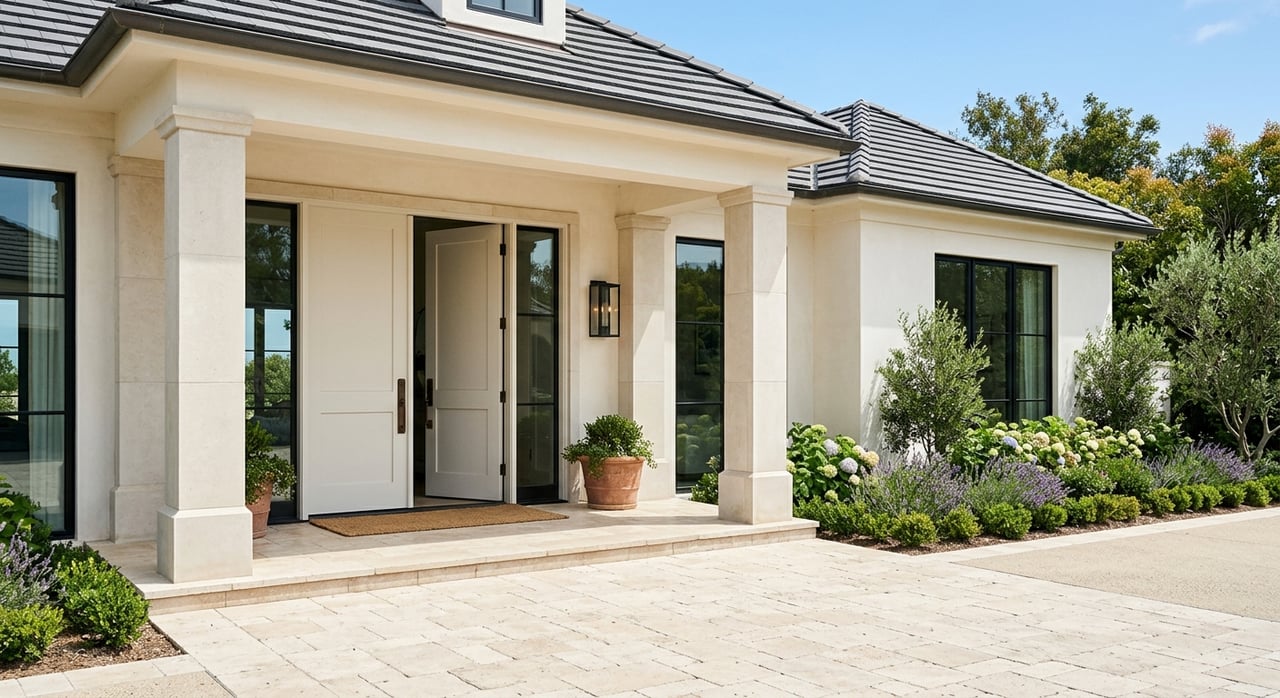
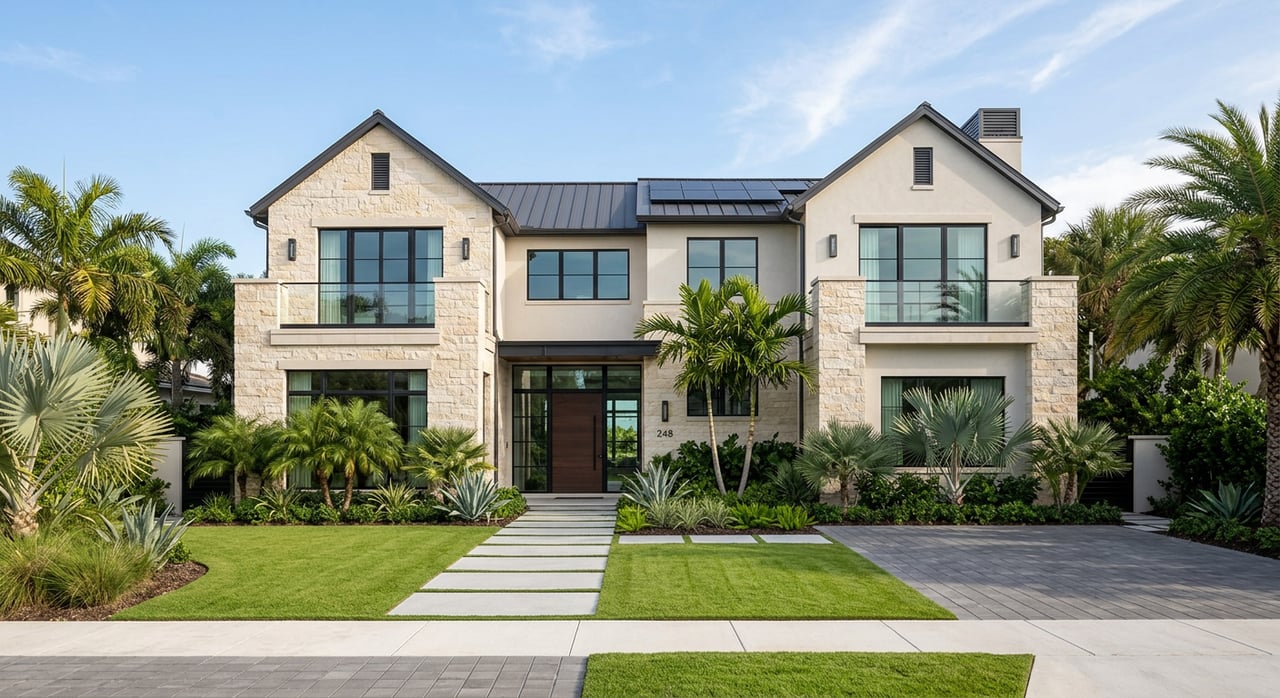
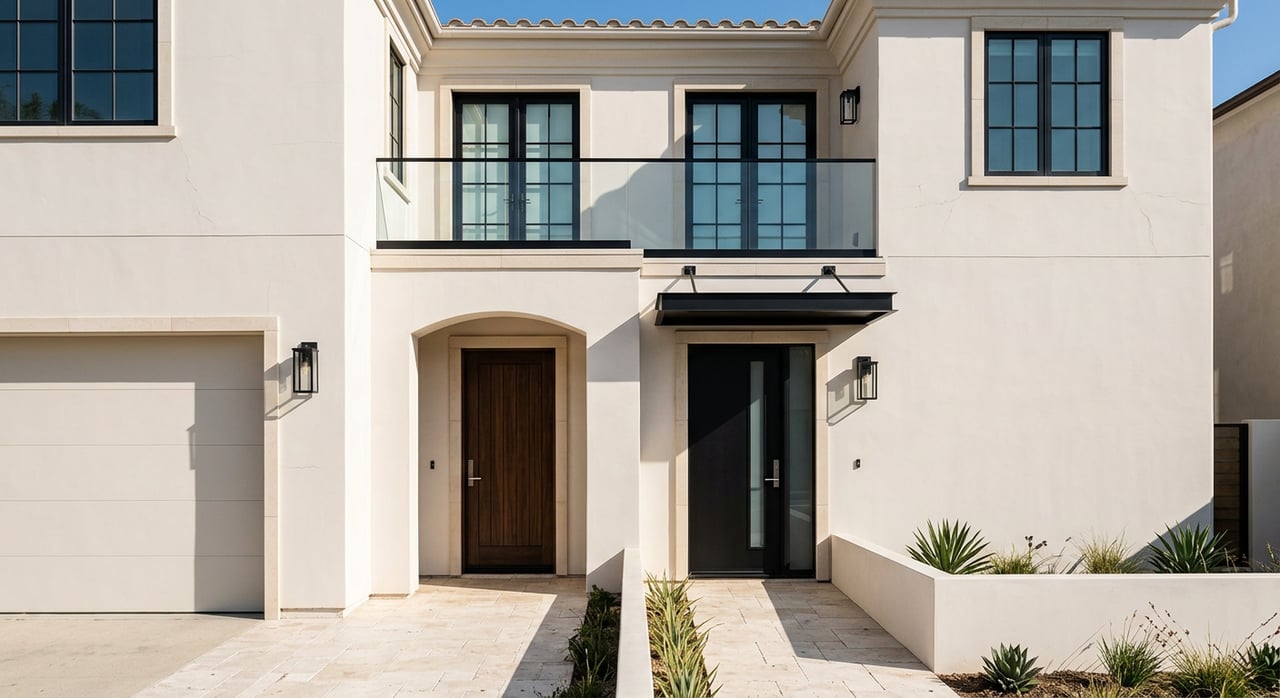
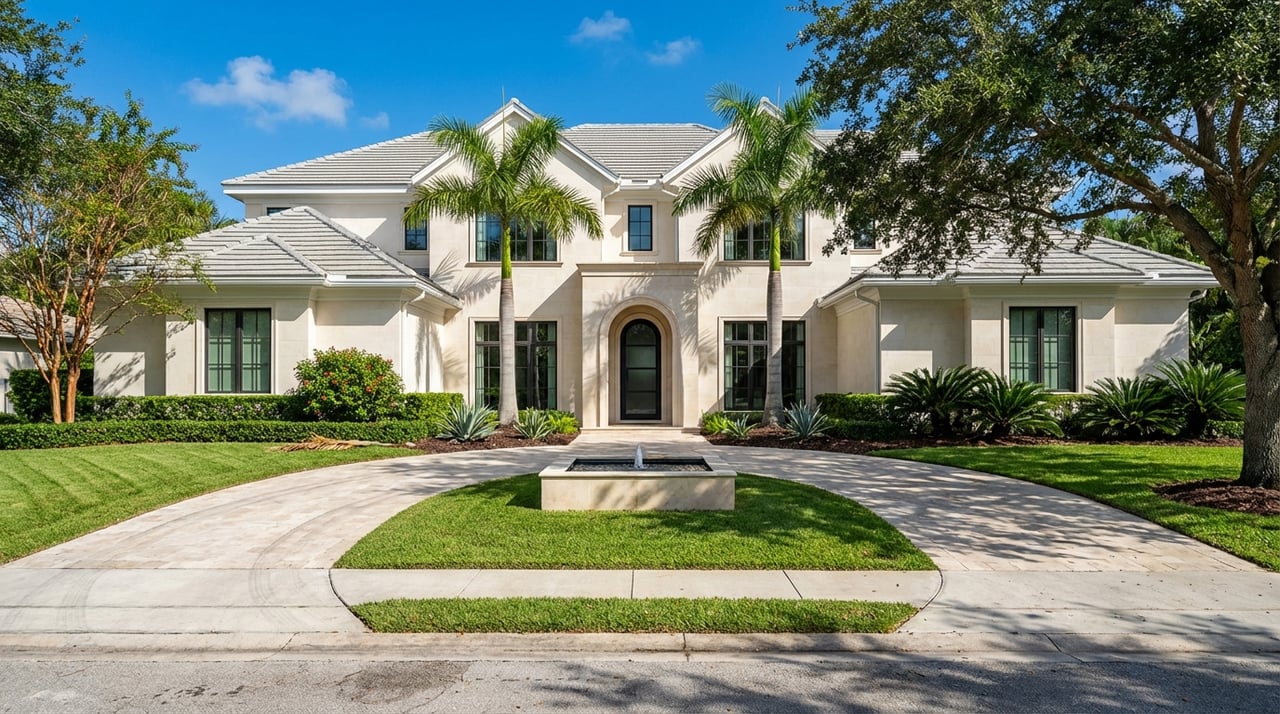
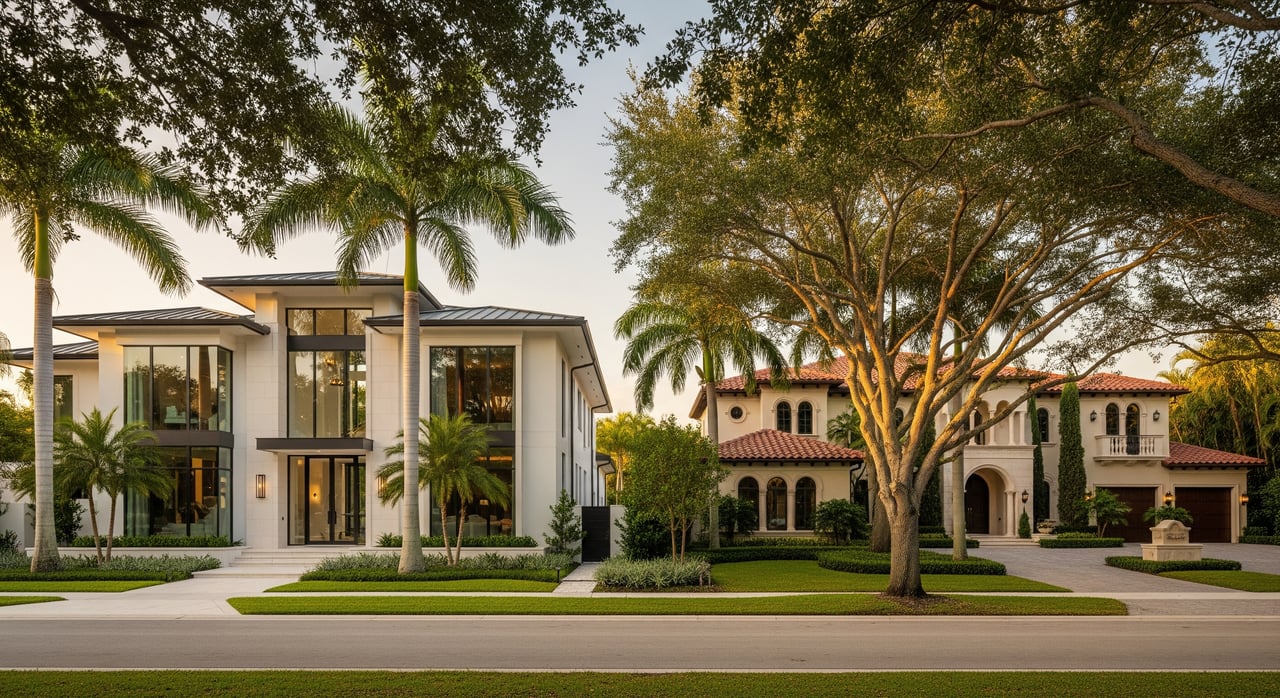
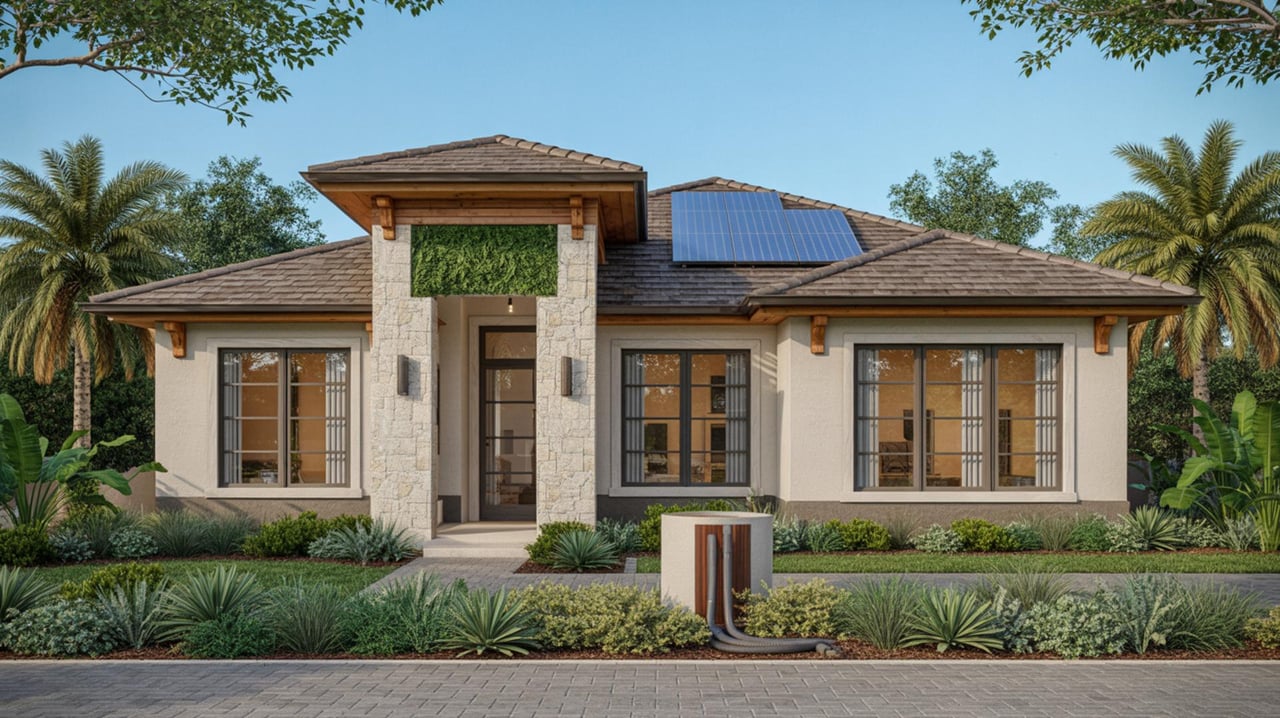
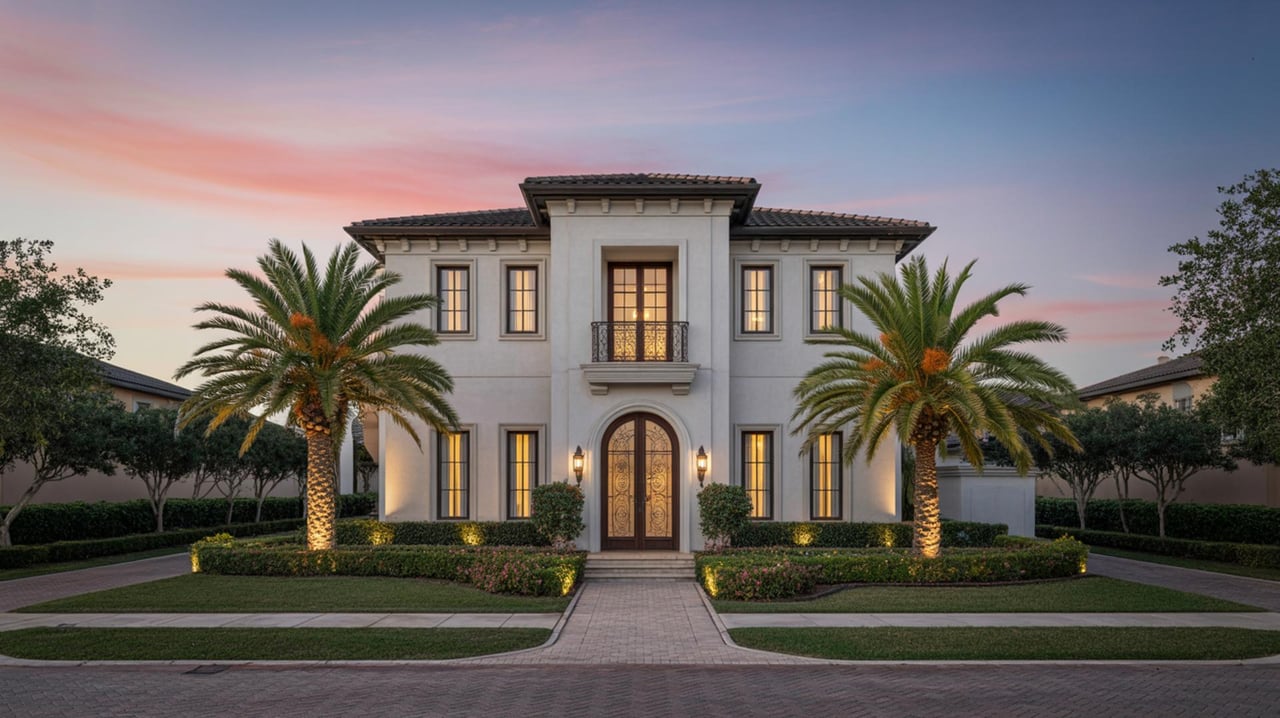
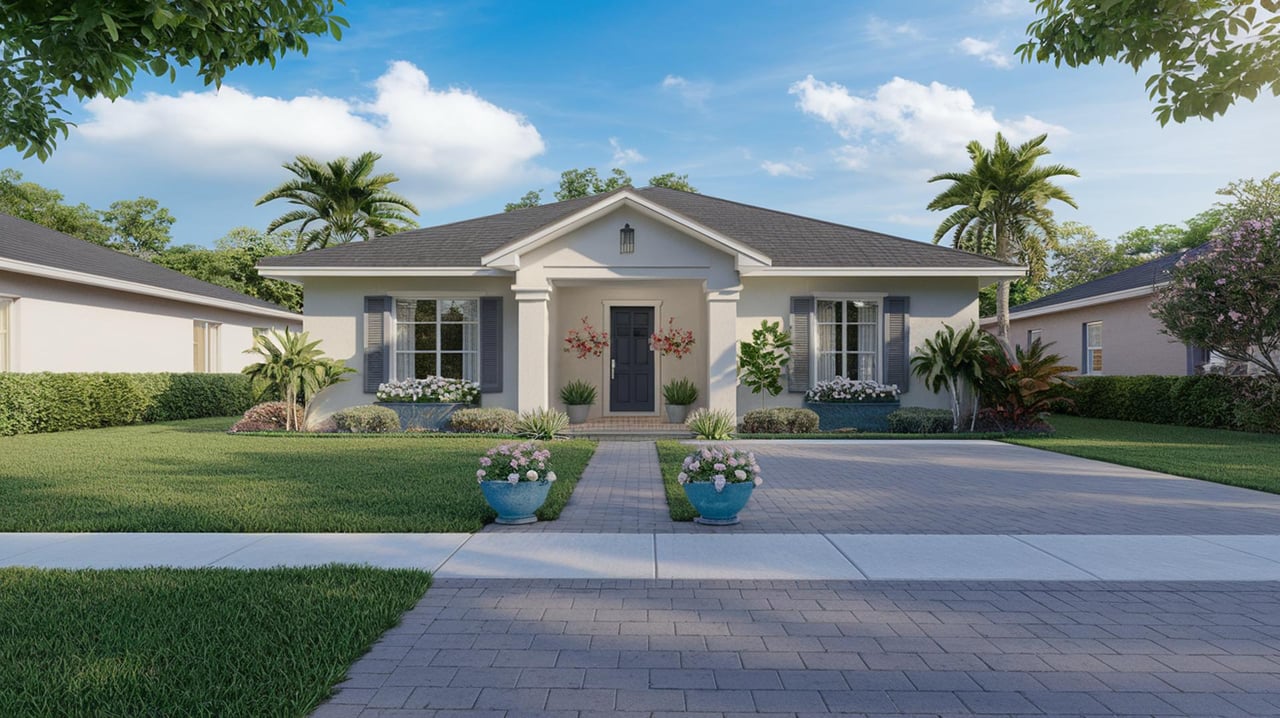
Coral Springs offers a wide mix: single-family homes on suburban lots, townhome clusters, condos, and gated communities that feel country-club adjacent. Styles often include Mediterranean and contemporary updates, with many larger floor plans built in the 1990s and 2000s. Some subdivisions have strong HOA structures with amenities, while older pockets may have lower or no association fees. Decide early whether you want gated access, shared amenities, or more flexibility with exterior changes.
Parks and culture access
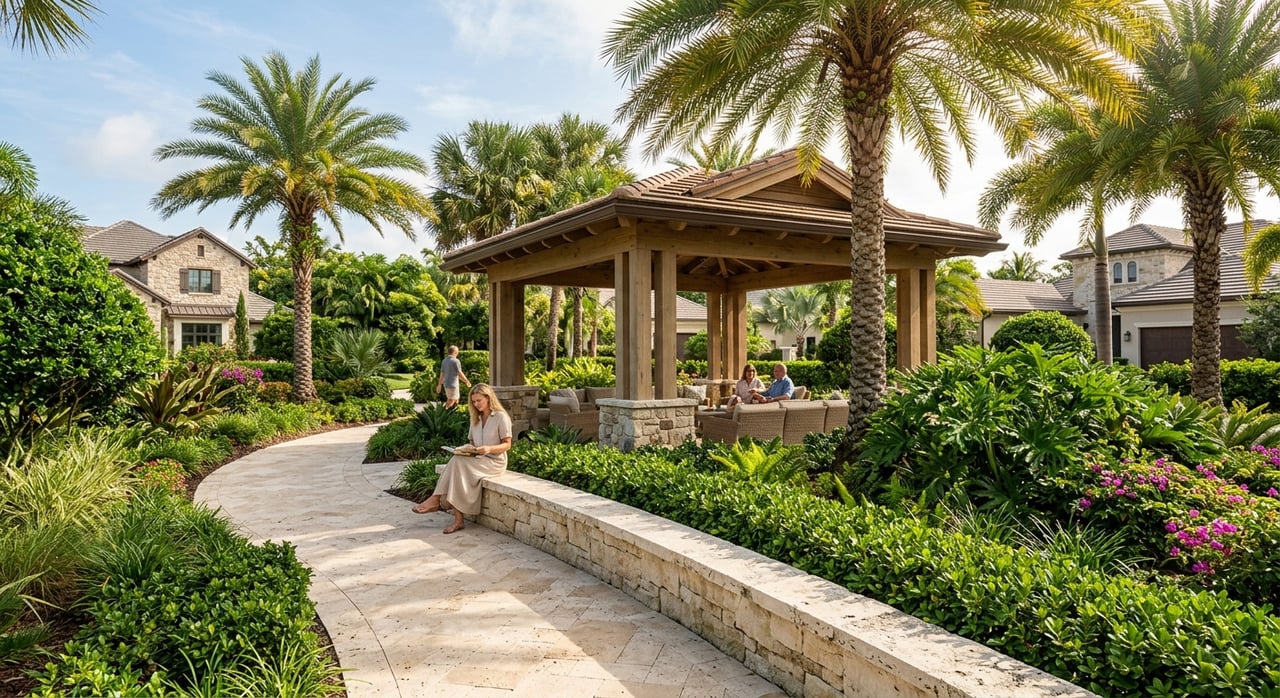
If easy recreation is a must, Coral Springs shines. The city’s Parks Directory lists 49 parks with playgrounds, sports fields, splash pads, and an Aquatic Complex. Neighborhoods near sizable parks tend to feel active and convenient.
Two examples you can put on your map:
- Turtle Run Park offers fields and community space, and the city has invested in improvements. See coverage of recent Turtle Run Park upgrades to understand the scale of amenities.
- Betti Stradling Park is another community hub with sports and a splash pad.
For arts and culture, watch the Coral Springs Museum of Art relocation project. The Coral Springs Center for the Arts also anchors year-round programming. If you value events, classes, and a vibrant calendar, include these in your neighborhood comparison.
Commute and daily routes
Coral Springs is primarily car oriented. Your daily drive will likely run along University Drive and Sample Road for local trips, with the Sawgrass Expressway connecting you regionally. FDOT is working on the University Drive Mobility Improvement Project, and the city tracks resurfacing and corridor work on its resurfacing and rehabilitation projects page.
- If you need fast access to expressways, focus on neighborhoods with quick connections to Sawgrass.
- If your routine is local, weigh proximity to University and Sample for everyday errands.
- Always test-drive routes at your real commute time to confirm.
School zone checks
Broward County Public Schools serve Coral Springs. Many elementary and K–8 schools in the city receive A or B ratings on common aggregator sites, and the Coral Springs High School profile shows an above-average overview on Niche. Because boundaries can change, always verify the assigned schools for a specific address with district tools. If a certain program or grade configuration is important, make school-zone confirmation your first filter.
HOA costs and rules
Planned and gated communities often include pools, clubhouses, landscape maintenance, and reserves funded by HOA dues. Others have lower fees or none at all. When you evaluate a property, request the full HOA package and scan for:
- What dues include (exterior insurance, lawn care, security, reserves)
- Parking, leasing, and short-term rental rules
- Architectural controls for paint, roofs, additions, and fencing
- Special assessments in the past 5 years
- Reserve levels and any upcoming capital projects
A clear HOA picture helps you compare true monthly costs and flexibility.
Safety and due diligence
Safety expectations are personal, and data varies by block. Use multiple sources, including official city updates and third-party tools like crime analytics, to get context. Then confirm your comfort level by visiting at different times and speaking with your insurance provider about area-specific risk and cost factors.
Flood, insurance, and hurricanes
Coral Springs sits inland, but flood exposure still varies by parcel and elevation. Start your review with the city and county mapping resources, including this property records map that can lead you to local GIS and flood layers. If a property is in or near a Special Flood Hazard Area, consider an elevation certificate and obtain flood and homeowner’s insurance quotes early. Assess the roof age, wind mitigation features, and shutter or impact window coverage so you understand total carrying costs.
Market snapshot and price signals
As of late January 2026, Zillow reports a typical Coral Springs home value around 514,390. This is a useful citywide frame, but prices vary by neighborhood, lot size, age, and updates, and some zip codes track well above or below the city median. Days on market can also differ by micro-market and price band. When you get serious, pull recent sold comps at the subdivision and street level, then weigh the home’s condition, HOA dues, and insurance costs to hone your offer range.
Neighborhood quick filters
Use these unranked examples to jump-start your short list. Each capsule outlines fit, HOA context, nearby amenities, and key tradeoffs.
Coral Creek
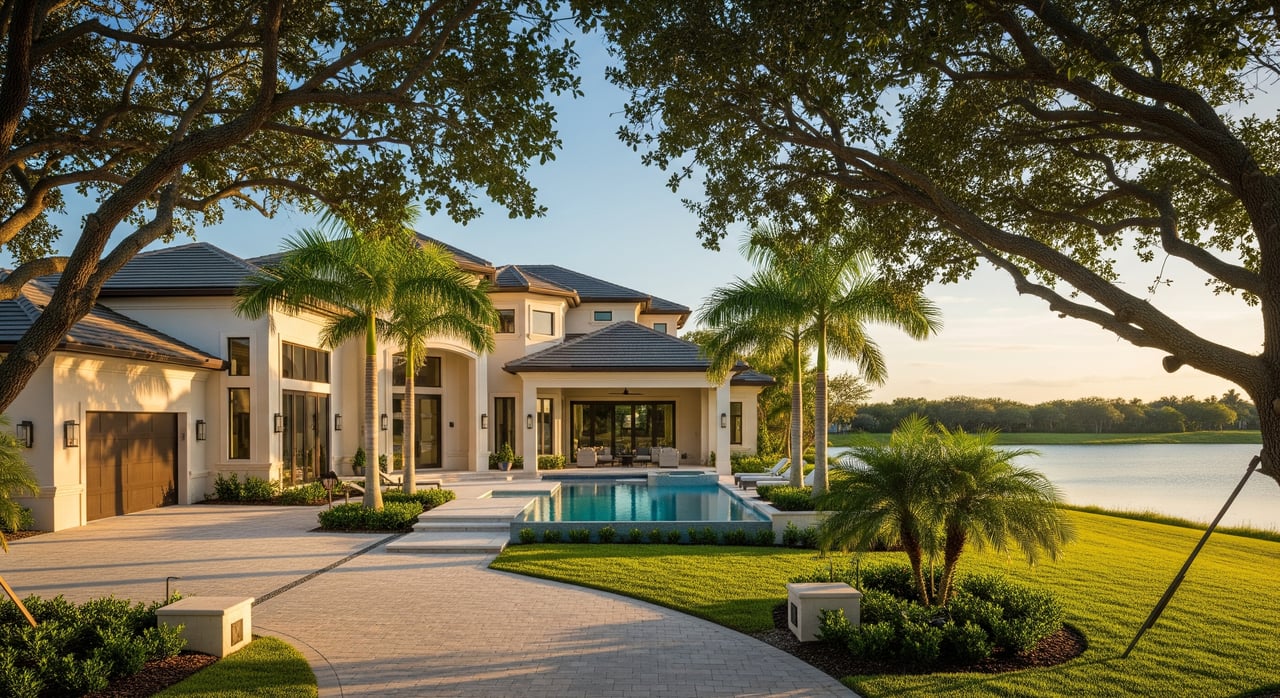
- Fits: Buyers seeking larger lots, water features, and established streets.
- Price signals: Often near or above the city median depending on lot and updates.
- HOA: Gated sections are common; confirm dues and what they include.
- Parks and schools: Convenient to northwestern city parks; verify school zones for a specific address.
- Pros: Spacious feel, curb appeal, and community amenities in certain sections.
- Tradeoffs: HOA rules may limit exterior changes, and dues add to monthly costs.
Turtle Run and Pine Ridge
- Fits: Buyers who want quick access to parks and neighborhood fields.
- Price signals: A range of options, with value varying by pocket and home age.
- HOA: Mix of associations by subdivision; review CC&Rs for leasing rules.
- Parks and schools: Steps to Turtle Run Park; verify school assignment.
- Pros: Strong everyday convenience and active outdoor space nearby.
- Tradeoffs: Proximity to busier roads in some pockets; compare noise at different times.
Eagle Trace
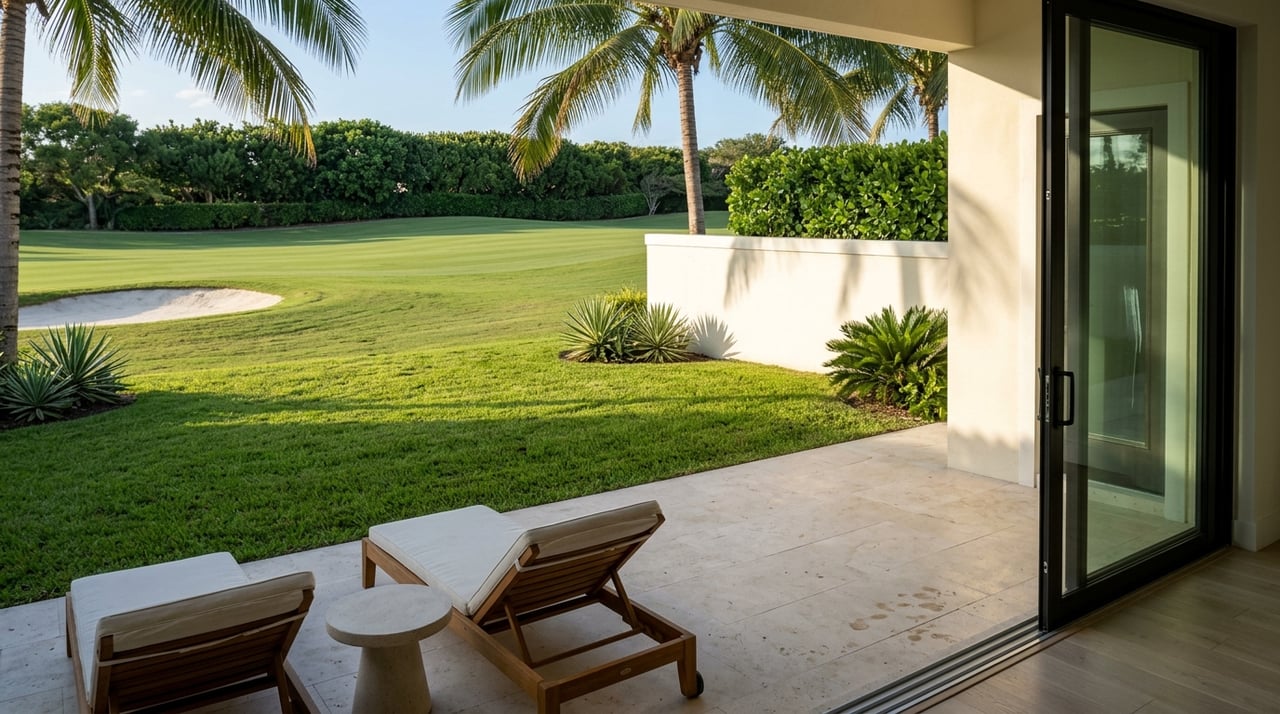
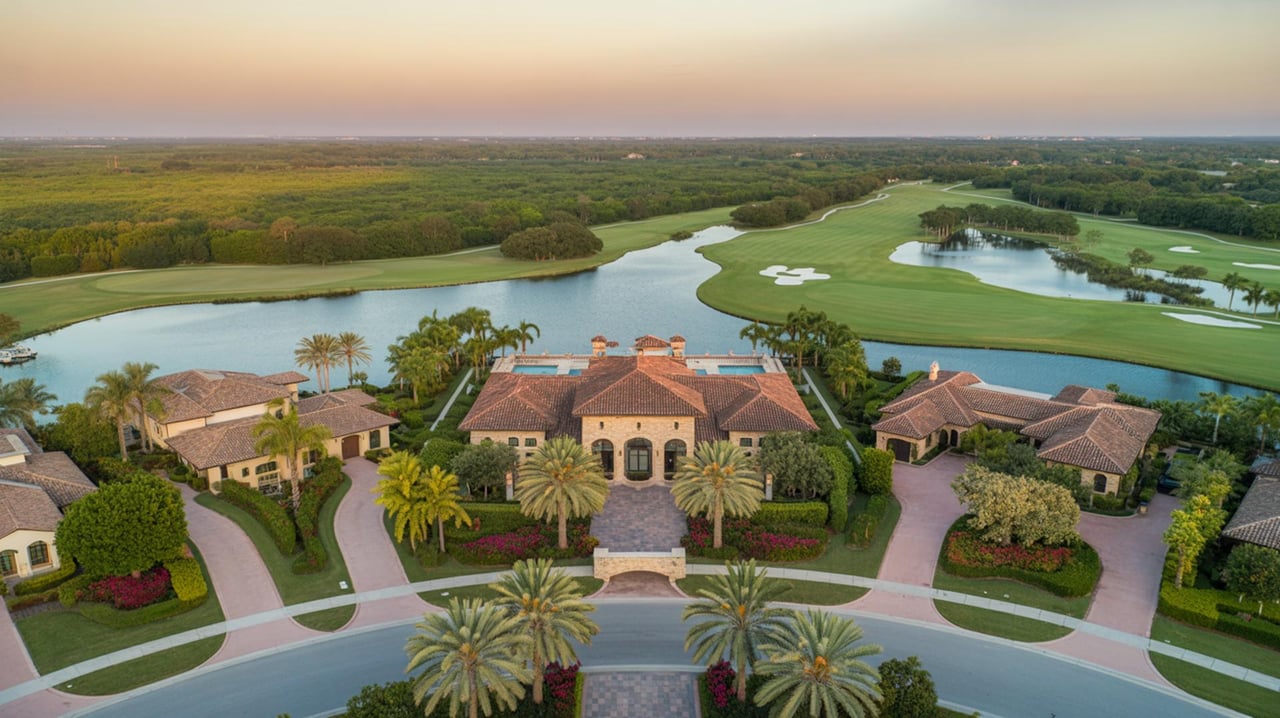
- Fits: Golf-oriented buyers seeking a gated, country-club setting.
- Price signals: Often above the city median, reflecting amenities and lot sizes.
- HOA: Guarded access and community standards; confirm golf membership details and any extra fees.
- Parks and schools: Easy access to city parks by car; confirm school zones by address.
- Pros: Prestige feel, course views, and cohesive presentation.
- Tradeoffs: Higher dues and more structured rules than non-gated areas.
Kensington
- Fits: Buyers moving up to larger single-family homes with suburban convenience.
- Price signals: Varies by section and renovation level; many homes trend at or above city median.
- HOA: Typically organized by subdivision; check reserves, painting/roof standards, and leasing limits.
- Parks and schools: Multiple neighborhood parks nearby; verify schools for your address.
- Pros: Larger floor plans and curb appeal in established streets.
- Tradeoffs: Renovation scope can vary, so plan for updates if needed.
Wyndham Lakes
- Fits: Buyers who want gated living without luxury-club fees.
- Price signals: Broad range based on home size and updates.
- HOA: Multiple sub-associations with different dues and amenities; read each budget and rule set.
- Parks and schools: Park access within a short drive; confirm school assignment.
- Pros: Controlled access and neighborhood amenities in many sections.
- Tradeoffs: Rules and dues differ by sub-association, so compare closely.
Near the Coral Square corridor
- Fits: Buyers who prize quick access to shopping, dining, and daily services.
- Price signals: A mix of condos, townhomes, and single-family options around the city median, varying by pocket.
- HOA: Condos and townhomes may include exterior insurance; verify coverage and reserves.
- Parks and schools: Multiple parks within short drives; verify school assignment.
- Pros: Everyday convenience and shorter errand times.
- Tradeoffs: Busier roads and activity in peak retail hours.
Buyer comparison checklist
Use this list for any address you’re considering.
- Confirm school assignment for the exact property using district tools, then verify programs or grade configurations if needed.
- Pull recent sold comps and days on market at the subdivision and street level to set realistic price expectations.
- Review HOA documents, including CC&Rs, bylaws, current budget, reserve study, and board minutes for the last 2 to 3 years.
- Map nearby parks, programs, and any planned improvements using the city’s directories and project pages.
- Check flood layer and elevation; order an elevation certificate if the lot is in or near a Special Flood Hazard Area.
- Test the commute during real travel times; note any current or upcoming corridor projects that may change drive times.
- List daily needs within a 10- to 15-minute radius, including groceries, medical, and childcare.
- Review neighborhood safety context through multiple sources and time-of-day visits to confirm your comfort level.
- Confirm utilities and any planned municipal work that could affect streets, water, or sewer.
- Get early insurance quotes for homeowner’s and flood coverage; factor roof age, wind mitigation, and claims history.
Next steps and local help
Choosing a Coral Springs neighborhood is easier when you have on-the-ground insight. Our team pairs years of local knowledge with real comps, HOA document reviews, and a clear offer strategy so you can move forward with confidence. If you want a tailored short list, a school-zone confirmed search, or a valuation ahead of a sale, we’re ready to help.
Talk to Steven Kaminer to request a complimentary home valuation or speak with our team today.
FAQs
What shapes commute times in Coral Springs?
- Major routes include University Drive, Sample Road, and the Sawgrass Expressway; check the University Drive Mobility Improvement Project for updates and test-drive your route at peak hours.
How do I verify school zones for a Coral Springs address?
- Use Broward County Public Schools’ zone tools to confirm the assigned schools for your specific address, then review profiles like the Coral Springs High School profile for additional context.
What is a typical Coral Springs home value right now?
- As of late January 2026, Zillow reports a typical home value around 514,390 citywide, though neighborhood, lot size, and updates can push a property above or below that figure.
How can I check flood risk for a Coral Springs home?
- Start with city and county GIS resources via the property records map, then review FEMA flood maps and consider an elevation certificate if the property is near a Special Flood Hazard Area.
Where can I find parks and recreation near a potential home?
- Use the city’s Parks Directory to explore 49 local parks, then visit nearby sites like Turtle Run Park in person to gauge convenience and activity levels.