Thinking about moving to Parkland from out of the area? If so, you are probably trying to answer a few big questions fast: what the housing mix looks like, how daily travel feels, and what you should verify before you book a trip or make an offer. Relocating is exciting, but it also comes with extra moving parts when you are learning a new market from a distance. This guide will help you understand how Parkland works, what to expect on the ground, and how to make smarter decisions before you commit. Let’s dive in.
Why Parkland Stands Out
Parkland is in northwest Broward County and has an estimated 2025 population of 39,186 across about 12.5 square miles. The city’s residential profile is especially notable, with 85.1% owner-occupied housing and a median owner-occupied home value of $983,000. That gives you a clear starting point if you are comparing Parkland with other South Florida locations.
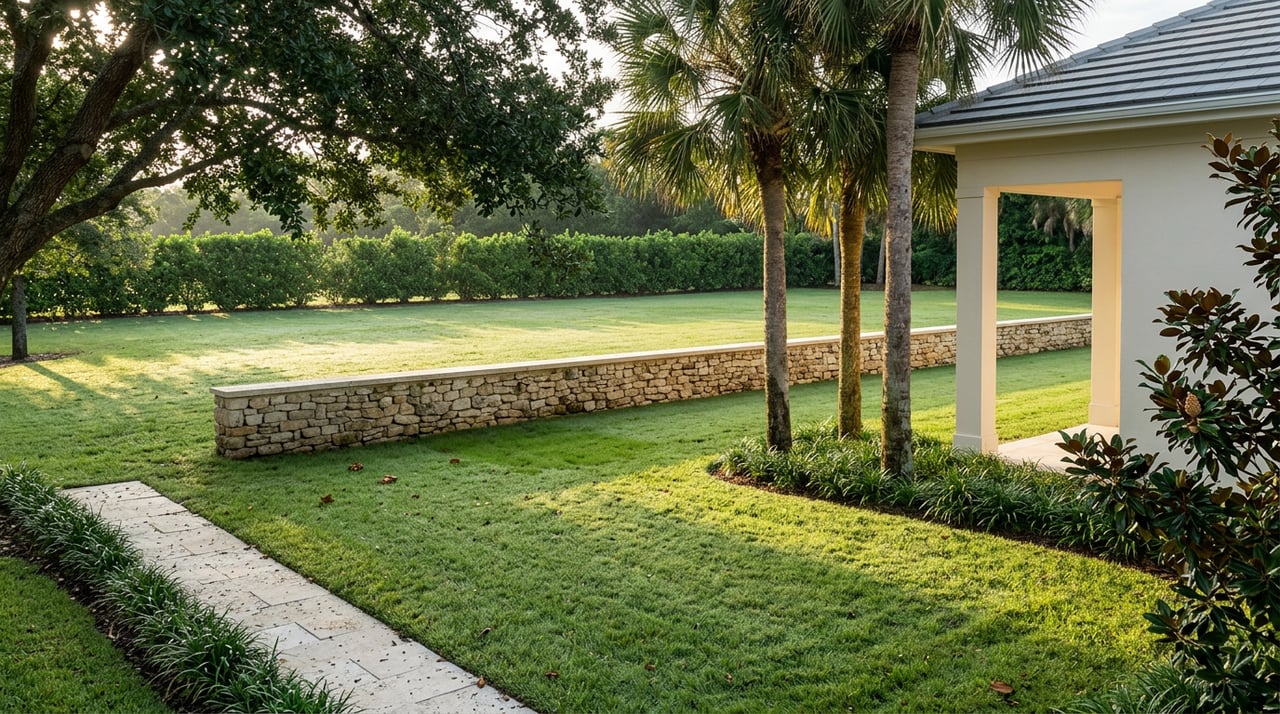
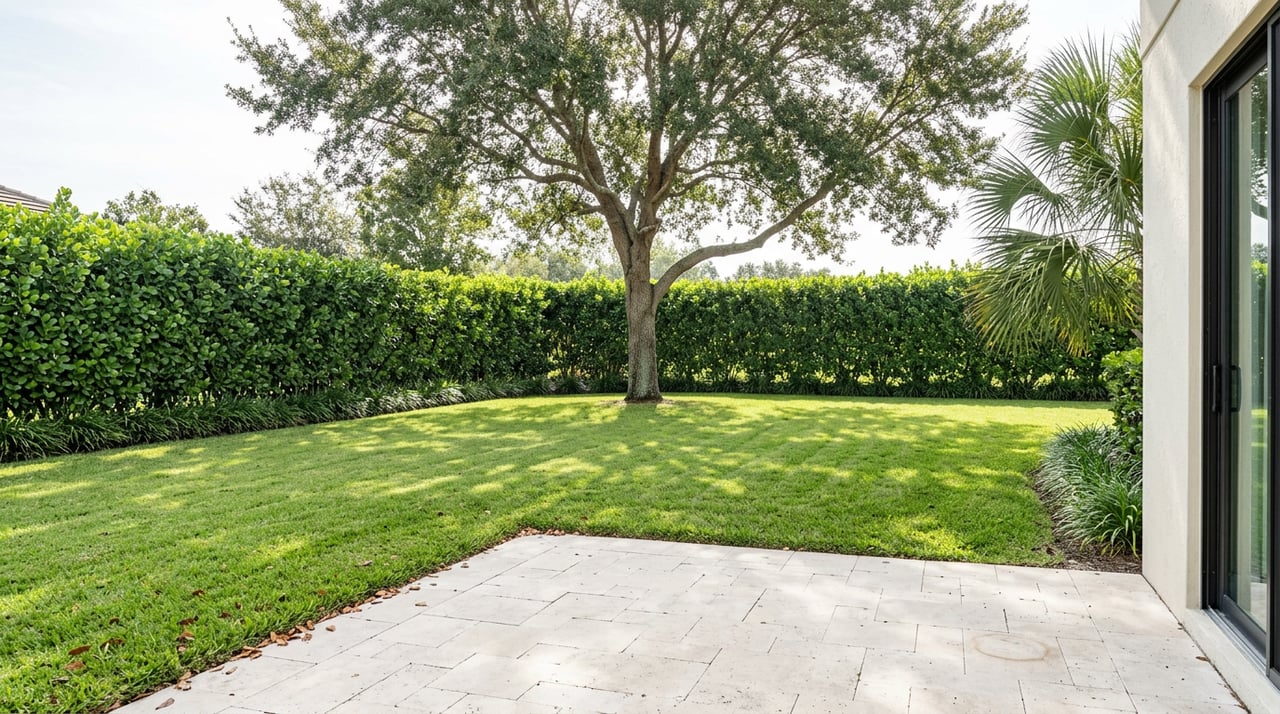
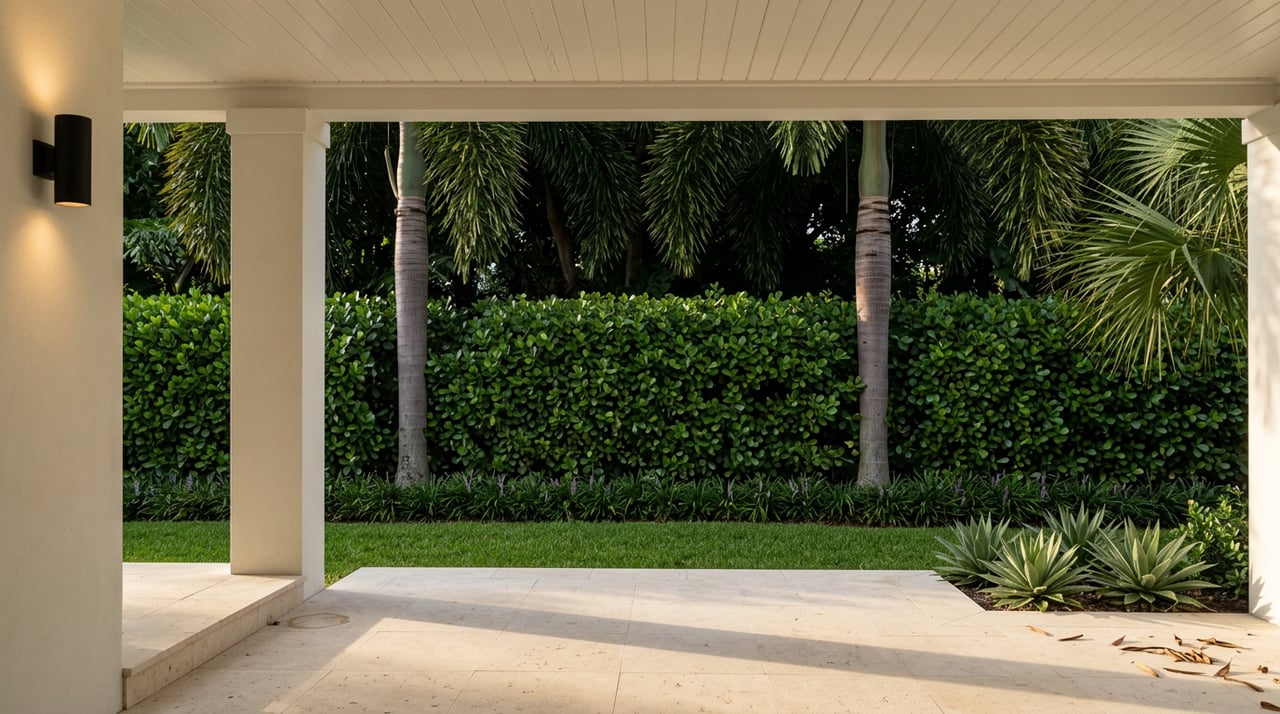
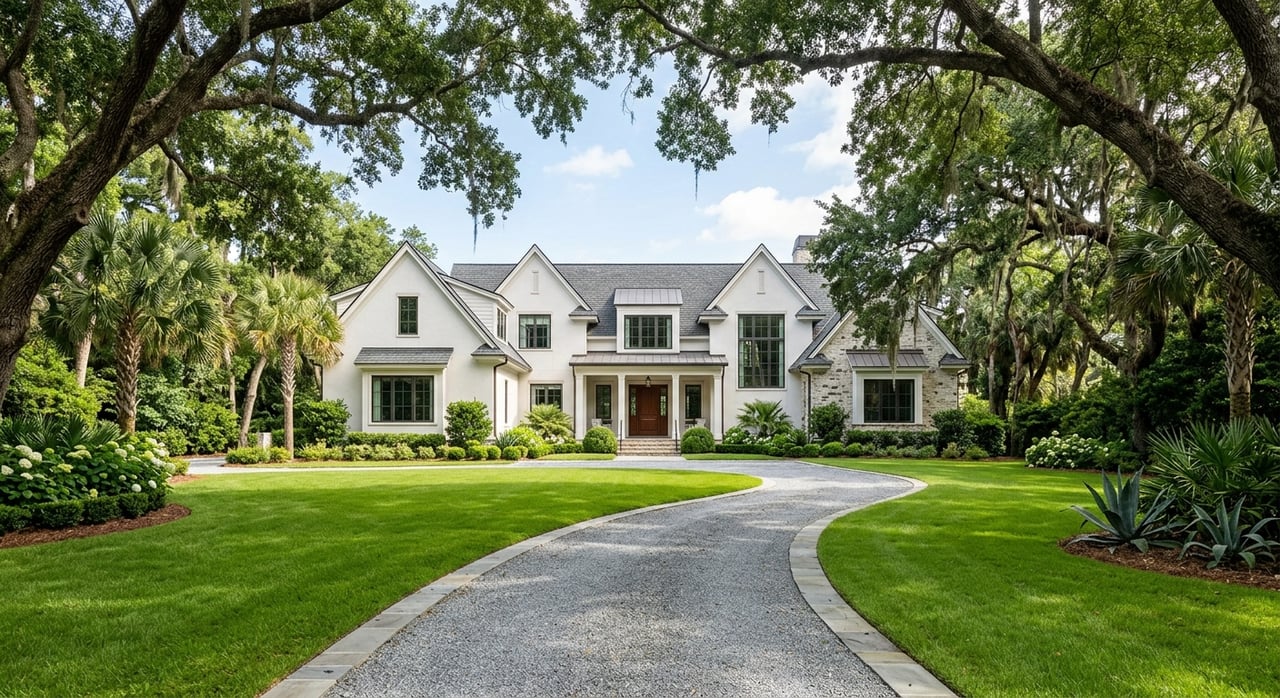
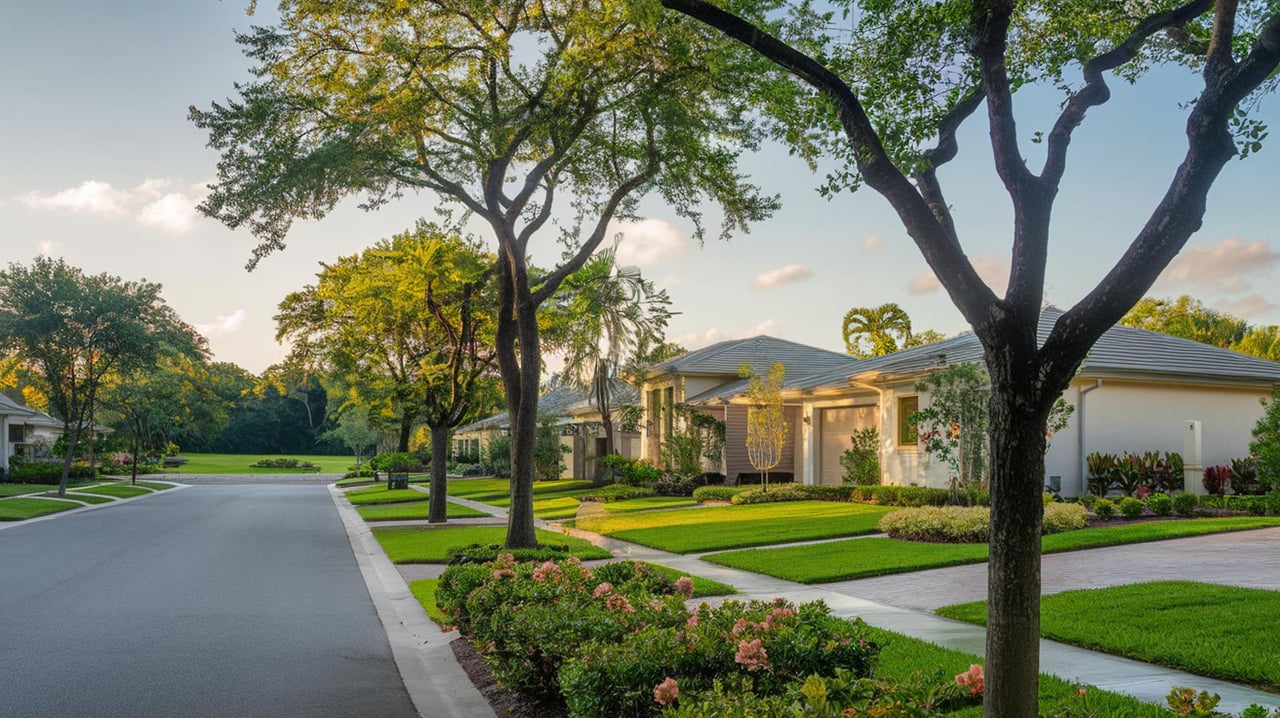
The city is often described in official materials as suburban and semi-rural, with about 83% of existing land use dedicated to residential use. In practical terms, that means Parkland tends to feel more residential than commercial. If you are relocating from a denser city or a more mixed-use area, that difference can shape how you think about convenience, space, and day-to-day routines.
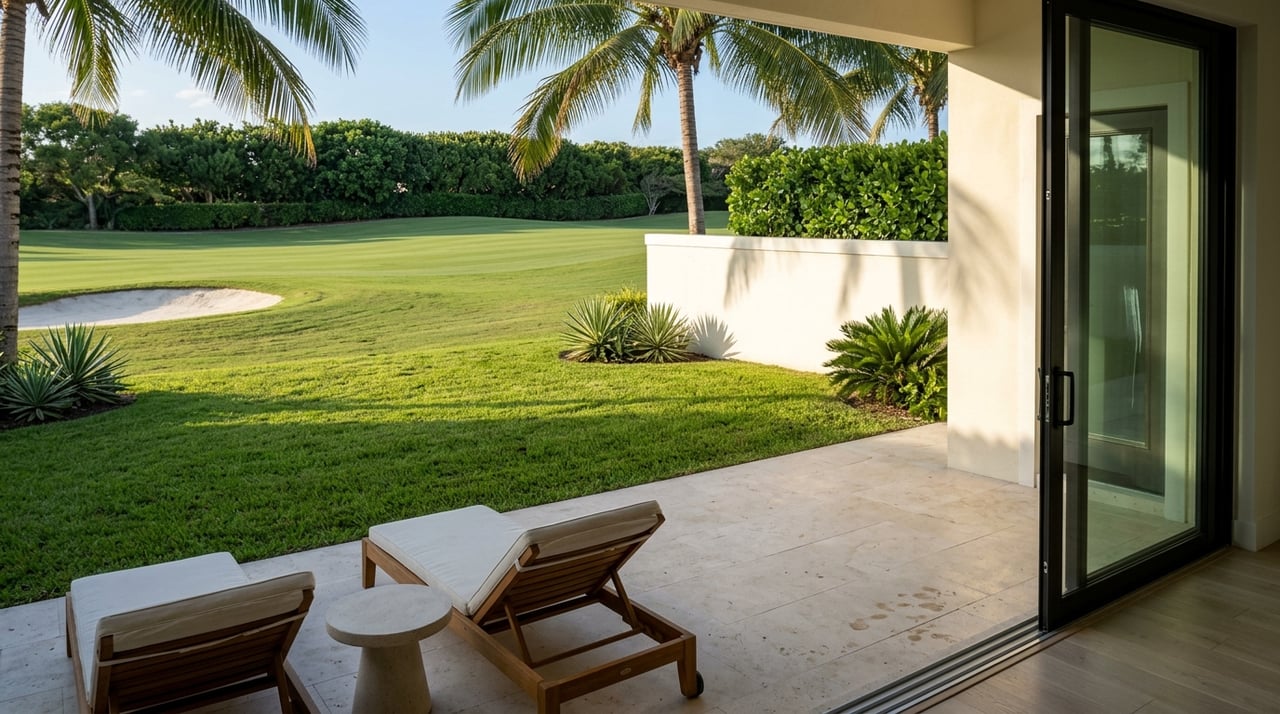
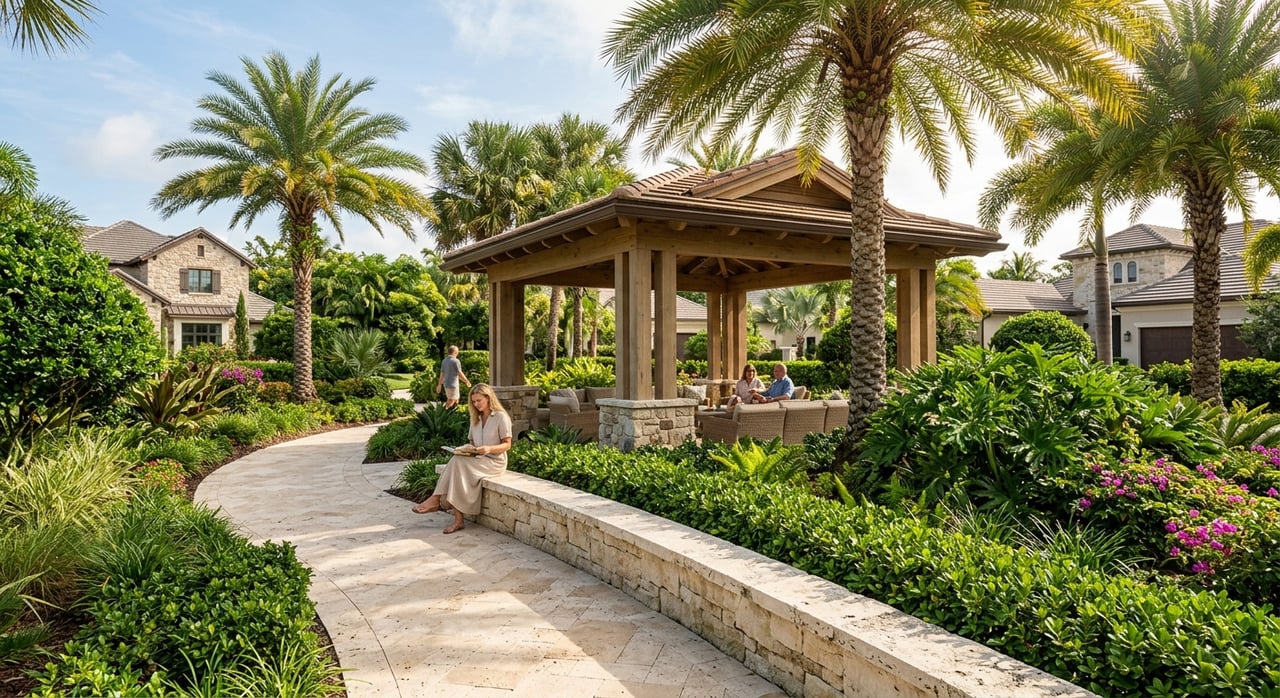
Parkland also has a visible parks-and-trails identity. The city lists multiple parks and pathway locations, including 6 Acre Wood Park, as part of a broader parks and trails network. If outdoor access matters to you, this is one of the features worth noticing early in your search.
What Housing Looks Like in Parkland
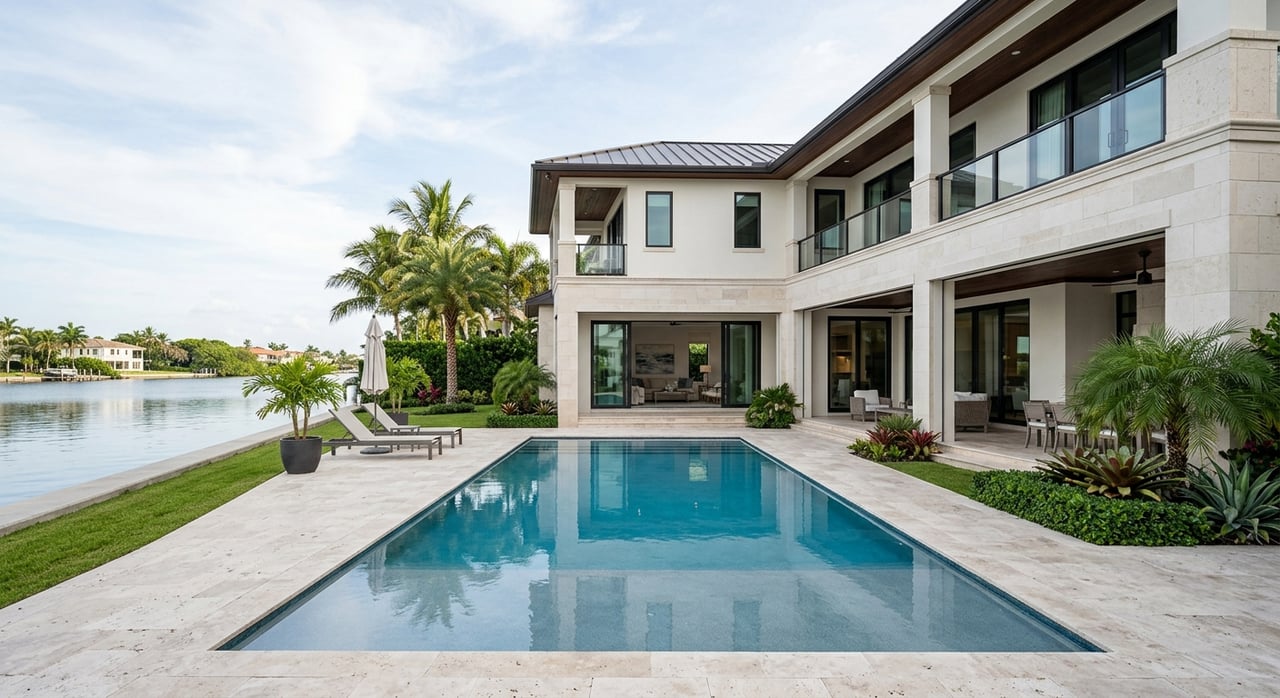
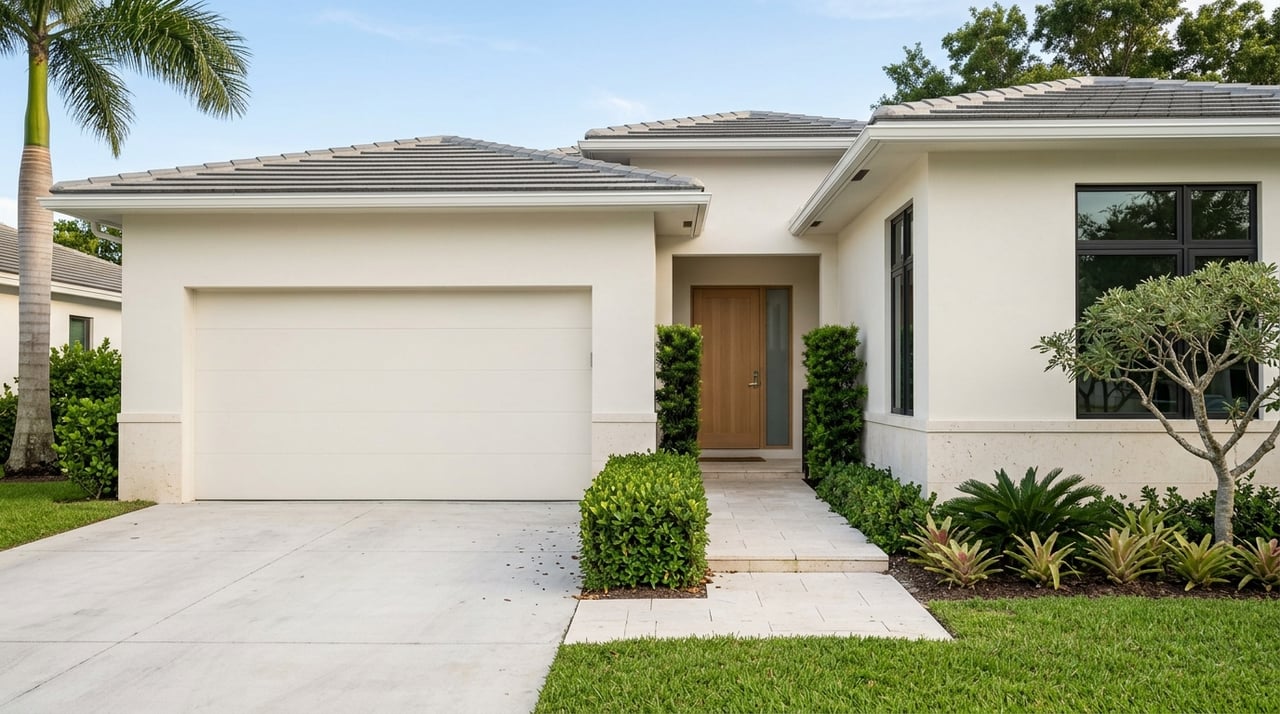
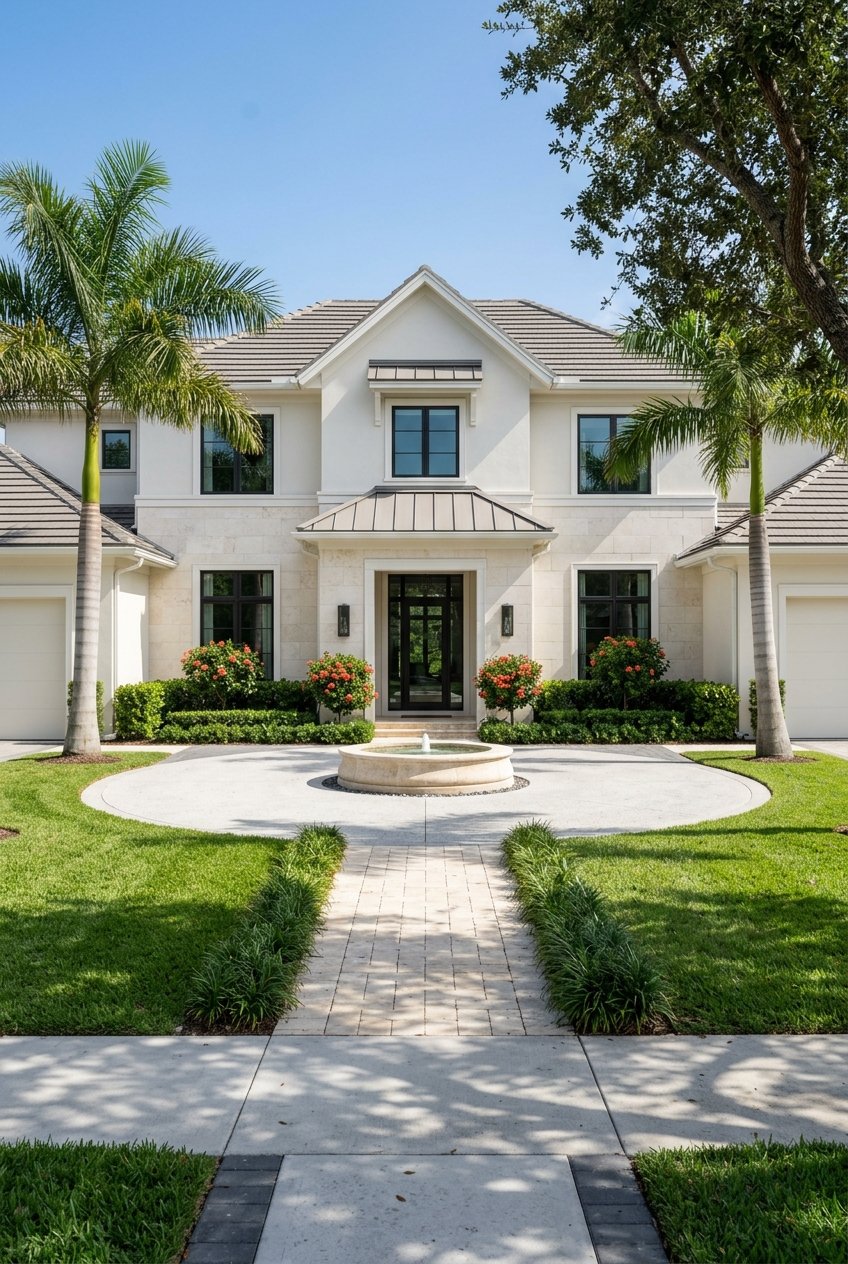
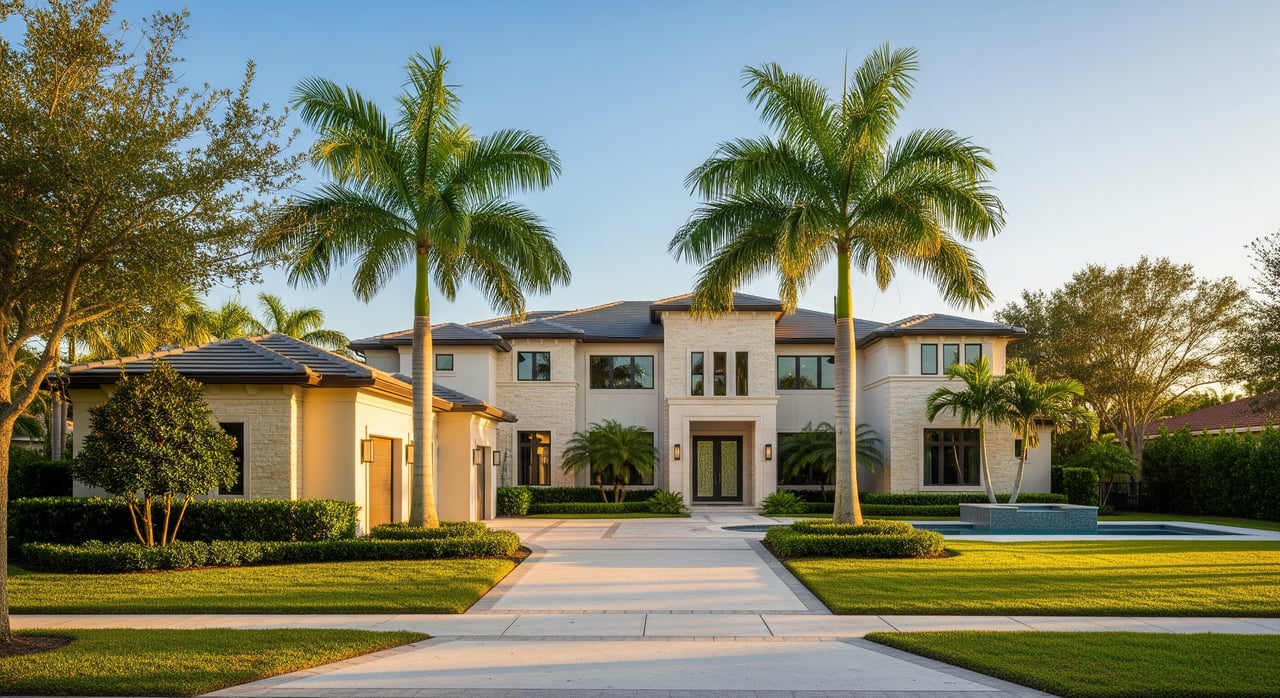
If you are moving to Parkland, the biggest housing takeaway is simple: this is primarily a single-family home market. City budget materials put the housing mix at roughly 86% single-family, 4% condominiums, and 3% multifamily, with the balance listed as vacant. That means your search will likely center on detached homes rather than condos or large apartment-style communities.
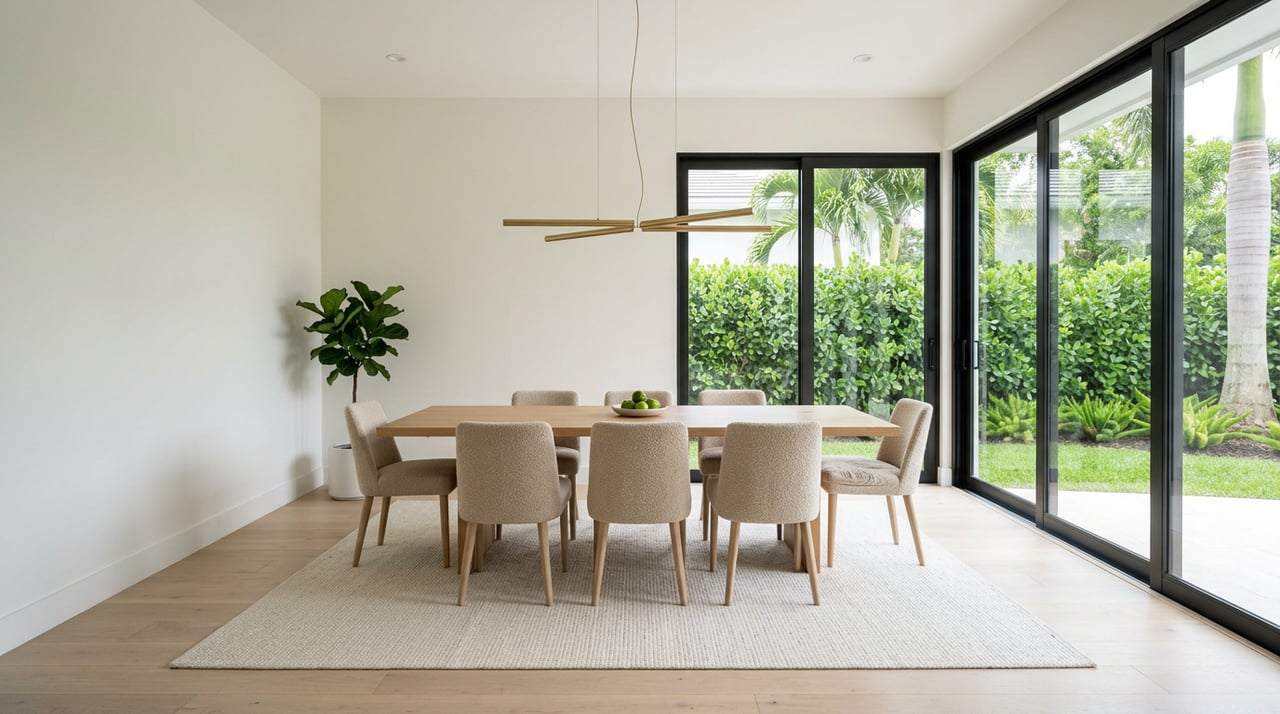
This matters for both budget and expectations. A market with mostly owner-occupied single-family homes often comes with different inventory patterns, pricing, and community rules than a market built around condos or rentals. You may also find that resale inventory plays a bigger role in your search than broad waves of new construction.
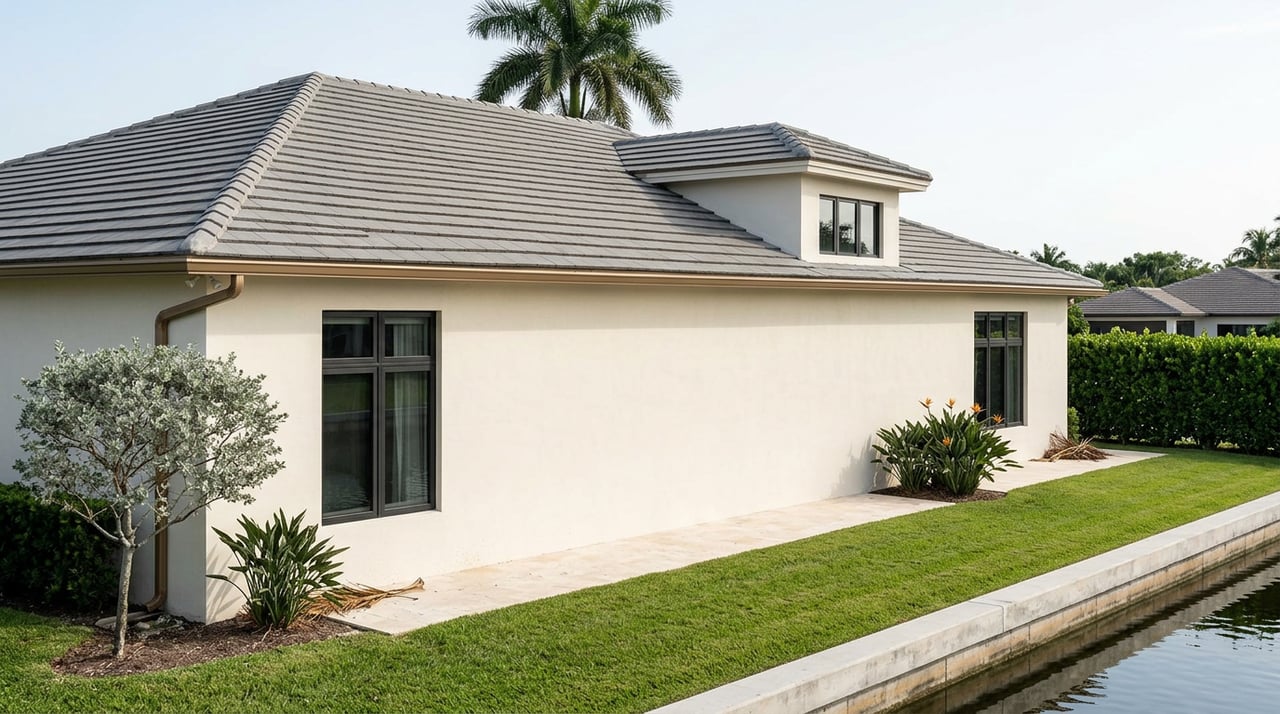
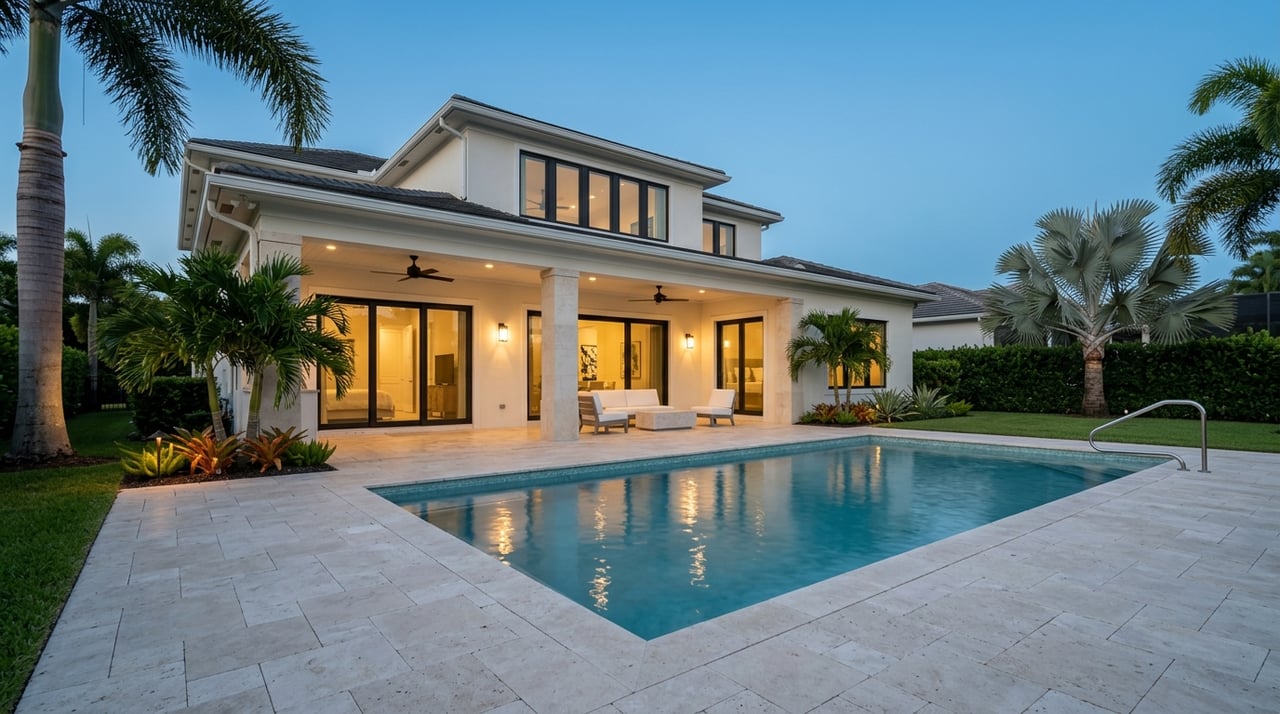
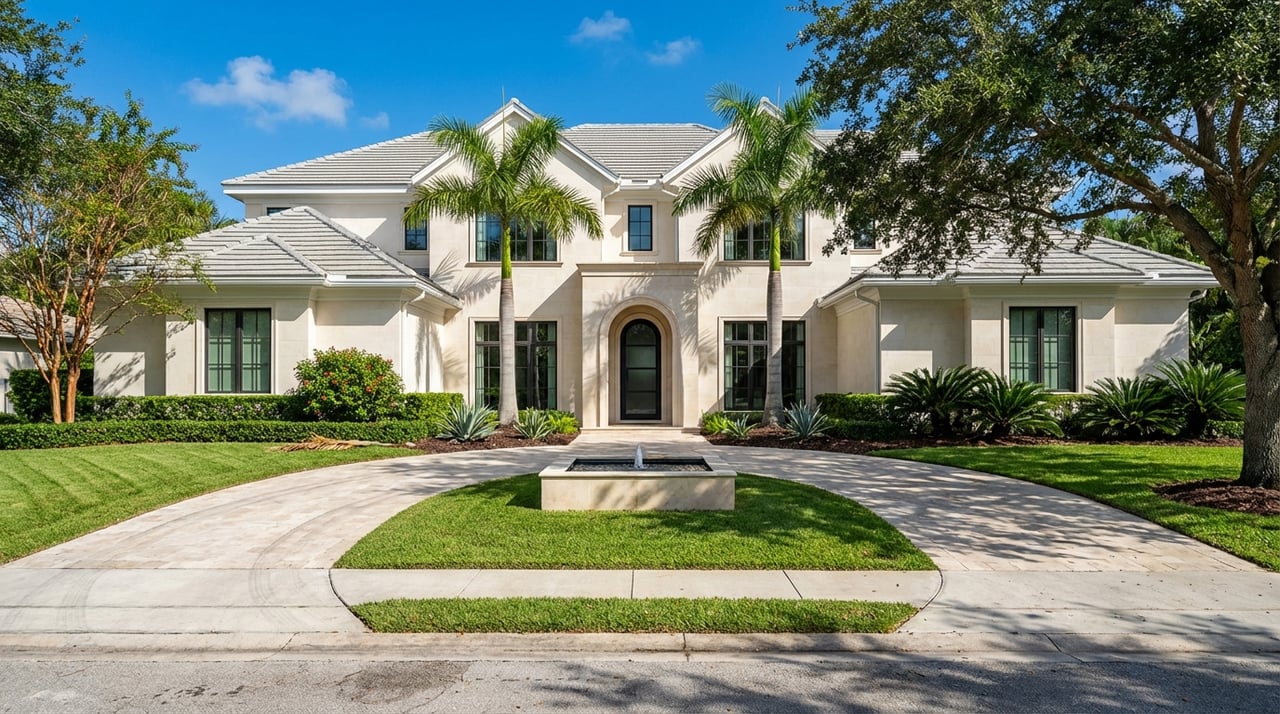
Parkland does include a range of community types. City materials reference neighborhoods and developments such as Miralago, Town Parc, Watercrest, Cascata, Parkland Bay, Four Seasons, and The Falls, which shows that buyers may encounter townhomes, standard single-family options, and 55+ active-adult housing. Even with that variety, the overall character still leans strongly toward detached residential living.
Expect a Community-Association-Aware Search
Because much of Parkland’s housing is within planned communities, it helps to approach your search with community association details in mind. If you are relocating from an area where association rules are less common, this can be a meaningful adjustment. Items like parking, exterior changes, amenities, and approval processes may deserve extra attention before you move forward.
New development in Parkland appears selective rather than widespread. For example, one city budget update described Saltgrass at Heron Bay as a new luxury residential community limited to no more than 52 single-family homes. That suggests buyers should expect a market shaped more by resales and limited new inventory than by large-scale new community rollout.
A relocation strategy should account for that reality. If your ideal home type is highly specific, flexibility on timing, community, or features can help. It also helps to review available documents early so you are not learning key restrictions late in the process.
How to Think About Commute and Access
Commute planning matters more than many out-of-area buyers expect. Parkland stretches west from State Road 7 / U.S. 441 to the Everglades and north from the Sawgrass Expressway to Loxahatchee Road. Depending on where you work or travel regularly, your day-to-day drive can feel very different from one part of the city to another.
Census data shows a mean travel time to work of 32.5 minutes. That does not tell you what your exact commute will be, but it does reinforce why a test drive is worth your time before you narrow your options. A home that looks perfect online may feel less practical once you experience the route during a weekday rush.
Current road projects can also affect travel patterns. The city is tracking Loxahatchee Road improvements that include a long detour period, and Florida’s Turnpike Enterprise is in the design phase of a Sawgrass Expressway expansion from Sample Road to SR 7 / U.S. 441. If you are scouting Parkland, checking traffic conditions before a tour can save you time and help you evaluate access more accurately.
Rail and Regional Access Nearby
Most Parkland buyers focus first on driving, but regional rail may still matter depending on your routine. Tri-Rail lists stations in Pompano Beach and Fort Lauderdale, and Brightline serves Fort Lauderdale. If your work or travel includes trips farther south or north, these options may be part of your broader planning.
That said, station access still begins with your drive from Parkland. If rail is part of your lifestyle, map the full trip from your potential address, not just the train schedule. This is especially important when you are comparing neighborhoods from out of town.
Best Time to Visit Parkland
A scouting trip can shape your relocation more than hours of online searching. Climate data for the Fort Lauderdale-Hollywood Airport area shows a mean annual temperature of 77.2°F, with summer monthly mean highs around 88 to 90°F. Annual precipitation is 60.95 inches, and the wettest stretch is generally late spring through fall.
Late fall through early spring is often the most comfortable time to visit if your goal is to tour multiple homes and neighborhoods in one trip. Conditions are typically easier for getting around and spending time outdoors. If you are trying to maximize comfort and efficiency, that window makes sense.
A summer or early-fall visit can still be very useful. The Atlantic hurricane season runs from June 1 through November 30, according to the National Hurricane Center, and a warmer, wetter visit can help you evaluate drainage, cooling performance, and storm-readiness factors with your own eyes.
A Smart Scouting-Trip Plan
If possible, do more than one type of visit. A strong relocation plan is one weekday visit, one weekend visit, and, if you can manage it, one visit during the summer rainy season. That approach gives you a fuller picture of traffic flow, neighborhood rhythm, and weather-related conditions.
During a weekday visit, focus on commute routes, school-assignment verification, and how long it takes to reach your regular destinations. During a weekend visit, pay attention to how the area feels when people are home and moving around differently. If you visit during rainy season, observe road conditions, standing water, and how homes and streets handle heavy rain.
If you cannot travel right away, virtual tours can still be productive if you ask for the right things. Prioritize live exterior video, street context, garage and parking flow, HOA or community documents, insurance quote research, and a school-zone printout for the exact address.
What to Verify Before You Book a Trip
Out-of-area buyers can save time by using a few official tools before they tour homes. For school assignments, Broward County Public Schools provides a school locator based on the property’s primary residential address. That matters because school assignments are address-specific, and school-choice options are handled separately.
Flood exposure should also be checked early. FEMA’s Flood Map Service Center is the official public source for flood hazard information, and Broward County also provides flood-zone map pages. FEMA notes that most homeowners insurance does not cover flood damage, so this is not a detail you want to leave until the last minute.
You should also review the Broward County Property Appraiser for parcel details, ownership history, and homestead-related information. Before any driving tour, it is smart to scan the City of Parkland traffic-impact page so road closures or detours do not distort your impression of a location.
South Florida Closing Details to Know
If you are financing your purchase, make sure you understand the closing timeline and documents. The CFPB says buyers receive a Loan Estimate and later a Closing Disclosure, and the lender must deliver the Closing Disclosure at least three business days before closing. You should also review the rest of the closing packet in advance and do a final walk-through before signing.
Florida closings can also feel different if you are moving from another state. In Florida, documentary stamp tax applies to deeds transferring real property and to recorded mortgages and notes. That means your closing-cost structure may not look exactly like what you are used to elsewhere.
For many relocation buyers, this is where local guidance matters most. It helps to review estimated costs early, confirm timelines, and avoid assumptions based on your last transaction in another state. A smoother move usually starts with fewer surprises at the closing table.
Property Taxes and Homestead Questions
If the Parkland home will be your primary residence, Broward County’s homestead rules are important to understand. The Broward County Property Appraiser says homestead exemption applies to an owner’s permanent residence and is not automatically transferred from a prior home. Portability may be available if you had a previous Florida homestead within the last three tax years.
That distinction is especially important for buyers moving within Florida or returning after owning elsewhere in the state. It is also useful to know that property tax billing and collection are handled by the Broward County Tax Collector. Knowing which office handles what can make the follow-up process much easier after closing.
How to Relocate With More Confidence
Relocating to Parkland is often less about finding any house and more about finding the right fit within a mostly single-family, community-oriented market. You will want to compare commute patterns, community rules, flood exposure, and address-specific details with the same care you give the home itself. That is what helps turn a long-distance search into a confident decision.
The good news is that Parkland gives you a fairly clear profile once you know what to look for. It is a predominantly residential city with strong owner occupancy, limited broad-based new development, nearby regional transportation options, and local conditions that can vary by route and season. If you plan your search carefully, you can learn a lot before moving day.
When you are buying from out of the area, details matter. The right local team can help you narrow communities, coordinate tours, flag practical issues early, and keep your search focused on what actually fits your goals. If you are planning a move to Parkland, Steven Kaminer can help you navigate the process with local insight and responsive guidance.
FAQs
What type of housing should you expect in Parkland?
- Parkland is mostly a single-family home market, with city materials showing roughly 86% single-family housing and smaller shares of condominiums and multifamily units.
What should out-of-area buyers check before visiting homes in Parkland?
- You should verify the exact school assignment by address, review flood-zone information, check parcel and ownership details, and look at current traffic impacts before touring.
What is the best time of year to scout Parkland in person?
- Late fall through early spring is often the most comfortable time to tour, while a summer or early-fall visit can help you assess drainage, cooling systems, and storm-readiness.
What commute factors matter when relocating to Parkland?
- Route choice, road construction, and your exact destination matter because Parkland spans several key corridors, and the city is tracking current road improvements that can affect travel times.
What should financed buyers know about closing on a Parkland home?
- If you are financing, you will receive a Loan Estimate and a Closing Disclosure, and the lender must deliver the Closing Disclosure at least three business days before closing.
What should buyers know about homestead exemption in Broward County?
- For a primary residence, homestead exemption is not automatically transferred from a prior home, and portability may be available if you had a previous Florida homestead within the last three tax years.